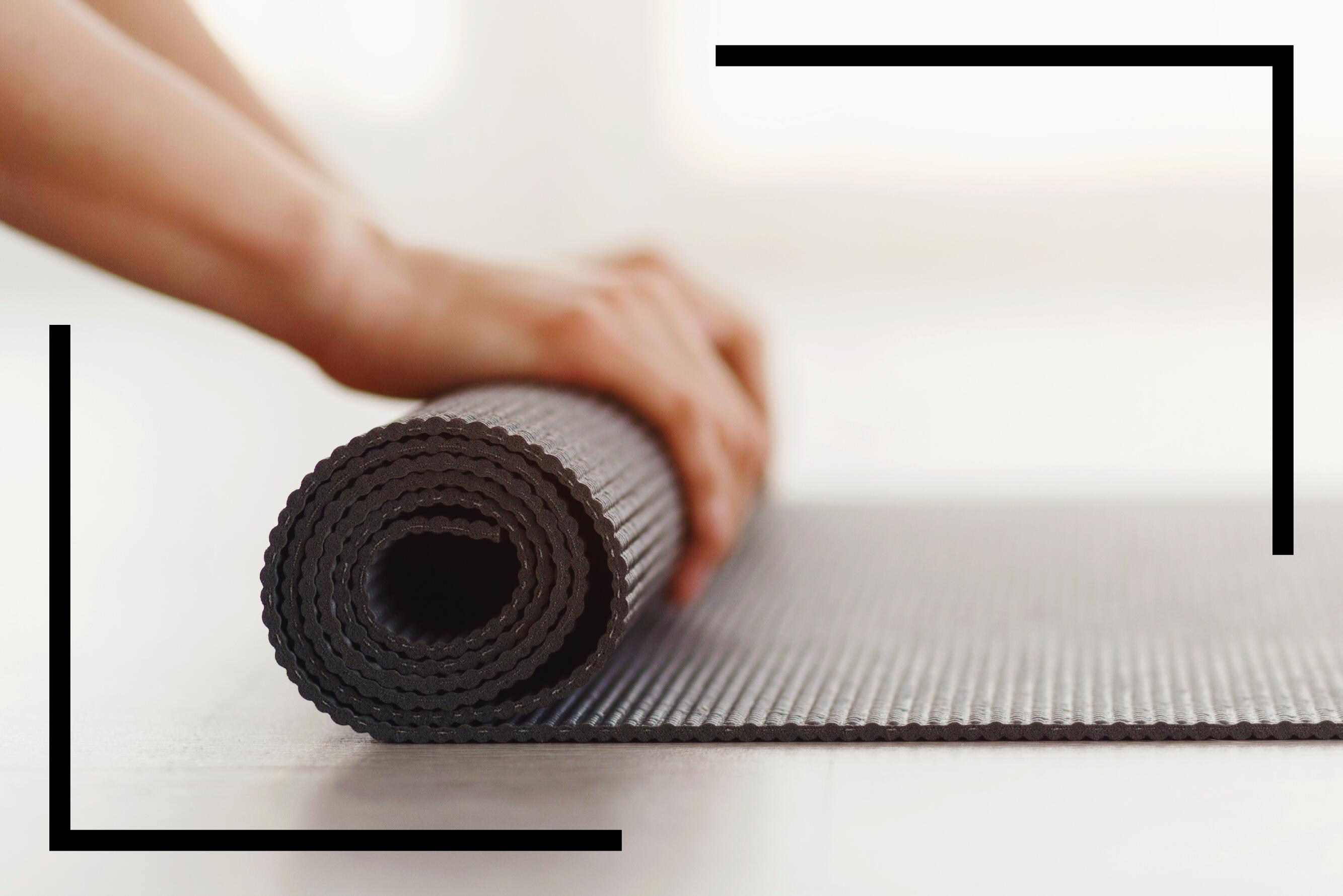
A yoga mat takes a lot of use. Sweat, skin oils and general grime build up with every session and if a mat isn't cleaned regularly it can start to smell, lose its grip and become a breeding ground for bacteria. Most people know their mat needs cleaning but aren't entirely sure how to do it properly without damaging the material. This guide covers everything from quick post-session wipe downs to deeper cleans, what to avoid and how to know when a mat has reached the end of its life. If you're setting up your practice space for the first time, our guide on 5 home gym essentials for beginners is worth a read alongside this one.
In This Article
Why Cleaning Your Yoga Mat Regularly Matters
Every time you use a yoga mat, you're transferring sweat, skin cells and natural oils onto its surface. In warm environments or during more intense sessions, that build-up happens quickly. Left uncleaned, the surface becomes sticky in the wrong way, grip deteriorates and the mat can develop an unpleasant smell that no amount of airing out will fully resolve.
There's also a hygiene angle worth taking seriously. A damp, rarely cleaned mat is a welcoming environment for bacteria, which isn't something you want to be pressing your face, hands and feet into during a session. Regular cleaning keeps the mat hygienic, extends its lifespan and maintains the grip and surface quality that make it comfortable and safe to practise on.
How Often Should You Clean a Yoga Mat?
A quick wipe down after every single session is the baseline. Sweat and oils don't need long to start degrading the surface of a mat, so removing them promptly after each use makes a significant difference to how the mat holds up over time.
Did You Know?
If your mat is starting to smell despite regular wipe downs, that's a clear sign a thorough deep clean is overdue. The more consistently you clean it after every session, the less work each individual deep clean requires and the longer the mat stays in good condition.
A deeper clean should happen at least once a month for someone practising a few times a week, or more frequently if sessions are particularly intense or if the mat is used in a shared space.
What Do You Need to Clean a Yoga Mat?
The good news is that cleaning a yoga mat doesn't require any specialist products. In most cases, a simple solution of warm water and a small amount of mild liquid soap is all that's needed for both the quick wipe and the deeper clean.
For the quick post-session wipe, a small spray bottle filled with diluted mild soap and water is the most convenient approach. A soft cloth or microfibre towel works well for applying the solution and wiping the surface clean. The key is keeping the products gentle. Yoga mats, whether made from TPE, PVC or PE, don't respond well to harsh chemicals, strong bleach or abrasive materials.
How to Clean a Yoga Mat Step by Step
The cleaning process itself is straightforward, but doing it properly makes a noticeable difference to the results. Here's what each type of clean involves:
| Clean Type | When to Do It | How to Do It |
|---|---|---|
| Quick Wipe | After every session | Spray lightly with diluted mild soap and water. Wipe down both sides with a soft cloth. Air dry fully before rolling. |
| Deep Clean | Once a month, or when smell persists | Apply cleaning solution generously, work in with a soft cloth, leave for a minute, wipe away, rinse with clean water, lay flat to dry. |
▶ Pro Tip
Always let your mat dry completely before rolling it up. Storing a damp mat rolled up is one of the most common causes of unpleasant smells and surface degradation. Even a few minutes of air drying flat makes a significant difference to how the mat holds up over time.
What Should You Avoid When Cleaning a Yoga Mat?
Knowing what not to do is just as important as knowing what to do and a few common mistakes can significantly shorten the life of a yoga mat.
Body Sculpture
"Knowing what not to do is just as important as knowing what to do when it comes to keeping your yoga mat in great condition."
Harsh cleaning products such as strong detergents, bleach and alcohol-based cleaners might seem like an effective way to disinfect a mat, but they break down the material over time, causing it to become brittle, lose its grip or start to flake. Sticking to mild, gentle soap and water gives the best results across all mat types without risking damage to the surface.
Machine washing is not recommended for most yoga mats. The agitation and heat of a wash cycle can warp the shape of the mat, break down the foam or rubber structure and cause the surface to peel or crack. Some mats may state they're machine washable, so it's always worth checking the care instructions for your specific mat first. Body Sculpture's TPE 6mm Yoga Mat has a suede surface that responds well to gentle spot cleaning rather than full immersion, which keeps the texture in much better condition over time.
Drying in direct sunlight might seem like a quick solution but leaving a mat in direct sunlight for extended periods causes the material to degrade faster. UV exposure breaks down the surface of most mat materials over time. Air drying flat in a well-ventilated space away from direct heat is the better approach and keeps the mat in noticeably better condition over its lifetime.
Does Yoga Mat Material Affect How You Should Clean It?
For most yoga mats, the same basic approach applies regardless of what they're made from. Mild soap, warm water and a soft cloth works well across TPE, PVC and PE mats, so you don't need a different routine for each material type. The one distinction worth knowing about is mats with a suede surface layer.
Suede absorbs moisture more readily than a smooth finish, so for mats like Body Sculpture's TPE 6mm Yoga Mat, it's better to use a lightly damp cloth rather than applying liquid directly to the surface. This preserves the texture and feel for longer. For smooth-surfaced mats like the Instructional Yoga Mat or the Exercise Mat, wiping them down after a session takes very little time at all and full application of the cleaning solution is fine.
How to Store a Yoga Mat Properly After Cleaning
How a mat is stored between sessions has a direct effect on how long it lasts and how well it performs. Rolling the mat loosely rather than tightly helps it maintain its shape and prevents creasing. Always make sure the mat is completely dry before rolling it up, as moisture trapped inside a rolled mat accelerates the growth of bacteria and leads to a persistent damp smell that's difficult to get rid of once it sets in.
Storing the mat in a cool, dry place away from direct sunlight and heat sources keeps the material in good condition between sessions. A yoga mat bag is useful for keeping the mat clean during transport and protecting the surface from dust and debris. The yoga and pilates range at Body Sculpture covers a variety of accessories worth considering alongside your mat to complete your practice setup.
When Should You Replace a Yoga Mat?
Even with consistent care and good cleaning habits, every yoga mat has a lifespan. The most obvious sign it's time for a replacement is a loss of grip. If the surface has become slippery regardless of how clean it is, the material has degraded to the point where cleaning won't restore it. Other signs to look out for include:
- Flaking or peeling on the surface, particularly in areas of heavy use
- Visible thinning or compression in spots where hands and feet regularly land
- A mat that no longer lies flat and curls at the edges during use
- A persistent smell that doesn't shift even after a thorough clean
When any of these start showing up regularly, it's a good sign the mat has run its course and a replacement will serve you better than continuing to work with something that's past its best.
Keeping a yoga mat clean doesn't take much time or effort, but it makes a real difference to hygiene, grip and how long the mat lasts. A quick wipe after every session, a deeper clean once a month and proper drying and storage are the main habits worth building.
Key Takeaways
- Wipe your mat down with diluted mild soap and water after every single session
- Deep clean at least once a month, or whenever a smell persists despite regular wipe downs
- Always let the mat air dry completely before rolling it up for storage
- Avoid harsh chemicals, machine washing and drying in direct sunlight
- Suede-surface mats need a lightly damp cloth rather than direct liquid application
Frequently Asked Questions
Can I use vinegar to clean a yoga mat?
Diluted white vinegar is sometimes recommended as a natural cleaning solution and it can be effective at neutralising odours. However, it can degrade some mat materials over time, particularly rubber-based surfaces, so it's worth checking your mat's care instructions before using it. For most mats, mild soap and water is the safer and equally effective option.
How do I get rid of a bad smell from my yoga mat?
A deep clean with mild soap and water followed by thorough air drying is the first step. Sprinkling a small amount of bicarbonate of soda on the surface, leaving it for a few hours and then wiping it away can help with persistent odours. If the smell returns quickly even after a thorough clean, the mat may have reached the point where replacement is the better option.
Can I use antibacterial spray on my yoga mat?
Most antibacterial sprays contain alcohol or strong chemicals that can break down the surface of a yoga mat over time. Unless the spray is specifically formulated for yoga mats, mild soap and warm water will clean and sanitise the surface effectively without risking damage to the material.
How long does a yoga mat take to dry after cleaning?
This depends on the cleaning method and environment, but most mats dry within 30 to 60 minutes when laid flat in a well-ventilated space. Thicker mats or those cleaned more thoroughly may take longer. Never roll up a mat until it feels completely dry to the touch on both sides.
How long should a yoga mat last?
With regular cleaning and proper storage, a good quality yoga mat should last several years. The lifespan depends on how frequently it's used and how well it's maintained. Signs that a mat needs replacing include loss of grip, surface flaking, persistent smell after cleaning and edges that curl during use.
Found this helpful? Share it with someone who has been wondering how to properly look after their mat.
Explore Our Yoga and Pilates Range
Browse the full Body Sculpture yoga and pilates range, including mats, accessories and equipment designed to support your practice at home. With over 50 years of expertise, we are here to help you find the right fit.
Shop Yoga and Pilates50+ Years Expertise Designing equipment since 1975 | ★★★★★ Trustpilot Rated Excellent by our customers | FREE UK Delivery On all qualifying orders | 24/7 Expert Advice Our team is happy to help |