Most people assume a home gym needs a dedicated room, a large garage or more space than they have. It doesn't. A practical, effective home gym setup is possible in considerably less space than you might think, as long as the equipment is chosen to fit the space rather than the other way around.
In This Article
What Is the Minimum Space for a Home Gym?
The short answer is two metres by two metres, which is four square metres of clear, usable floor space. That's enough for bodyweight training, resistance work, yoga, Pilates and a range of compact home gym exercises without any large equipment at all. Add a folding cardio machine and you can store it away when not in use, keeping that same four square metres available for the rest of the day.
Did You Know?
A standard yoga mat takes up around 1.8m by 0.6m, which is essentially the footprint of the person using it. A mat, a set of resistance bands and a pair of dumbbells give you a complete full-body workout in that same space. For many people that's all they ever need to get started.
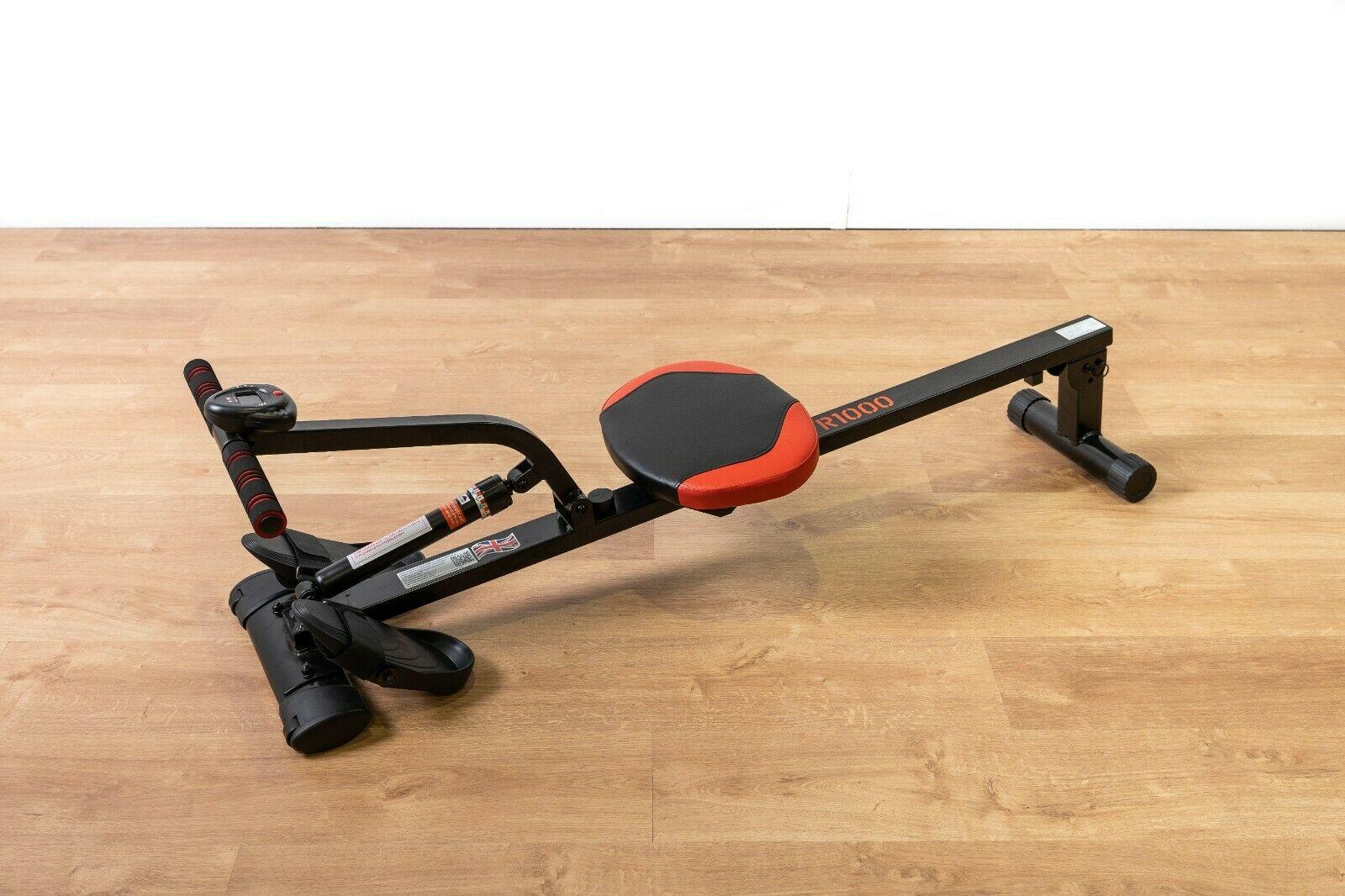
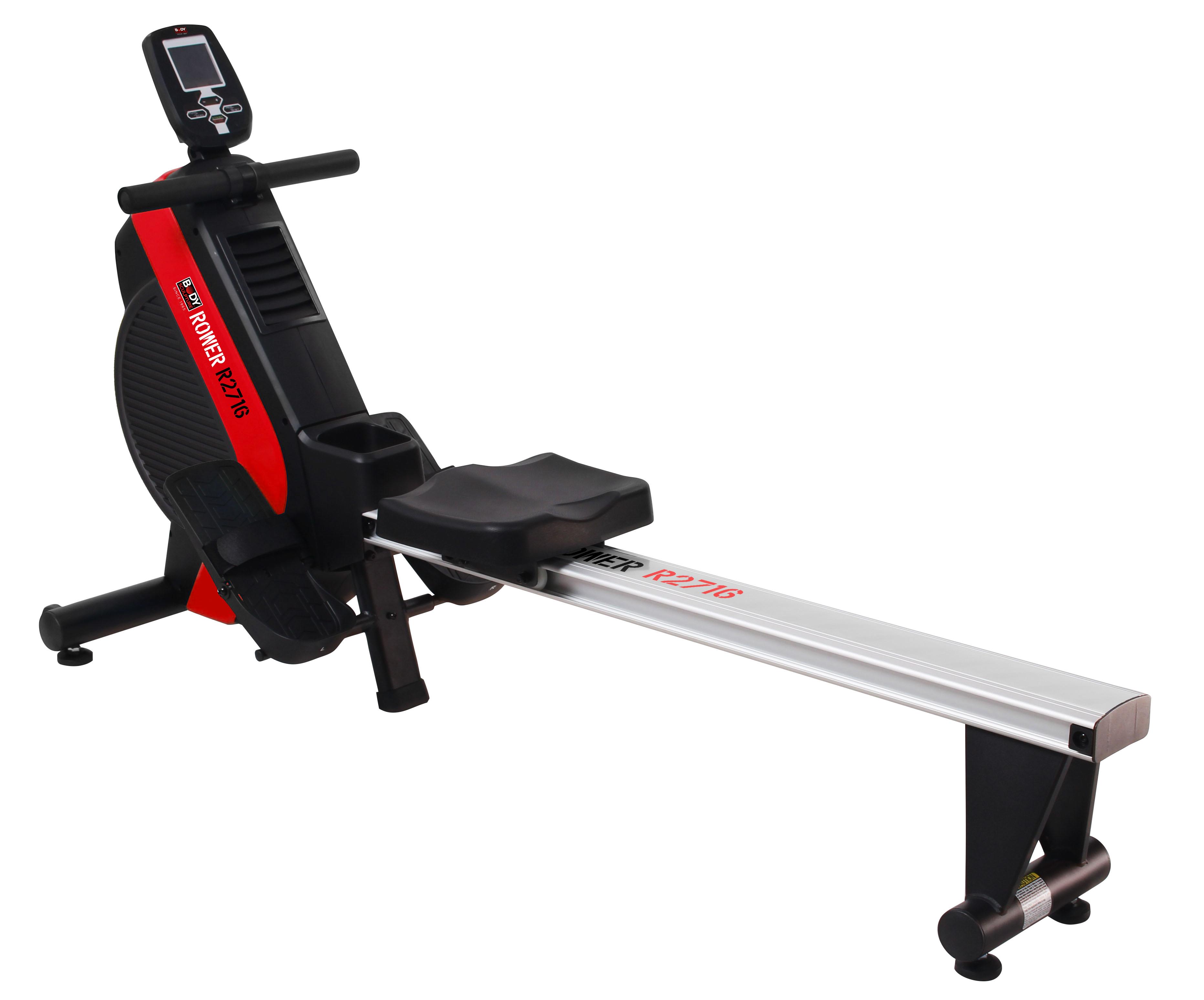
The longer answer is that it depends entirely on what you want to do. For cardiovascular fitness, a small setup with a folding exercise bike or rowing machine is achievable in a modest corner of a room. If you want a full strength setup with weights, a bench and cardio, you'll need more space but still not necessarily a dedicated room. Most people are surprised by how little floor area an effective setup requires when the equipment is chosen well.
How to Measure Your Space Before You Buy
Before looking at equipment, measure the space you're working with. Note down the length, width and ceiling height of the area, anything that limits usable floor area such as the swing of a door, a radiator or plug sockets, any sloped sections if you're setting up in a loft or attic, and ceiling clearance for exercises like jump rope, overhead press or simply standing on taller machines.
Once you have the measurements, sketch a rough floor plan and work out what goes where before you spend anything. Buying equipment that doesn't fit, or that fits on paper but leaves no usable space around it, is among the most common and costly mistakes new home gym buyers make.
How Much Space Does Home Gym Equipment Take Up?
Different equipment has very different footprints and knowing those before you buy saves a lot of frustration later. Here's how the most common pieces compare in terms of the space they need in use and in storage:
| Equipment | In Use | Folded / Stored | Best For |
|---|---|---|---|
| Treadmill | ~1m x 3m (including 1m clearance behind) | ~0.6m x 1m upright (folding models) | Running, incline walking, calorie burn |
| Exercise Bike | ~0.5m x 1m | Very compact (folding models fit beside furniture) | Low-impact cardio, HIIT, joint-friendly training |
| Rowing Machine | ~0.5m x 2m | ~0.5m x 0.5m upright (folding models) | Full-body cardio and strength, low impact |
| Cross Trainer | ~0.65m x 1.5m plus arc clearance | Fixed footprint. Better suited to larger rooms | Full-body low-impact cardio, all fitness levels |
| Dumbbells and Kettlebells | Working area is your standing footprint only | Rack or shelf. Minimal permanent space required | Strength, toning, progressive overload |
| Resistance Bands | Working area only. No equipment footprint | In a bag or on a door hook | Strength, mobility, rehab, warm-up activation |
| Yoga and Pilates Mat | ~1.8m x 0.6m | Rolls up flat. No permanent space needed | Stretching, low-impact training, floor work |
Why Folding Gym Equipment Is Worth Considering
The difference between folding and non-folding equipment matters more than almost any other specification for anyone working with a limited footprint. A non-folding treadmill permanently occupies its two square metres whether in use or not. A folding treadmill or exercise bike takes up a fraction of that when stored, freeing the room to serve another purpose the rest of the time.
Body Sculpture
"Getting a home gym right is less about square footage and more about matching equipment to the space you have. A few well-chosen pieces will always outperform a crowded room full of equipment that's hard to use."
This is the main reason folding cardio equipment makes sense in a shared room, a spare bedroom that also works as an office or a living room that needs to stay usable. The folding models in the Body Sculpture range deliver the same workout as a fixed machine without the permanent spatial commitment. Our guide on whether folding exercise bikes are worth it looks at this in more detail.
Home Gym Ideas for Different Room Sizes
The right setup depends significantly on the type of space you're working with. Here's a practical guide to what works where:
| Space Type | Approximate Size | Best Setup |
|---|---|---|
| Flat or apartment | 4 sq m or less | Mat, resistance bands, adjustable dumbbells, folding bike stored away after use |
| Living room corner | ~4 sq m | Folding rowing machine or bike, mat-based strength and resistance work |
| Spare bedroom | 10 to 12 sq m | Compact cardio machine, mat, dumbbells or kettlebells, weight bench along one wall |
| Garage | 15 sq m or more | Full cardio and strength setup. Consider cross trainer, full-size rower or treadmill alongside weights |
▶ Pro Tip
In any room, keep the central floor area clear and position equipment against the walls. Placing the cardio machine against one wall and the strength kit against another gives a surprisingly functional setup in even a standard-sized bedroom, while leaving the centre free for mat work and movement exercises.
What You Don't Need for a Home Gym
A home gym setup doesn't require a dedicated room, rubber flooring throughout, or full-size commercial equipment. Home fitness equipment is designed to deliver the same workouts in a smaller, lighter format and the results are no different for it. A corner of a spare bedroom, a cleared section of a living room or a garage all work perfectly well. A mat alone is enough to start building a consistent training habit.
You also don't need everything at once. Starting with a mat and some resistance equipment and adding pieces as your training develops is how most effective home gyms get built and it's also how you avoid spending money on equipment that ends up unused. The priority is getting started with what fits the space now, not waiting until the setup feels complete. Our post on why compact equipment is better for home workouts covers this thinking in more detail.
How to Build a Home Gym on a Budget Gradually
The most space-efficient starting point is equipment with the smallest footprint and the broadest use. A mat, a set of dumbbells and some resistance bands give you a full-body strength and conditioning session in the space of a single yoga mat. From there, a folding cardio machine is the natural next addition, bringing cardiovascular training into the setup without permanently claiming floor space. A fitness bench then opens up a wider range of strength work, including pressing, rowing and step movements, that a flat floor alone doesn't allow.
Building this way also means each piece earns its place before the next one arrives. You'll know within a few weeks whether a resistance-based setup meets your needs or whether you want a cardio machine alongside it, and that knowledge is worth more than any equipment list. Our guide to 5 home gym essentials for beginners is a practical shortlist for anyone working out where to start, and for anyone keeping a close eye on budget, what to look for when buying home workout equipment on a budget covers how to get value from every purchase.
The people who get the most out of a home setup tend to be the ones who started small, planned before they spent and added equipment gradually rather than all at once. A few well-chosen, foldable pieces in a modest space will always outperform a crowded room full of equipment that's hard to use.
Key Takeaways
- Two metres by two metres is enough space to start an effective home gym with resistance and mat-based training
- Measure ceiling height and door swing, not just floor area, before buying anything
- Folding cardio equipment gives you the same workout as fixed machines while freeing the room the rest of the time
- Resistance bands and dumbbells have the best workout-to-footprint ratio of any home gym equipment
- Start small with the lowest-footprint options and add larger equipment only once you've established what you need
Frequently Asked Questions
Can I set up a home gym in a small flat?
Yes, absolutely. A folding exercise bike, a set of resistance bands, a yoga mat and a pair of adjustable dumbbells give you a genuinely varied workout in minimal space with no permanent floor commitment. The priorities in a flat are equipment that stores compactly and creates no noise or impact issues for neighbours. Most mat-based, cycling and resistance training fits this without any compromise on the quality of the workout.
Do I need rubber gym flooring?
Not to get started. Rubber flooring helps protect floors under heavy weights and reduces noise, so it's worth adding if you're using heavier free weights or doing high-impact training. For mat work, cycling, rowing or resistance band training, your existing floor and a good exercise mat are perfectly sufficient. Most Body Sculpture home gym equipment is designed for use on standard domestic flooring.
What is the smallest piece of effective cardio equipment?
A fitness stepper is one of the smallest cardio options available, followed closely by a folding exercise bike. Both deliver effective cardiovascular sessions in a very small footprint. A mini rebounder trampoline also deserves a mention as one of the most compact full cardio options, particularly for anyone who finds cycling or stepping uncomfortable. Our guide on what a rebounder trampoline does for your body explains what's possible with one.
How much ceiling height do I need for a home gym?
At least 2.4 metres for most exercises. This covers standing overhead press, using a skipping rope and most bodyweight movements comfortably. If you're taller than average, add a few extra centimetres to that figure. Sloped ceilings in loft conversions or attic spaces can limit overhead work significantly, so it's worth measuring and planning before buying any equipment that's used standing upright.
What should I buy first for a small home gym?
A yoga mat and a set of resistance bands. Between them they cover bodyweight training, stretching, warm-up and cool-down work and a substantial range of strength and toning exercises in the space of a single mat. They're also inexpensive, so you can start using them within days of deciding to train at home. A pair of dumbbells is the natural next addition. Our guide on 5 home gym essentials for beginners covers the full recommended starting sequence.
Found this helpful? Share it with someone who has been putting off setting up a home gym because they think they don't have enough space.
Find Compact Equipment That Fits Your Space
Browse the full Body Sculpture range of compact and foldable home gym equipment across cardio, strength and resistance. Whatever space you have, we can help you make it work.
Shop the Full Range50+ Years Expertise Designing equipment since 1975 | ★★★★★ Trustpilot Rated Excellent by our customers | FREE UK Delivery On all qualifying orders | 24/7 Expert Advice Our team is always happy to help |