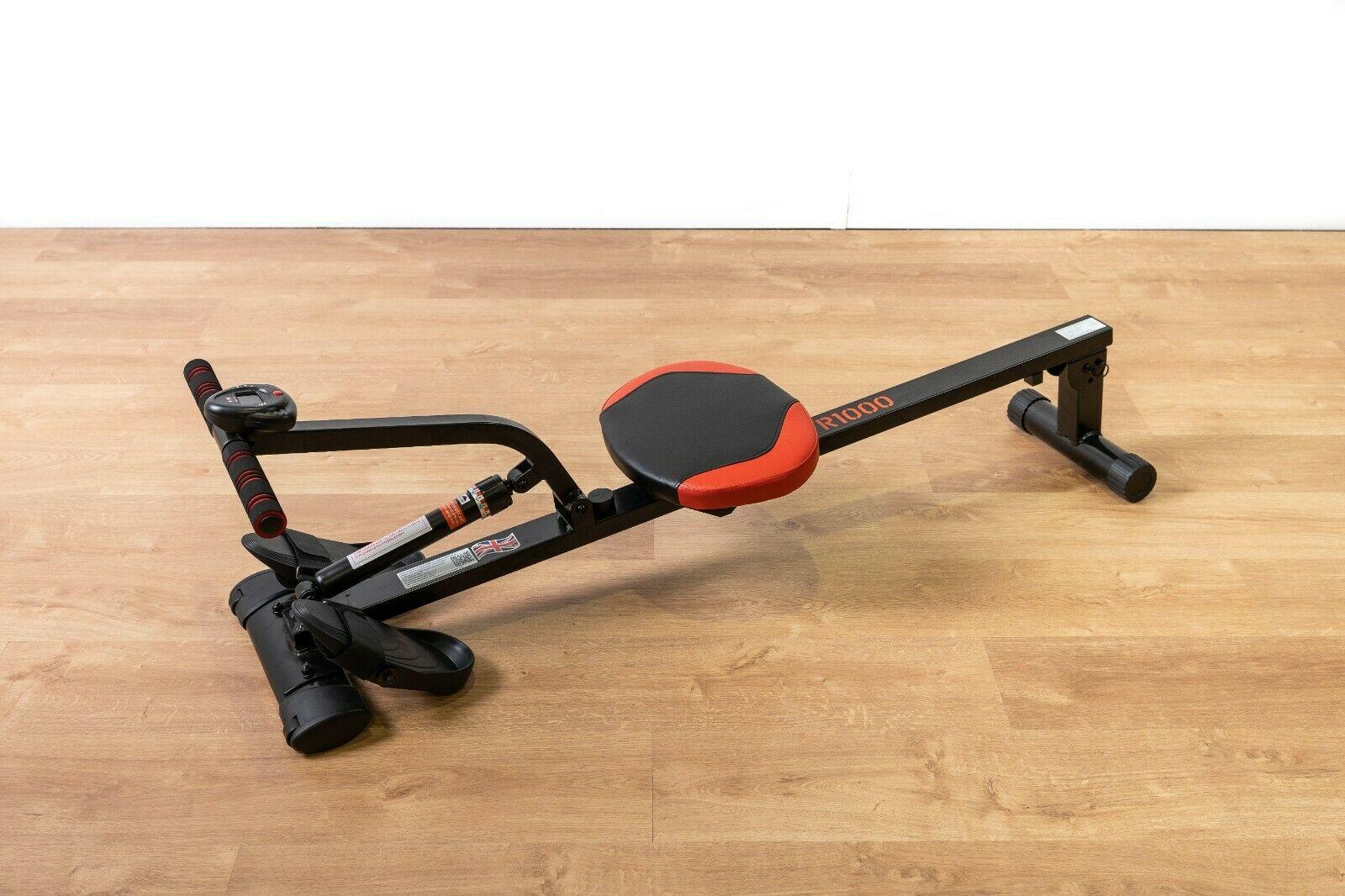
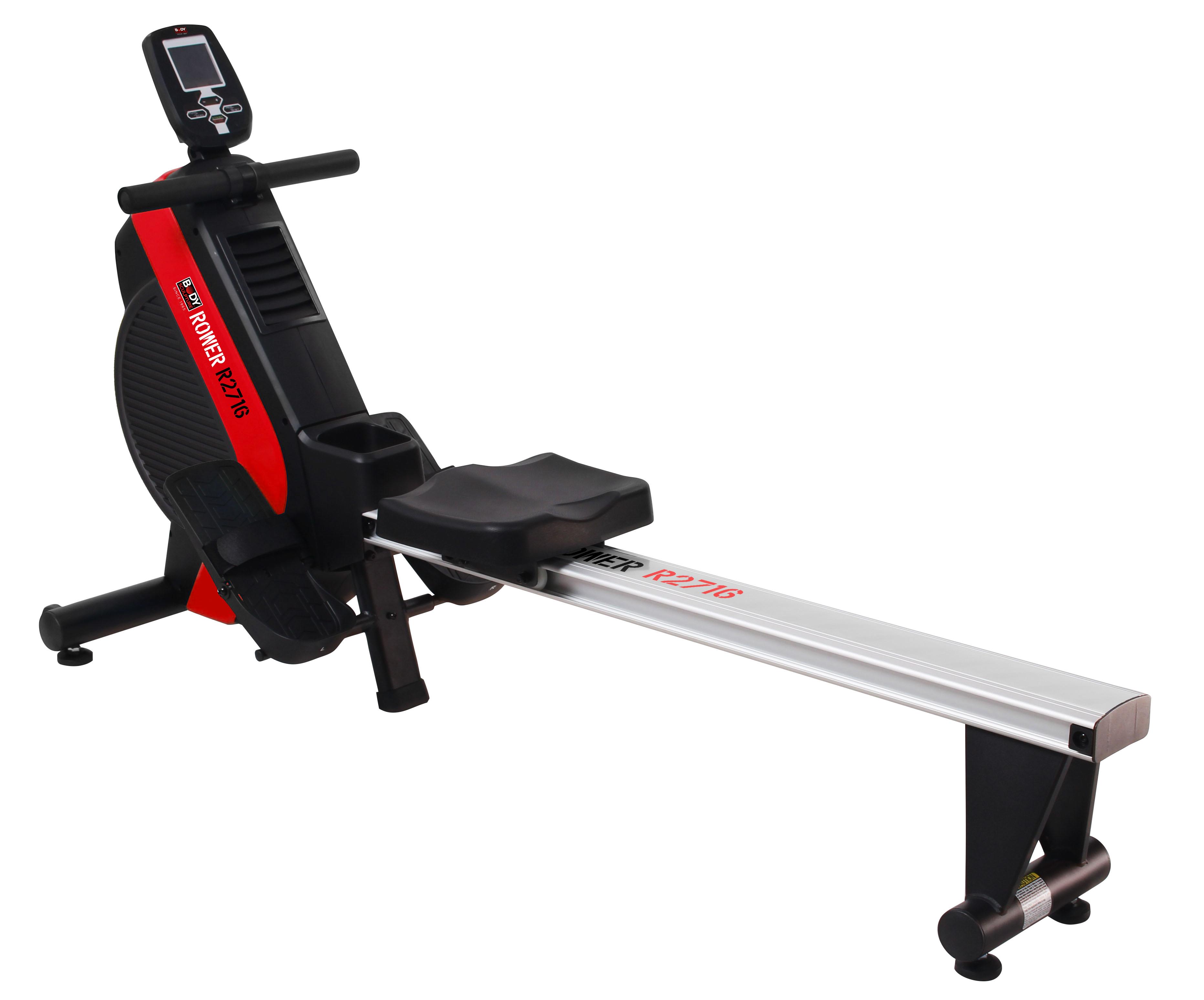
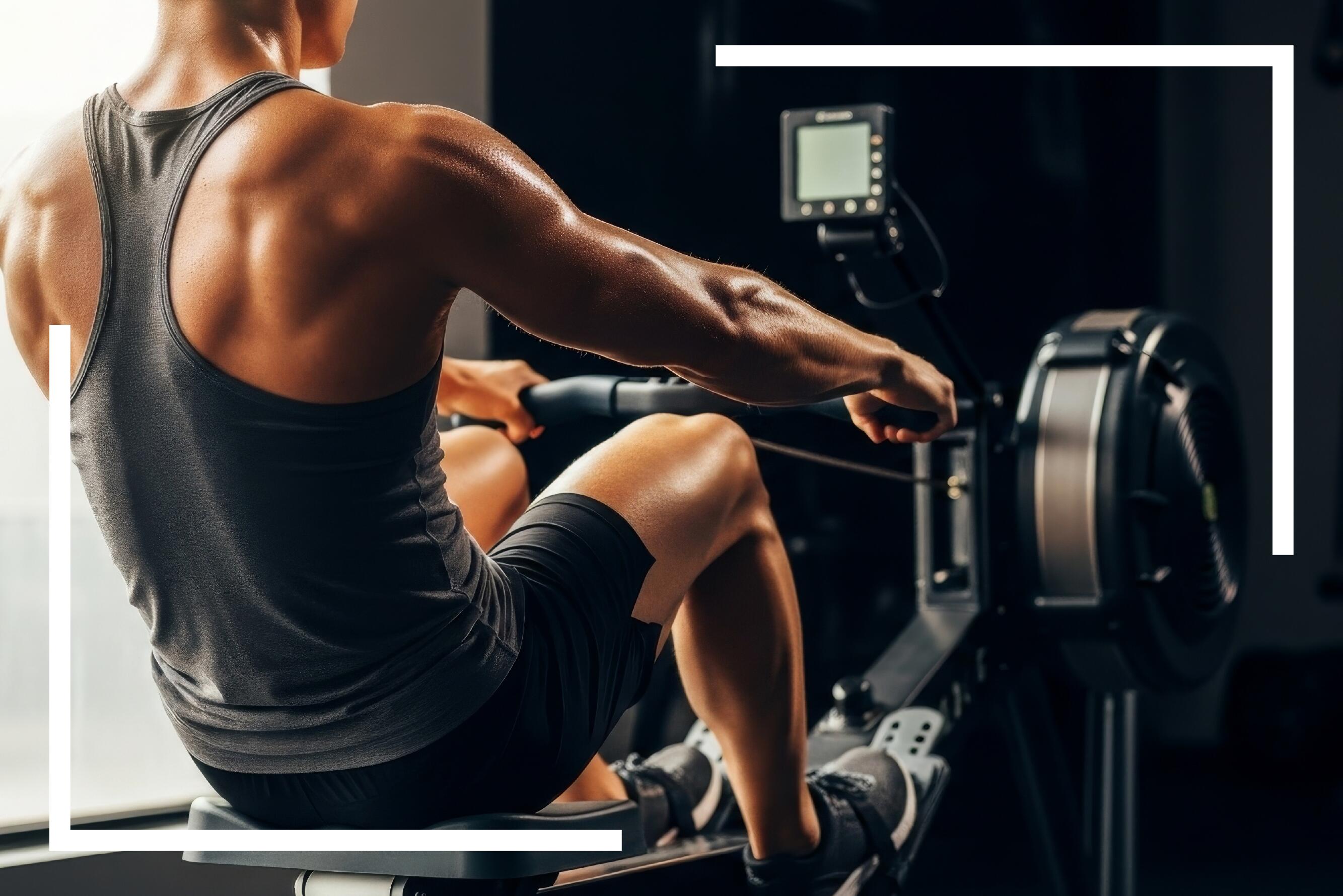
Rowing machines are one of the most versatile and efficient pieces of fitness equipment you can use at home. While often associated with athletes and gym training, rowing is accessible for all levels, offering full-body conditioning, cardiovascular benefits and surprisingly low impact on your joints.
Whether you're short on time, space, or just looking for a smarter way to train, a rowing machine is a powerful investment in your long-term fitness. Here are seven key benefits that make it one of the most effective tools in any home workout routine.
In This Article
Benefit 1: Full-Body Muscle Engagement
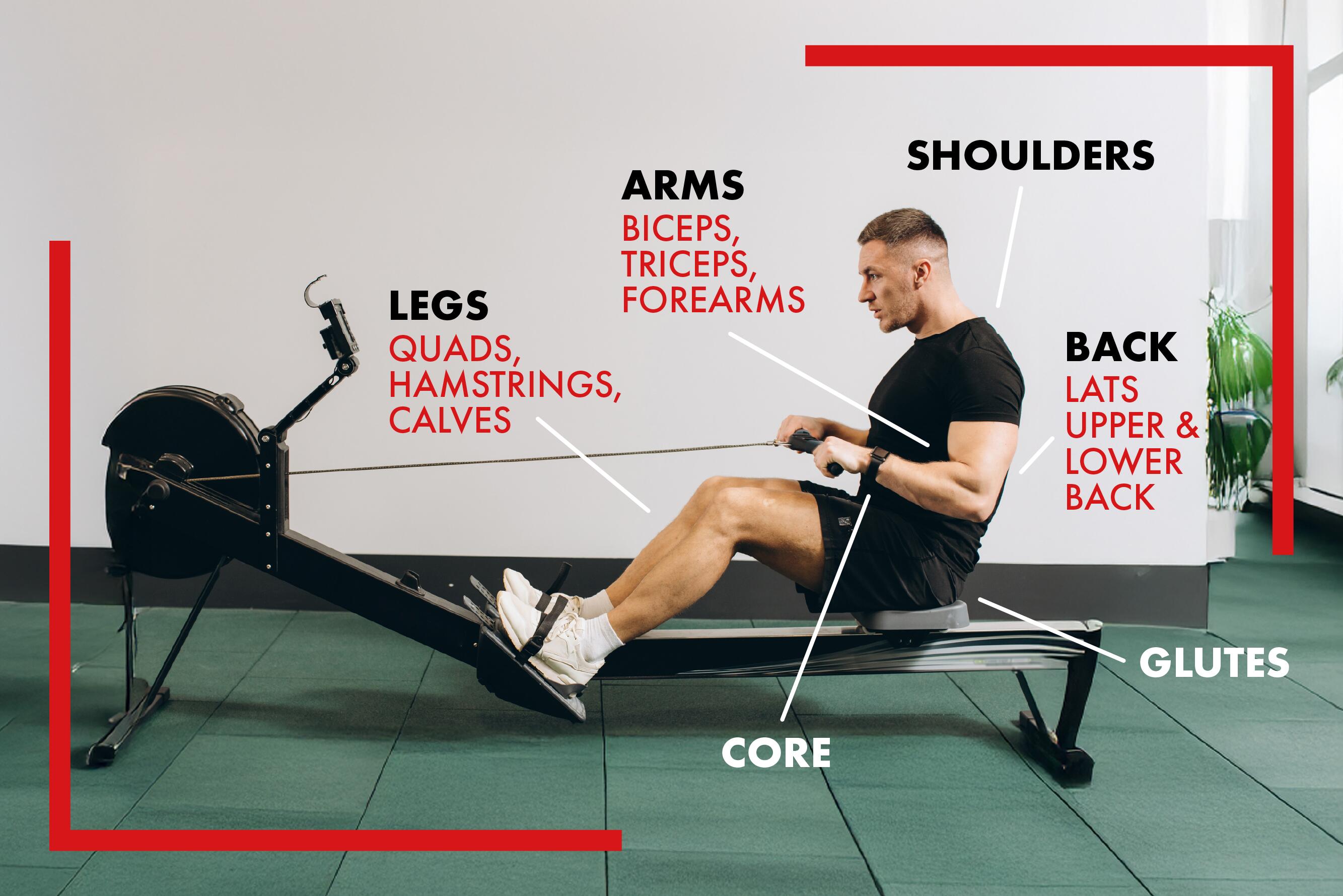
One of the biggest advantages of rowing is that it engages over 80% of your body's muscles in every stroke, far more than many other cardio machines. The legs and glutes drive the stroke, the core and lower back stabilise the body throughout, and the upper back, shoulders and arms complete the pull.
Did You Know?
A single rowing stroke engages over 80% of the body's muscles, delivering both cardiovascular and strength benefits in one smooth, flowing motion. No other common home cardio machine comes close to that level of full-body involvement.
This combination of lower body power, core stability and upper body pulling in one movement is what makes rowing such a time-efficient workout. You're training your whole body every single stroke, rather than isolating one area at a time.
Benefit 2: High Calorie Burn in Less Time
Rowing is one of the most efficient calorie-burning workouts available. Depending on intensity and your body weight, you can expect to burn between 600 and 1,000 calories per hour. If you're weighing up a rowing machine against a treadmill or bike, our guide on which cardio equipment burns the most calories lays the numbers side by side. Since it involves multiple major muscle groups working simultaneously, it boosts your metabolic rate and creates a stronger afterburn effect compared to single-joint cardio like cycling or walking.
Body Sculpture
"Rowing delivers one of the most comprehensive workouts available, blending cardio, strength, mobility and low-impact movement into one smooth exercise."
Benefit 3: Low-Impact, Joint-Friendly Movement
Rowing provides an intense workout without the stress on your joints that comes from running or jumping. Because the movement is smooth and controlled, it's a great option for people recovering from injury, older adults and anyone seeking long-term joint health. It's also a smart cross-training choice for runners or cyclists needing an active recovery day where they want to maintain cardiovascular effort without adding joint load.
▶ Pro Tip
If you're using rowing as cross-training alongside running, keep the resistance low and focus on steady-state effort rather than high-intensity work. This gives your legs active recovery while your cardiovascular system keeps working, which is exactly what a recovery day should do.
Benefit 4: Improved Cardiovascular Endurance
Rowing keeps your heart rate elevated for sustained periods, making it highly effective for cardiovascular conditioning. With regular use, rowing can help strengthen your heart and lungs, increase VO2 max (your body's ability to use oxygen) and improve circulation and stamina throughout the body.
It's an excellent way to build aerobic capacity, especially if you're short on time and want maximum return from your workout. The sustained effort required to maintain a consistent stroke rate is what drives these cardiovascular adaptations over weeks and months of regular use.
Benefit 5: Enhanced Posture and Core Stability
Rowing helps develop core stability and spinal alignment, two elements that contribute to better posture in daily life. The rowing stroke encourages a tall, upright torso, controlled engagement of the abdominals and lower back, and awareness of shoulder positioning and hip movement throughout each rep.
When done with proper technique, rowing reinforces good movement habits that carry over into both workouts and everyday tasks. People who sit at a desk for long periods often find that regular rowing helps counteract the forward rounding that develops from prolonged sitting. Our guide on how a rowing machine works and whether it's good for beginners covers technique in more detail, including the four phases of the stroke that make all of this possible.
Benefit 6: Time-Efficient and Effective for Busy Schedules
A rowing machine offers a powerful blend of cardio and resistance training in a single workout, meaning you don't need separate sessions for each. According to Rowing Related, even with just 20 minutes available, you can complete a comprehensive full-body workout that balances strength and endurance training.
It's especially useful for people managing busy schedules or looking to get the most out of shorter home sessions. The combination of full-body engagement and cardiovascular effort means every minute on a rowing machine delivers more than most other forms of exercise. If you've been looking at ways to make short workouts more effective, our post on the rise of short workouts and why they actually work explains the science behind this approach.
Benefit 7: Compact, Foldable and Ideal for Home Use
Unlike many cardio machines, rowing machines have a relatively small footprint and most home-use models are designed to fold or stand upright when not in use. That makes them one of the most practical full-body cardio options for home environments where space is limited.
Body Sculpture's range of home rowing machines covers options from compact hydraulic models through to foldable magnetic machines and combination rower and gym units, so there's a practical option regardless of how much space you're working with. Magnetic models run quietly, which matters more at home than in a gym setting, and foldable designs mean the machine is genuinely out of the way when you're not using it.
All 7 Benefits at a Glance
| # | Benefit | What It Means for You |
|---|---|---|
| 1 | Full-body muscle engagement | Over 80% of muscles worked in every stroke, legs through to arms |
| 2 | High calorie burn | 600 to 1,000 calories per hour with a strong afterburn effect |
| 3 | Low-impact movement | Intense workout with no joint stress, suitable for all ages and fitness levels |
| 4 | Cardiovascular endurance | Stronger heart and lungs, higher VO2 max, better stamina over time |
| 5 | Better posture and core stability | Reinforces good movement habits that carry over into daily life |
| 6 | Time-efficient training | Cardio and strength in one session, with results from as little as 20 minutes |
| 7 | Compact and home-friendly | Most models fold away when not in use, making them practical for any home |
Key Takeaways
- Rowing engages over 80% of the body's muscles in every single stroke
- It burns between 600 and 1,000 calories per hour with a strong afterburn effect
- Low-impact movement makes it suitable for all fitness levels, ages and recovery needs
- Just 20 minutes delivers a comprehensive full-body cardio and strength workout
- Most home rowing machines fold away, making them one of the most practical home gym options available
Frequently Asked Questions
Is rowing good for weight loss?
Yes. Rowing is one of the most effective exercises for weight loss because it combines high calorie burn with full-body muscle engagement. The afterburn effect means your body continues burning calories at an elevated rate after the session ends. Combined with a balanced diet and consistent training, regular rowing sessions deliver meaningful results over time.
How long should I row for as a beginner?
Starting with 10 to 15 minutes at a low to moderate resistance is a sensible approach for beginners. This allows you to focus on learning the correct stroke technique without fatigue affecting your form. Build up to 20 to 30 minutes once the movement feels controlled and comfortable. Our guide on how a rowing machine works and is it good for beginners covers this in more detail.
Can I use a rowing machine every day?
Light to moderate rowing can be done daily for most people. Higher-intensity sessions are better done three to four times per week with rest or lighter activity days in between to allow recovery. Varying the intensity across the week is the most sustainable long-term approach.
Is rowing better than running for fitness?
Both are effective but rowing has some clear advantages. It engages more muscle groups per session, has no joint impact and delivers both cardio and strength benefits in one workout. For people who experience knee, hip or ankle discomfort from running, rowing is often the better long-term option.
What rowing machine should I buy for home use?
The right machine depends on your budget, space and goals. Hydraulic models are compact and affordable, magnetic models are quieter and smoother, and combination fan and magnetic machines offer the most progressive challenge. Body Sculpture's full rowing machine range covers all three types with options at different price points.
Found this helpful? Share it with someone who has been thinking about adding a rowing machine to their home setup.
Find Your Perfect Rowing Machine
Browse the full Body Sculpture rowing machine range with options to suit all fitness levels, budgets and space requirements. With over 50 years of expertise, we are here to help you find the right fit.
Shop Rowing Machines50+ Years Expertise Designing equipment since 1975 | ★★★★★ Trustpilot Rated Excellent by our customers | FREE UK Delivery On all qualifying orders | 24/7 Expert Advice Our team is happy to help |