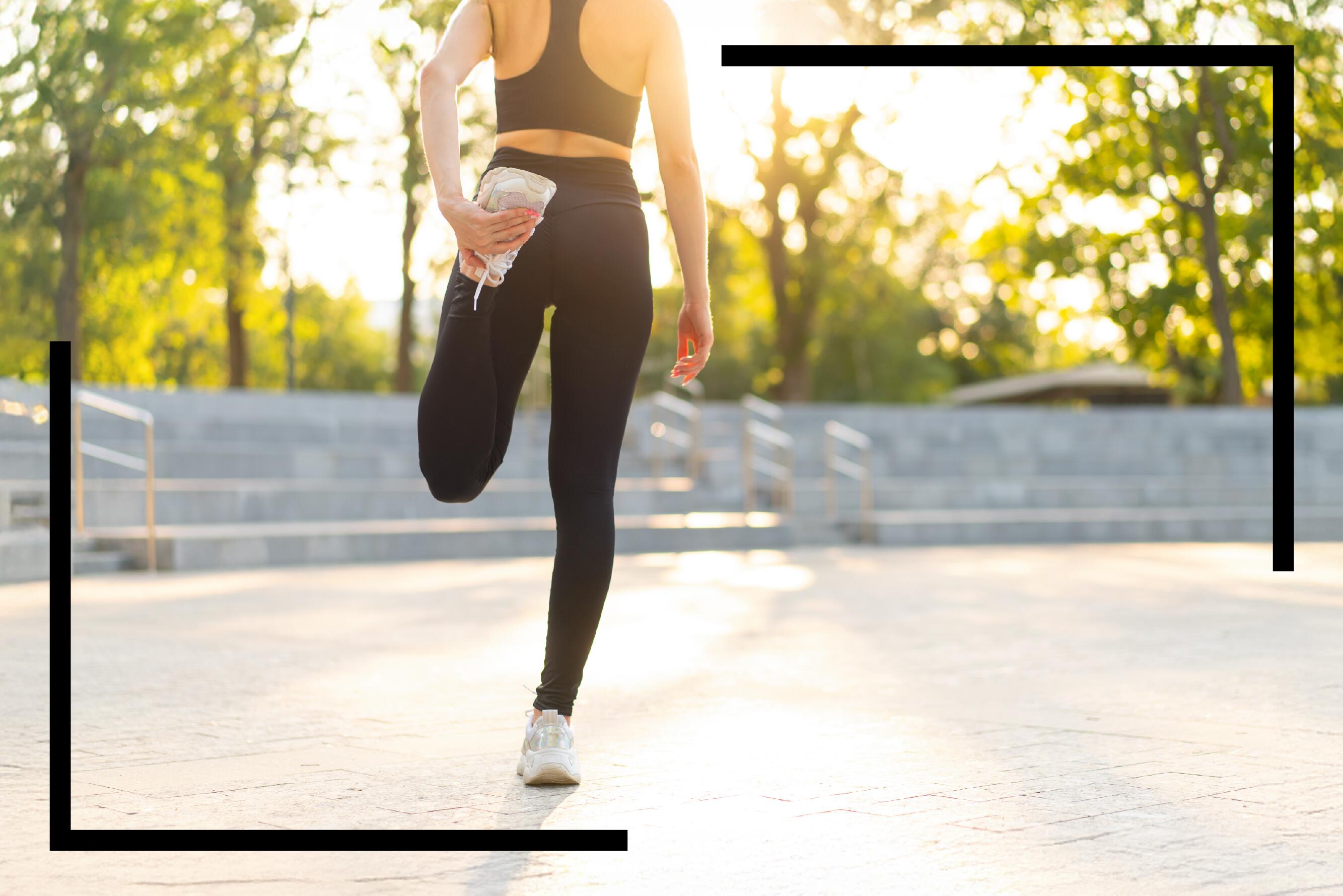
When you're working out at home, it's tempting to jump straight into your main routine or stop the moment you're done. However, taking just a few extra minutes to warm up before you start and cool down afterwards can make all the difference. These simple steps prepare your body for movement, reduce the risk of injury and help you recover more effectively.
In this guide we'll explore why warm-ups and cool-downs are so important, share easy routines you can follow and offer tips on how to keep your home workouts safe and sustainable. Whether you're doing strength training, yoga or a quick cardio session, these practices will help you get the most out of every workout.
In This Article
Why Warm-Ups and Cool-Downs Matter
Warming up and cooling down are often overlooked, especially during home workouts where you may feel short on time. Yet these short routines are essential for protecting your body and getting the most from every session.
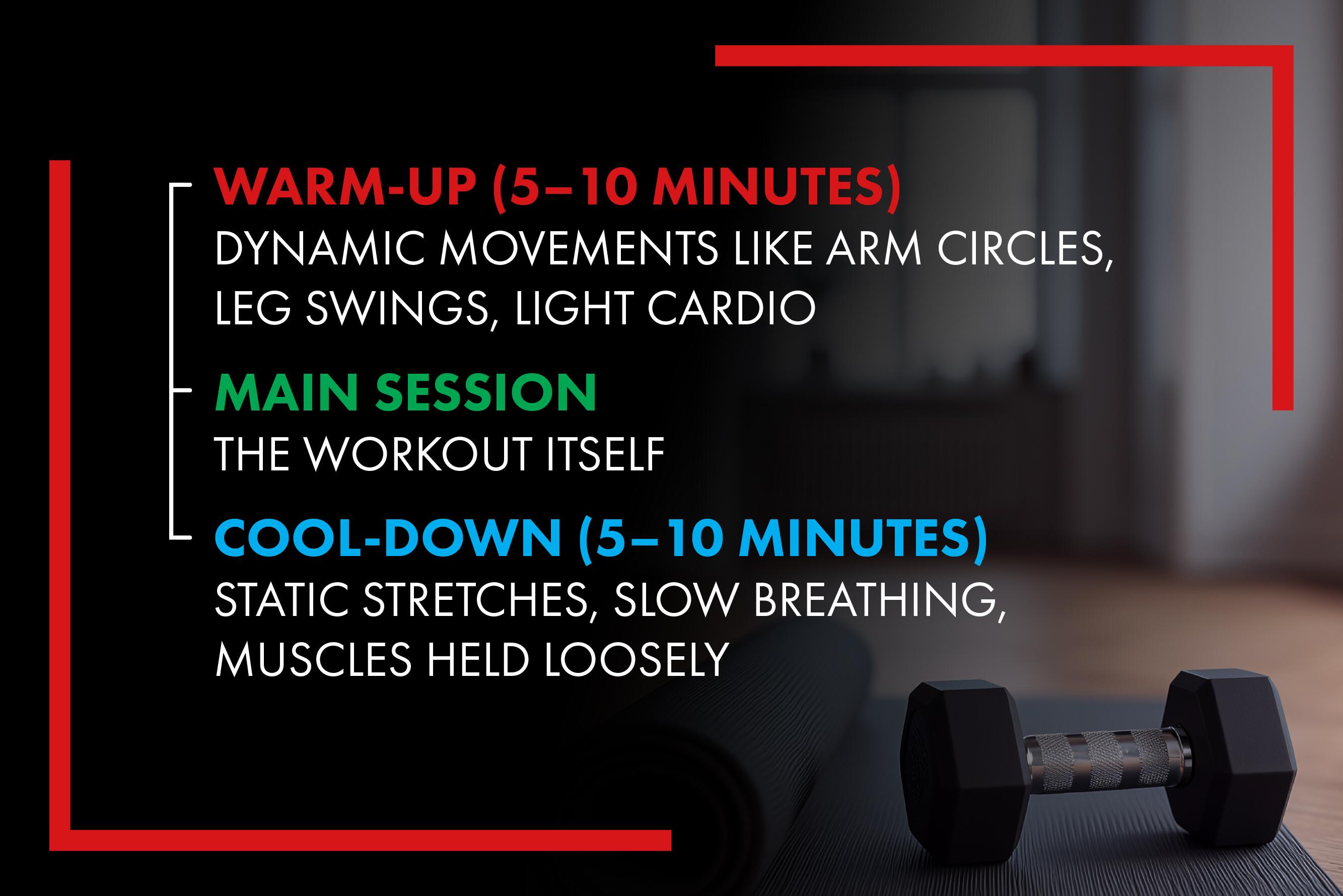
A warm-up gently raises your heart rate and increases blood flow to your muscles, improving flexibility and mobility. This prepares your body to handle more intense activity and reduces the risk of strains or sprains. Cooling down has a different role. After exercising, your heart rate and breathing remain elevated. Taking time to cool down helps your body return to its normal state gradually, prevents dizziness and eases muscle tension. It's also key for reducing post-workout soreness and improving recovery between sessions.
Did You Know?
Research consistently shows that a proper warm-up reduces injury risk by improving muscle temperature, joint lubrication and neuromuscular readiness before any kind of physical effort. Even five minutes makes a measurable difference to how your body responds to exercise.
The Risks of Skipping These Steps
Skipping warm-ups and cool-downs might save you a few minutes, but it can lead to long-term problems. Cold muscles are less flexible, making them more prone to injuries like pulled muscles or joint sprains. Sudden intense movement can also place unnecessary stress on ligaments and tendons that haven't had time to prepare for the load.
Body Sculpture
"Skipping the warm-up doesn't save time. It just shifts the risk of injury from near zero to significantly higher."
Without a proper cool-down, you may experience dizziness or stiffness after training. Over time, this can contribute to delayed onset muscle soreness (DOMS) or even persistent joint pain, limiting your ability to train consistently. Our guide on the do's and don'ts of injury prevention for home workouts covers the broader picture of how these habits protect you over the long term.
A Simple Warm-Up Routine
A good warm-up doesn't have to be complicated. Aim to spend at least five minutes moving gradually to prepare your body. These movements should feel light and comfortable. The goal is to activate muscles and improve mobility without causing fatigue before your main session.
| Step | Exercise | Duration | Why It Helps |
|---|---|---|---|
| 1 | March or jog on the spot | 2 minutes | Increases blood flow and raises body temperature |
| 2 | Arm circles and shoulder rolls | 30 seconds each | Loosens the upper body and shoulder joints |
| 3 | Hip rotations | 30 seconds | Prepares lower body joints and surrounding muscles |
| 4 | Bodyweight squats or lunges | 10 reps each | Engages the larger muscle groups before loading them |
| 5 | Dynamic stretches: high knees or torso twists | 30 to 60 seconds | Improves flexibility and warms up the core |
▶ Pro Tip
Use a light resistance band during your warm-up to activate the glutes and shoulders before strength work. Two minutes of banded clamshells or shoulder pull-aparts takes no time at all and dramatically improves how well those muscles fire during the main session. If you're easing back in after a strain or injury rather than just warming up, our guide on the best resistance band exercises for injury recovery at home covers gentler, more targeted movements.
Cooling Down for Recovery
Cooling down helps remove lactic acid from the muscles, easing tightness and preventing cramps or stiffness. Static stretches are best during this phase. Hold each stretch for 15 to 30 seconds and focus on slow, controlled breathing throughout.
| Stretch | Target Area | Why It Helps |
|---|---|---|
| Hamstring stretch | Back of the legs | Releases tension built up during lower body work |
| Quadriceps stretch | Front of the thighs | Supports recovery after squats, lunges or cycling |
| Spinal stretch | Back and spine | Improves spinal flexibility and reduces lower back tightness |
| Chest-opening stretch | Chest and shoulders | Counteracts forward rounding from sitting or pressing movements |
| Deep breathing | Full body | Calms the nervous system and accelerates the return to a resting state |
Creating a Safe Space for Home Workouts
You don't need a full home gym to work out effectively, but having a safe, organised area can make a big difference to your focus and results. Whenever possible, exercise on a supportive, non-slip surface such as a yoga mat or exercise mat. This not only helps with balance but also reduces stress on your joints during floor-based movements. If space is tight, even rolling out a mat in the living room or bedroom can create a designated workout zone.
Keeping the area tidy and distraction-free allows you to concentrate fully on your form, helping to prevent slips or unnecessary strain during your session. If you're prone to joint instability or recovering from a previous injury, consider wearing supports and braces for extra stability. Hydration matters too, so keep a water bottle nearby and minimise distractions during your session.
Staying Consistent With Your Routine
The hardest part of building a warm-up and cool-down habit is remembering to do it. Start by setting a reminder or scheduling an extra five to ten minutes at the beginning and end of your workouts. It can also help to follow the same routine each time so it feels like a natural part of your session rather than an extra task.
Tracking your progress, whether through a journal or simply noting how you feel, can keep you motivated as you begin to see the benefits. Over time, these routines will become second nature and you'll notice real improvements in your performance and recovery. If consistency is something you find difficult to maintain, our post on how to build a consistent routine when your schedule is unpredictable covers practical strategies that work alongside habits like this one.
Taking a few minutes to warm up and cool down can make a significant difference to your workouts and overall wellbeing. A proper warm-up prepares your body for movement, while a cool-down helps you recover and prevent soreness. By making these routines a regular part of your home workouts, you'll protect yourself from injuries and keep your progress on track.
Key Takeaways
- Five minutes of warm-up reduces injury risk by preparing muscles, joints and the cardiovascular system
- Cold muscles are significantly more prone to strains, sprains and overuse injuries
- A cool-down helps remove lactic acid, reduces DOMS and brings heart rate down safely
- Static stretches held for 15 to 30 seconds are most effective after a session, not before
- A non-slip mat, joint supports and good hydration all contribute to a safer home workout environment
Frequently Asked Questions
How long should a warm-up be before a home workout?
Five to ten minutes is sufficient for most home workouts. The goal is to gradually raise your heart rate, increase blood flow to the muscles you're about to use and move through the relevant joint ranges. Shorter sessions such as 10-minute workouts may only need two to three minutes of warm-up, while longer or more intense sessions benefit from a full five to ten minutes.
Should I stretch before or after exercise?
Both, but differently. Before exercise, dynamic stretching (moving stretches like high knees and torso twists) prepares the body without reducing muscle power. After exercise, static stretching (held positions like a hamstring stretch) is most effective for improving flexibility and supporting recovery. Holding static stretches before training can temporarily reduce muscle power, so save those for the cool-down.
What happens if I skip the cool-down?
Stopping suddenly after intense exercise can cause blood to pool in the working muscles, which may lead to dizziness or lightheadedness. Over time, consistently skipping the cool-down contributes to increased muscle soreness, stiffness and slower recovery between sessions. Taking five to ten minutes to cool down properly is a small investment that pays back consistently.
Can I use a foam roller as part of my cool-down?
Yes and it's a highly effective addition. Foam rolling after exercise helps release muscle tension, improve tissue quality and reduce delayed onset muscle soreness. Spend 30 to 60 seconds rolling over each major muscle group worked during your session. Body Sculpture's fitness accessories range includes foam rollers suited to home use.
Do warm-ups and cool-downs change depending on the type of workout?
Yes, though the principles stay the same. Before strength training, focus on mobilising the joints you'll be loading and activating the muscles you're about to use. Before cardio, prioritise raising your heart rate gradually. After any session, cool down with static stretches targeting the muscles that worked hardest. The routines in this guide provide a solid foundation that can be adapted to any type of home workout.
Found this helpful? Share it with someone who always skips the warm-up because they think it doesn't matter.
Train Smarter, Stay Injury-Free
Explore Body Sculpture's range of yoga mats, supports and fitness accessories to support a safer, more effective home workout routine.
Shop Fitness Accessories50+ Years Expertise Designing equipment since 1975 | ★★★★★ Trustpilot Rated Excellent by our customers | FREE UK Delivery On all qualifying orders | 24/7 Expert Advice Our team is always happy to help |