Adding resistance to your workouts doesn't have to mean buying a rack of dumbbells or investing in a machine that takes over half the room. Sometimes the most effective upgrades are the simplest ones. Ankle weights are a small, affordable and surprisingly versatile piece of kit that can change the feel of exercises you already do, push your muscles harder without changing your routine and deliver real results over time. Here's what they do, who they're for and how to get the most out of them.
In This Article
What Are Ankle Weights and How Do They Work?
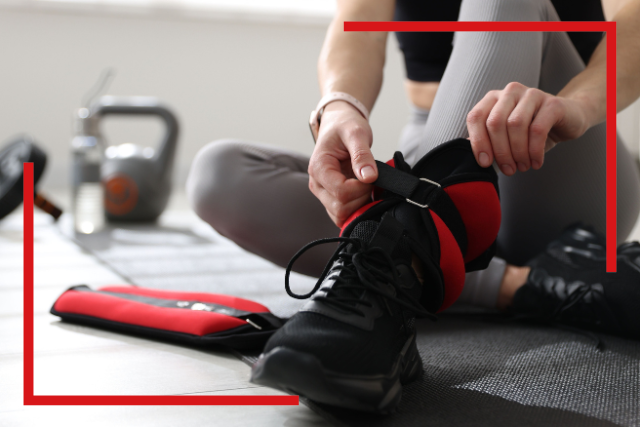
Ankle weights are weighted bands that strap around the ankle and stay in place during exercise. They typically range from around 0.5kg up to 3kg or more per ankle and the principle behind them is straightforward. By adding weight to the lower leg, they increase the resistance your muscles have to work against during movement. Every lift, kick, step, or extension requires more effort, which means more muscle engagement and a greater training effect from the same exercise.
That simplicity is a big part of what makes them useful. You don't need to learn new movements or change your programme. You strap them on and the exercises you already know become more demanding in a controlled, gradual way. For anyone training at home with limited equipment, that kind of progressive resistance is exactly what keeps workouts effective as fitness improves.
How Ankle Weights Help Tone and Strengthen the Lower Body
The lower body is where ankle weights do most of their best work. Exercises that target the glutes, hamstrings, quads and hip flexors all become more effective with added ankle resistance, because the muscles have to recruit more fibres to complete each movement against the extra load.
| Muscle Group | Best Exercises | Why It Works |
|---|---|---|
| Glutes and Hip Flexors | Donkey kicks, fire hydrants, standing kickbacks | Challenges muscles bodyweight alone struggles to once basic fitness is established |
| Hamstrings and Quads | Lying leg curls, leg extensions, side-lying leg raises | Keeps muscles under load for longer through the full range of motion |
Paired with a set of dumbbells for upper body work, a short ankle weights workout covering the lower body makes for a complete home training session without needing much space or time.
Do Ankle Weights Increase Calorie Burn?
They do and the effect is felt most during activities where the legs are in constant motion. Ankle weights walking is one of the most common applications and the reason it works is simple: the legs have to lift and move the added weight with every step, which increases the energy cost of the movement. Heart rate goes up, more calories are burned and the cardiovascular demand of a walk that might otherwise feel easy becomes meaningfully higher.
Did You Know?
The increase in calorie burn from ankle weights isn't dramatic in a single session, but across multiple sessions per week it adds up. The additional muscle work also contributes to the kind of body composition changes that support long-term results.
The same logic applies to low-intensity cardio sessions, step workouts and any floor-based routine where the legs are moving continuously. For anyone who struggles to find time for longer sessions, fitting mini workouts into your day is a practical way to keep that consistency going.
How Do Ankle Weights Improve Muscular Endurance?
Strength training with heavy weights tends to focus on low repetitions and high load. Ankle weights exercises work differently. The resistance is relatively light, which means movements are typically done for higher repetitions and that trains muscular endurance rather than maximum strength.
Body Sculpture
"More resistance, more muscle engagement, better results over time."
Muscular endurance is the ability of a muscle to sustain repeated contractions over time without fatiguing. It's what allows you to walk further, stay active for longer and perform everyday tasks without tiring as quickly. Improving it through regular ankle weights workout sessions builds a foundation that supports everything else you do, whether that's other forms of exercise or just getting through a long day on your feet.
Are Ankle Weights Good for Rehabilitation and Low-Impact Training?
Ankle weights have a long history in physiotherapy and rehabilitation settings and the reason comes down to control. When someone is returning from a lower body injury or managing a condition that limits what they can do, they need a way to rebuild strength gradually without placing excessive stress on joints. Light ankle weights allow exactly that. The load can be kept very low at first and increased incrementally as strength returns, which makes progress measurable and safe.
▶ Pro Tip
For older adults or anyone who finds higher-impact exercise uncomfortable, adding light ankle weights to gentle movements like seated leg raises or slow walking is one of the most accessible ways to maintain muscle strength and bone density without joint stress.
If you're unsure how to structure a safe and effective low-impact routine, 10 common home workout mistakes and how to avoid them covers a lot of the fundamentals that apply across all training levels.
How Ankle Weights Improve Pilates and Floor-Based Workouts
Pilates and yoga are built around controlled movement and body awareness and ankle weights slot into that framework naturally. Floor-based exercises that isolate the glutes and hips, such as clam shells, leg circles and side-lying raises, can plateau in difficulty once the body adapts to bodyweight alone. Adding ankle weights extends the challenge of those movements without disrupting the technique or the flow of the session.
The added resistance is felt through the full range of motion rather than just at the hardest point of a lift, which is one of the things that makes ankle weights for toning particularly effective for the kind of slow, deliberate movements that Pilates and yoga rely on. Resistance bands are another tool that works well in this context, providing a different type of resistance that can complement ankle weights in the same session.
How to Use Ankle Weights Correctly and Avoid Common Mistakes
The most important thing to get right is weight selection. Starting too heavy is a common mistake that leads to poor form, unwanted strain on the knees and hips and sessions that are harder than they need to be for the wrong reasons. For most people starting out, 0.5kg to 1kg per ankle is a sensible place to begin, with progression to heavier weights once the movements feel controlled and comfortable.
Ankle weights are well suited to slow, controlled exercises and low-intensity cardio like walking. They're not designed for running or high-impact movements, where the added load on the ankles and knees can cause problems rather than benefits. Keeping them for the right type of exercise and focusing on good form throughout each movement is what makes them effective. Getting the rest of your home setup right matters too and choosing compact home workout equipment and buying on a budget without compromising on quality are both worth a look if you're still building out your kit.
How Ankle Weights Fit Into a Home Training Routine
Ankle weights work best as part of a varied routine rather than as a standalone tool. On their own, they target the lower body well, but combining them with upper body resistance training creates a more balanced programme that develops strength and fitness across the whole body. Our guide on how to use dumbbells for full-body training at home has plenty of upper body moves that pair naturally with an ankle weights routine. A session that pairs ankle weights exercises for the legs and glutes with dumbbell work for the arms and shoulders covers a lot of ground in a short time, without needing anything more than a small amount of floor space.
For beginners putting together their first home setup, 5 home gym essentials for beginners gives a clear picture of where ankle weights sit alongside other foundational pieces of equipment. Their compact size means they're easy to store and easy to grab for a quick session, which is part of what makes them a practical choice for anyone training at home. Alongside resistance bands and a set of dumbbells, they form a versatile and affordable resistance training setup that suits most goals without taking over your living space.
Ankle weights are a simple and effective way to get more from the exercises you already do. Whether the goal is toning the lower body, increasing calorie burn during walks, building muscular endurance, or extending the challenge of Pilates and floor-based sessions, the benefit comes from the same principle: more resistance, more muscle engagement, better results over time. They're accessible for all fitness levels, kind on the joints when used correctly and compact enough to fit into any home training setup.
Key Takeaways
- Ankle weights add resistance to exercises you already do without changing your routine
- They are particularly effective for toning the glutes, hamstrings, quads and hip flexors
- Start with 0.5kg to 1kg per ankle and progress gradually as movements feel controlled
- They are well suited to walking, Pilates and rehabilitation, but not running or high-impact training
- Combining ankle weights with upper body work creates a balanced, full body home routine
Frequently Asked Questions
How heavy should ankle weights be for beginners?
0.5kg to 1kg per ankle is a sensible starting point for most beginners. This allows you to focus on controlled movement and good form before progressing to a heavier weight. Starting too heavy is one of the most common mistakes and can lead to poor technique and unnecessary strain on the knees and hips.
Can I wear ankle weights while running?
No, ankle weights are not designed for running or other high-impact movements. The added load combined with the repeated impact of running can place excessive stress on the ankles and knees. They are best suited to slow, controlled exercises and low-intensity activities like walking.
How often should I use ankle weights?
Two to four sessions per week is a good starting point, whether that's incorporated into walks, floor-based workouts or strength training. As with any form of resistance training, giving your muscles time to recover between sessions matters, so avoid using heavier ankle weights on consecutive days when first starting out.
Do ankle weights help with toning or just strength?
Both. The added resistance increases muscle engagement, which contributes to toning and definition over time, particularly when combined with consistent training and a balanced diet. The same mechanism that builds strength, increased muscle fibre recruitment, is what creates a more toned appearance with regular use.
Are ankle weights safe for everyone to use?
Ankle weights are generally safe for most people when used correctly with an appropriate weight and suitable exercises. However, anyone with existing joint issues, recent injuries or specific medical conditions should consult a healthcare professional before starting, particularly when using them for rehabilitation purposes.
Found this helpful? Share it with someone who has been looking for a simple way to make their workouts more effective.
Find Your Perfect Toning Equipment
Browse the full Body Sculpture toning equipment range and fitness accessories to find the right tools to complement your ankle weights workout at home. With over 50 years of expertise, we are here to help you find the right fit.
Shop Toning Equipment50+ Years Expertise Designing equipment since 1975 | ★★★★★ Trustpilot Rated Excellent by our customers | FREE UK Delivery On all qualifying orders | 24/7 Expert Advice Our team is happy to help |