Working out at home is one of the most convenient ways to stay fit, but convenience can sometimes work against you. Without the structure of a gym environment, a trainer nearby, or other people to keep you accountable, it's easy to pick up habits that slow your progress or increase your risk of injury without you realising it. Most of these mistakes are straightforward to fix once you know what to look for. This guide covers ten of the most common ones and what to do differently.

In This Article
Mistake 1: Skipping Your Warm Up
Jumping straight into a workout without warming up is one of the most common mistakes people make at home and one of the most likely to result in injury. When the body is cold, muscles are less pliable, joints are stiffer and the cardiovascular system hasn't had time to adjust to the increased demand. Going from rest to full effort without that transition puts unnecessary stress on the body.
A proper warm up doesn't need to take long. Five to ten minutes of light movement that gradually raises the heart rate and mobilises the joints you're about to use is enough to make a real difference. Our guide on the best warm up and cool down routines to avoid injury at home is worth reading before your next session.
Mistake 2: Working Out Without a Plan
Deciding what to do on the spot might feel flexible, but it rarely produces the best results. Random sessions tend to favour the exercises you enjoy rather than the ones you need, which means certain muscle groups get overworked while others get neglected. Progress is also much harder to track when there's no structure to refer back to.
Having even a simple weekly plan makes a significant difference. Knowing which days you're doing cardio, which days you're focusing on strength and which muscle groups you're targeting on each day creates a framework that builds consistent progress rather than aimless activity. It doesn't need to be complicated, but having a structure to follow is one of the most reliable ways to get results from training at home.
Body Sculpture
"Most home workout mistakes are straightforward to fix once you know what to look for."
Mistake 3: Using Too Much Weight Too Soon
The temptation to grab the heaviest weight available and push through is a mistake that shows up in home training just as often as it does in the gym. When form breaks down under too much load, the targeted muscles stop doing the work and other structures take over. That's when injuries happen and many of them are avoidable.
Starting lighter than you think you need to and focusing on moving well through the full range of the exercise is always the better approach. As form becomes consistent and the weight feels manageable, increasing the load progressively delivers far better results than jumping to a heavy weight before the body is ready. Body Sculpture's dumbbell range covers a broad range of weights that allow for gradual, sensible progression whether you're just starting out or looking to push beyond where you currently are.
Mistake 4: Doing the Same Workout Every Time
The body is highly adaptable. When it's exposed to the same stimulus repeatedly, it gets more efficient at handling that demand, which sounds positive but in practice means progress slows and eventually stops. If you've been doing the same routine for weeks and stopped seeing results, this is likely why.
Varying your workouts doesn't mean completely reinventing your routine every session. Changing the exercises, adjusting the order, altering the number of reps or sets, or switching between cardio and strength-focused sessions all introduce enough variety to keep the body responding. Adding resistance bands to bodyweight exercises is one of the simplest ways to change the demand on the muscles without needing new equipment. If you want to see exactly how far bands alone can take you, our guide on whether you can build muscle with just resistance bands has the full answer.
Mistake 5: Not Taking Rest Days
More training doesn't always mean more progress. The body doesn't improve during a workout, it improves during the recovery that follows. Muscles repair and grow stronger in the time between sessions and without adequate rest that process doesn't have a chance to complete before the next workout places more demand on the same system.
Did You Know?
Training too frequently without rest leads to a state where performance starts to decline, energy drops and the risk of overuse injuries increases. Active recovery on rest days, such as gentle walking, light stretching or foam rolling, keeps you moving without undermining the recovery process.
Most people doing home workouts benefit from at least one or two rest days per week. Active recovery on those days is a perfectly good way to stay moving without undermining the recovery process.
Mistake 6: Training With Poor Form
In a gym setting, you might have a trainer watching your form or mirrors on the wall to check your positioning. At home, those reference points often aren't there, which means poor form can develop and persist without you realising it. Bad movement patterns that go uncorrected become habits and habits that place stress on the wrong structures are how chronic issues develop over time.
▶ Pro Tip
Set up your phone to record a few sets from the side or front occasionally. It takes seconds and often reveals things that feel correct in the moment but look quite different from the outside. It is one of the most useful and underused tools for training at home.
For anyone managing an injury or returning to training after time off, our guide on best resistance band exercises for injury recovery covers controlled movements that keep the body safe while it heals.
Mistake 7: Rushing Your Cool Down
The cool down gets cut short or skipped entirely more often than the warm up, usually because the session feels finished once the last rep is done. Stopping suddenly after sustained effort leaves the heart rate elevated, blood pooling in the working muscles and the body without the gentle transition it needs to return to its resting state comfortably.
A proper cool down of five to ten minutes, including some light movement and targeted stretching, helps clear metabolic waste from the muscles, reduces next-day soreness and begins the recovery process properly.
Mistake 8: Training Without a Goal
Training without a specific goal is a bit like driving without a destination. You'll cover ground, but it's hard to know whether you're heading in the right direction or when you've arrived. Vague intentions like getting fitter or losing a bit of weight are difficult to build a plan around and even harder to stay motivated by over time.
Setting a clear, simple goal changes how you approach training. Whether it's completing a certain number of sessions per week, lifting a specific weight by a target date, or being able to sustain a cardio session for longer than before, having something concrete to work towards makes every home workout feel purposeful. Goals don't need to be ambitious to be effective. They just need to be specific enough to give your training direction.
Mistake 9: Not Increasing Difficulty Over Time
Progression is the principle that keeps training working. Once the body has adapted to a given level of challenge, maintaining that level produces maintenance rather than improvement. To continue getting stronger, fitter, or leaner, the demand needs to gradually increase over time.
This doesn't mean every session needs to be harder than the last. Progression can happen in small increments — adding a rep or two, increasing the weight slightly, shortening rest periods, or introducing a more challenging variation of an exercise. Keeping a simple log of what you've done in each session makes it much easier to spot when it's time to increase the difficulty and ensures progress keeps moving in the right direction.
Mistake 10: Buying the Wrong Equipment
Equipment that sits unused is one of the most common and expensive pitfalls in home workouts. It usually happens when something is bought without a clear sense of how it fits into an actual training plan, or when the novelty of a new purchase wears off faster than expected.
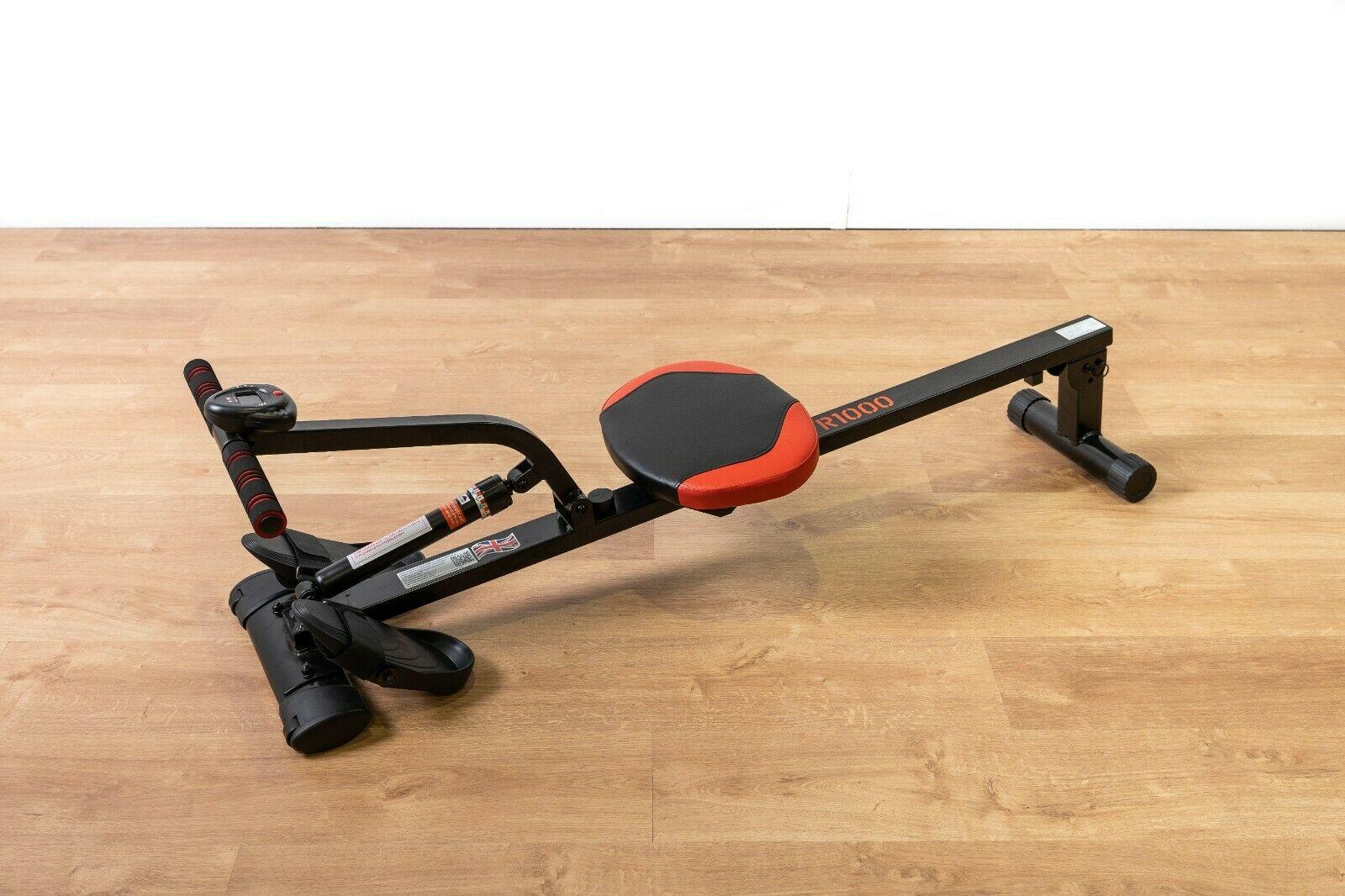
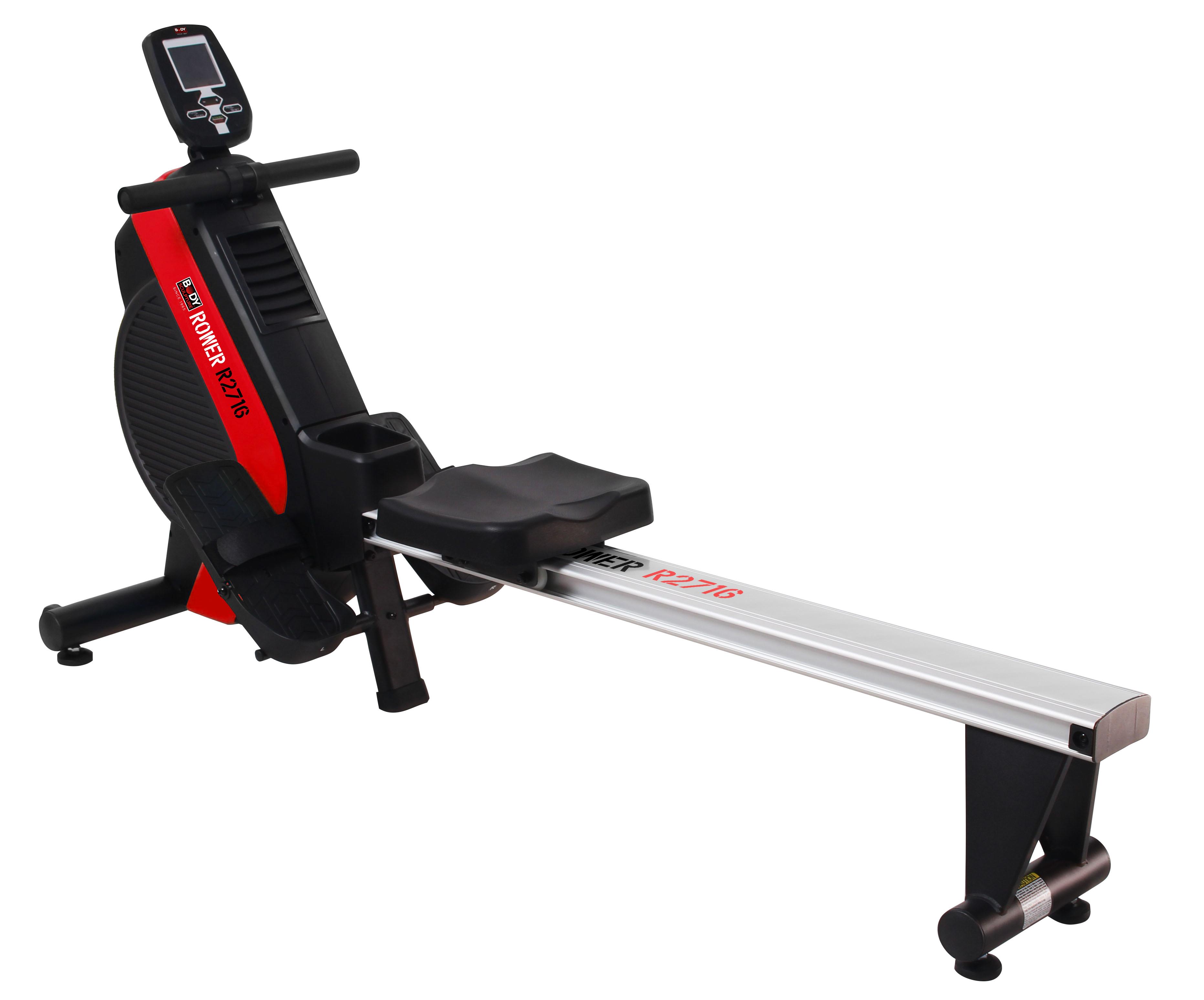
Before buying anything, it's worth being specific about what you're trying to achieve and choosing equipment that directly supports that goal. A rowing machine suits someone who wants full body cardio and strength combined. Dumbbells suit someone focused on progressive strength training. Resistance bands suit someone who wants versatility, portability and low-impact options. Understanding the most common equipment buying mistakes before spending anything is well worth the few minutes it takes.
Most home workout mistakes come down to a small number of habits that are easy to fix once you're aware of them. Making even a few of these adjustments has a noticeable effect on both results and how the body feels between sessions.
All 10 Mistakes at a Glance
| # | Mistake | Quick Fix |
|---|---|---|
| 1 | Skipping the warm up | 5 to 10 minutes of light movement before every session |
| 2 | Working out without a plan | Write a simple weekly structure with cardio and strength days |
| 3 | Too much weight too soon | Start lighter than you think you need to and progress gradually |
| 4 | Same workout every time | Change exercises, reps, sets or resistance regularly to keep progressing |
| 5 | Not taking rest days | Build in at least one to two rest or active recovery days per week |
| 6 | Poor form | Record yourself occasionally to catch technique issues you can't feel |
| 7 | Rushing the cool down | 5 to 10 minutes of light movement and stretching after every session |
| 8 | Training without a goal | Set one specific, measurable goal to give your training direction |
| 9 | Not progressing difficulty | Keep a simple training log and increase the challenge in small increments |
| 10 | Buying the wrong equipment | Define your goals first, then choose equipment that directly supports them |
Key Takeaways
- Always warm up and cool down, even if just for five minutes each side
- Train with a plan and a goal so every session has a clear purpose
- Start lighter than you think you need to and progress the difficulty gradually over time
- Vary your routine regularly to keep the body responding and progressing
- Rest days are not optional, they are where improvement actually happens
Frequently Asked Questions
How do I know if I'm overtraining at home?
Common signs of overtraining include persistent fatigue that doesn't improve with sleep, declining performance across sessions, increased muscle soreness that doesn't resolve between workouts, low mood and reduced motivation. If several of these are present at once, taking a few extra rest days and reducing intensity is the right response rather than pushing through.
How long should a warm up and cool down be?
Five to ten minutes for each is sufficient for most home workouts. The warm up should gradually raise the heart rate and mobilise the specific joints you're about to use. The cool down should include light movement followed by stretching targeting the muscles worked in the session. Both matter more than most people give them credit for.
How often should I change my home workout routine?
There's no fixed rule, but if you've been doing the same routine for four to six weeks without seeing progress, it's a good sign something needs to change. Small adjustments, such as adding reps, increasing weight or introducing a new exercise, are enough to restart progress without overhauling everything at once.
Is it better to train every day or take rest days?
For most people, training every day without rest is counterproductive. The body adapts and improves during recovery, not during the workout itself. Three to five sessions per week with rest or active recovery days in between is a more effective approach than daily training for the vast majority of home gym users.
How do I set a good fitness goal for home workouts?
The best fitness goals are specific and measurable. Rather than "get fitter," try "complete four home workouts per week for the next eight weeks" or "increase my dumbbell press from 8kg to 12kg in three months." Specific goals give your training direction, make it easier to track progress and provide a clear sense of achievement when reached.
Found this helpful? Share it with someone who has been training hard at home but not quite getting the results they expected.
Ready to Train Smarter at Home?
Browse the full Body Sculpture range including rowing machines, exercise bikes and strength equipment. With over 50 years of expertise, we are here to help you find the right fit for your goals and your space.
Shop the Full Range50+ Years Expertise Designing equipment since 1975 | ★★★★★ Trustpilot Rated Excellent by our customers | FREE UK Delivery On all qualifying orders | 24/7 Expert Advice Our team is happy to help |