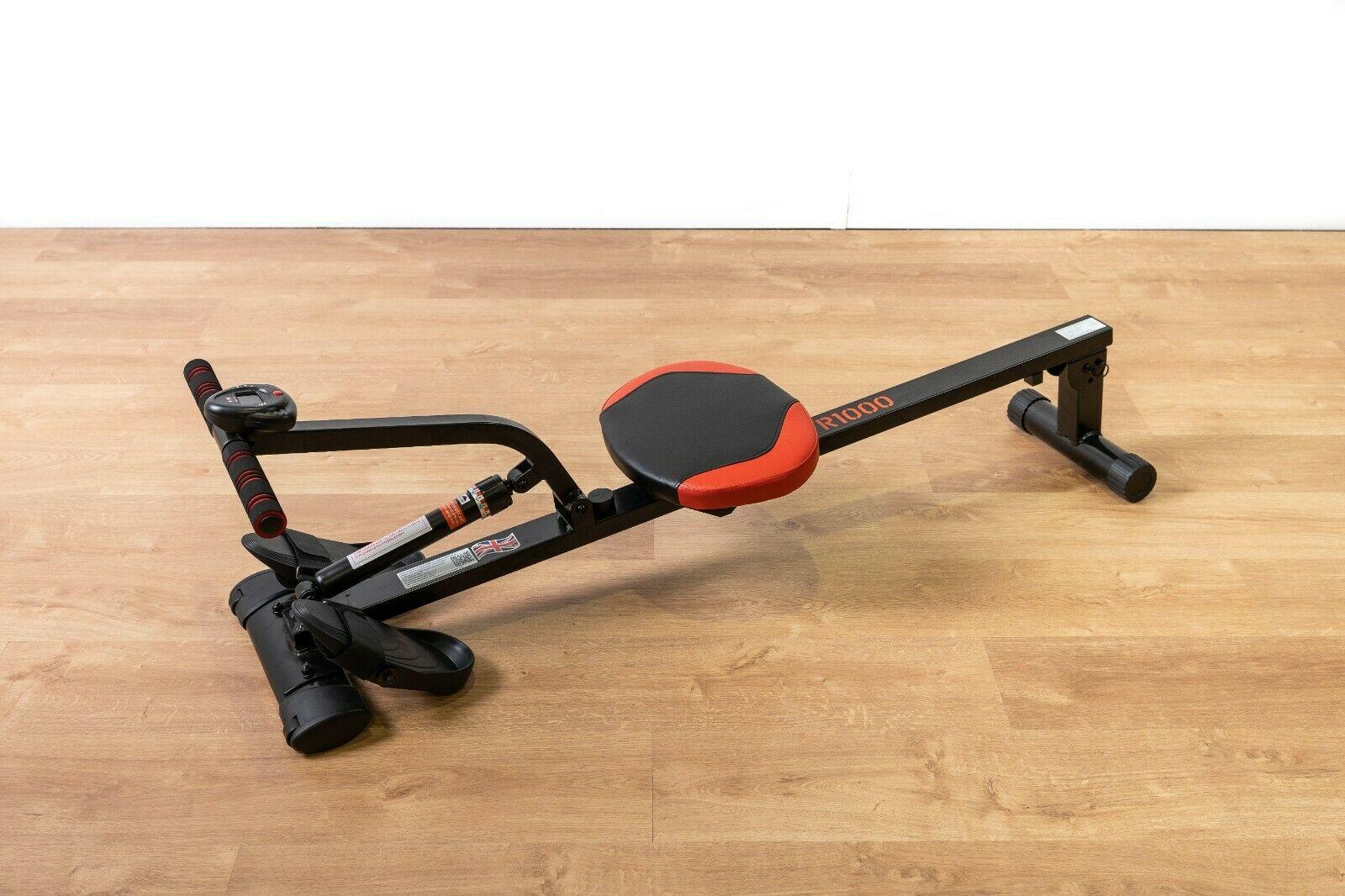
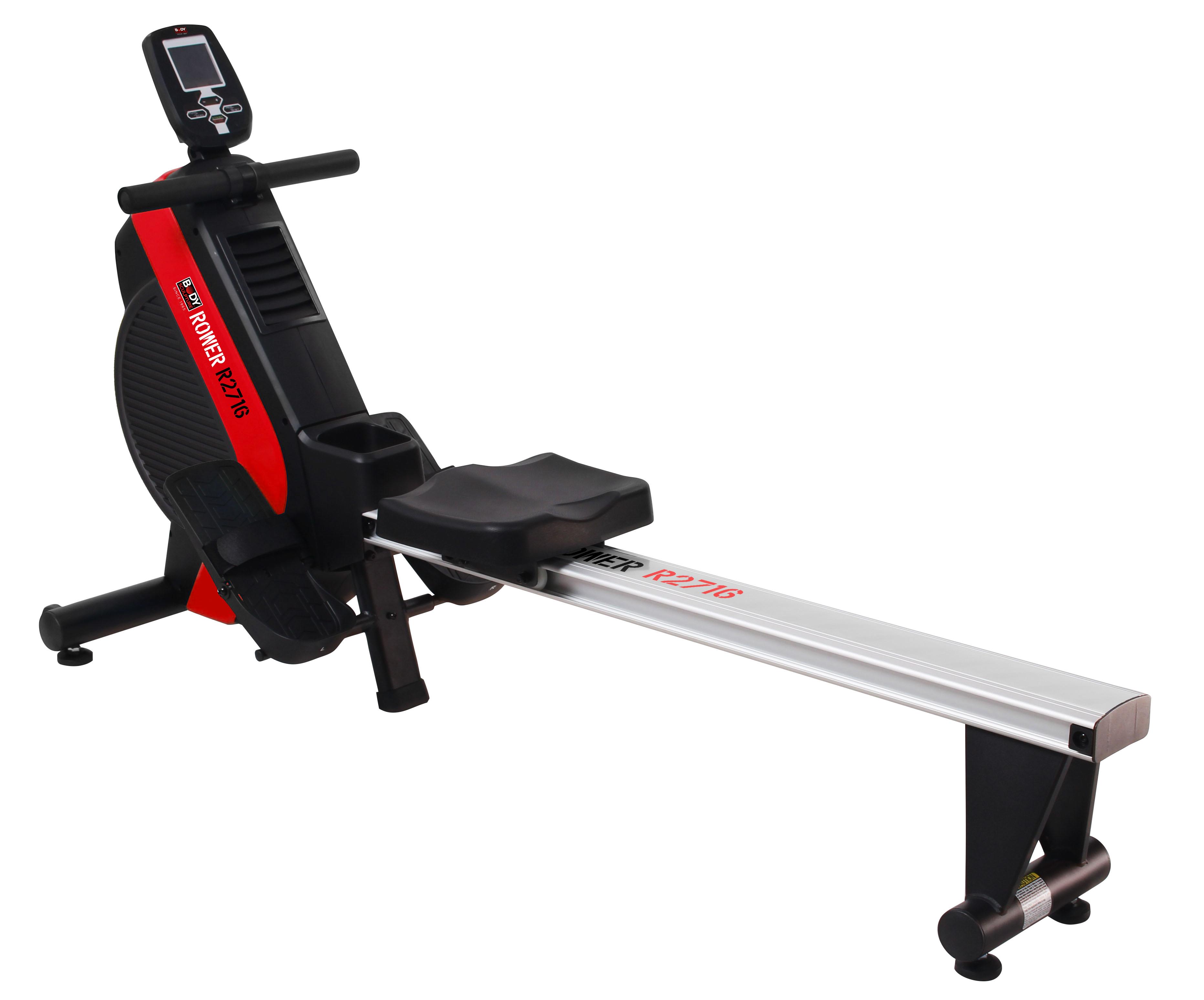
With busy schedules, long working hours and the pressure to juggle everything at once, finding time for a full workout can feel impossible. The good news is that fitness has evolved. Mini-workouts are becoming one of the most popular and practical ways to stay active. These short bursts of movement are flexible, effective and fit easily into even the busiest lifestyle.
Mini-workouts allow you to build strength, boost your fitness and stay consistent without needing a full hour of exercise. Whether you prefer training at home, during your break at work or simply squeezing in movement throughout the day, these bite-sized sessions make staying active far more manageable. Here's how to make mini-workouts a natural part of your routine.
In This Article
Start With Short, Simple Sessions
Mini-workouts work best when they're easy to begin. You don't need a long warm-up or a big setup. Just 5 to 10 minutes of focused movement is enough to make a difference, especially when done regularly throughout the week.
You could start with a few bodyweight exercises like squats, lunges or press-ups. If you prefer using equipment, compact options such as resistance bands or a mini stepper make it easy to squeeze in a session without taking up space. The key is keeping things short, simple and achievable. Try choosing one or two go-to routines that you can start without overthinking. When you know exactly what to do, it becomes much easier to stay consistent.
Did You Know?
Research shows that short, consistent bursts of activity accumulate into meaningful health benefits over time. A 2019 clinical study found measurable improvements in body composition from as little as 12 to 15 minutes of activity per day, performed consistently across the week.
Add Short Bursts of Movement Into Your Workday
If you spend long hours at a desk, it's easy to fall into long stretches of sitting without even realising it. Mini-workouts are a great way to break up the day and keep your body moving. Rather than waiting until the evening for a full workout, spreading short bursts of activity throughout your workday can help boost your energy and reduce stiffness.
- Standing up for a few squats or calf raises between calls or tasks
- A quick walk around the room or office to reset your posture
- A short resistance band routine if you have one nearby
- Desk-friendly stretches for your back, shoulders and neck
You may be surprised by how effective these little moments can be. Not only do they keep you active, but they also help improve focus, support posture and make you feel more refreshed by the afternoon. Our post on the rise of short workouts and why they actually work explains the science behind why even brief movement windows deliver real results.
Make the Most of Everyday Transitions
There are plenty of natural pauses throughout the day that can be perfect for a little movement. Moments like waiting for the kettle to boil, taking a breather between tasks or stretching your legs during a short screen break are all opportunities that don't require extra planning. These are realistic points in the day where a few minutes of activity can slot in comfortably without disrupting your routine.
Body Sculpture
"Doing something is always better than doing nothing. Small efforts add up, and these moments of movement matter more than most people realise."
Simple movements such as squats, calf raises, shoulder rolls or gentle stretching fit easily into these transitions. If you have home equipment nearby, a quick session on an exercise bike or a mini stepper can also work well. These small bursts of movement help keep your body active and energised and over time they contribute to better overall fitness without needing a long workout window.
Keep Your Home Fitness Equipment Within Easy Reach
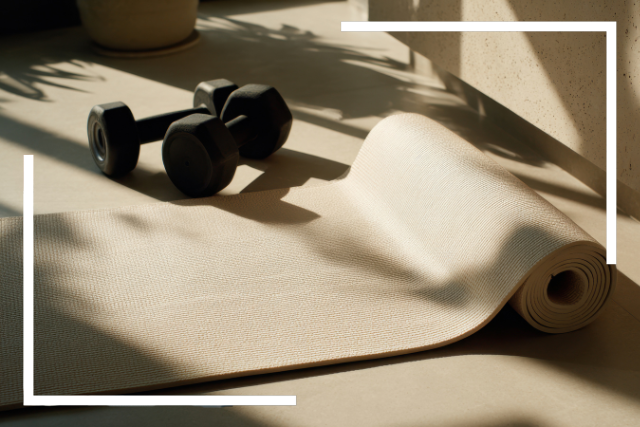
One of the biggest barriers to exercise is simply having to dig out your equipment. When your kit is easily accessible, it becomes far easier to commit to a short session. Keep items like dumbbells, kettlebells or resistance bands somewhere you can grab them within seconds.
▶ Pro Tip
Leave a resistance band or a pair of light dumbbells somewhere visible, on a shelf, by the sofa, or near your desk. Research on habit formation consistently shows that reducing friction is the single most effective way to make a behaviour more likely to happen. When it's already out and in sight, the decision is made for you.
You don't need a full home gym for mini-workouts. A small corner of your living room, bedroom or office can serve as a perfect workout space. Even better, compact fitness products can stay out permanently without getting in the way. When everything is within reach, you can act on those little bursts of motivation without hesitation. Our guide on why compact equipment is better for home workouts covers this principle in more detail.
Use Mini-Workouts to Stay Consistent on Low-Energy Days
On days when your energy feels low or your schedule is full, mini-workouts are a brilliant way to stay on track without committing to a long session. Instead of skipping exercise completely, a gentle ten-minute routine can help you maintain consistency and keep your body moving.
These mini-sessions can be as simple as light strength work, stretching or a short burst of steady cardio. The aim is not intensity, but simply giving your body some movement and keeping the habit going. Even if it doesn't feel like much, doing something is always better than doing nothing and these small efforts add up over time. For more on building this mindset, our blog on how to build a consistent routine when your schedule is unpredictable is well worth a read.
Turn Mini-Workouts Into a Daily Routine
If you want mini-workouts to become part of your lifestyle, it helps to anchor them to habits you already have. When you attach small sessions to moments in your day, they begin to feel automatic rather than effortful. Here are some examples of how that might look in practice:
| Time of Day | Anchor Habit | Mini-Workout |
|---|---|---|
| Morning | Before brushing your teeth | 5-minute warm-up or bodyweight circuit |
| Midday | Before or after lunch | Short resistance band routine or brisk walk |
| Afternoon | After finishing work | Quick cardio blast on a stepper or exercise bike |
| Evening | While winding down before bed | Gentle stretches or mobility work |
Anchoring workouts to moments you already repeat every day makes them easier to remember and harder to skip. Over time, these small connections help turn mini-workouts into a natural, lasting part of your routine.
Mix Up Your Mini-Workouts for Better Variety
One of the benefits of mini-workouts is that they're easy to customise. You can change your exercises depending on how you feel or what you want to focus on. Keeping a mix of ideas handy helps prevent boredom and keeps your body challenged.
- Strength:dumbbells, resistance bands, bodyweight circuits
- Cardio:stepper, brisk walking, exercise bike
- Core: planks, crunch variations, slow controlled movements
- Mobility: yoga flows, stretching routines, gentle activation work
Mixing and matching helps create a balanced routine that supports both your fitness and wellbeing. It also keeps your workouts feeling fresh, so you're more likely to stay consistent over time. Our guide on 10 common home workout mistakes and how to avoid them covers the importance of variety in more detail alongside other habits that make a real difference to results. One habit worth keeping even in a five-minute session is a proper warm-up, and the best warm-up and cool-down routines to avoid injury at home has quick versions built for exactly this kind of schedule.
Track Your Progress in Simple, Enjoyable Ways
You don't need complicated apps or detailed charts to measure progress. A simple notebook, the notes app on your phone or marking off days on your calendar can be more than enough. Keeping things simple makes it easier to stick with tracking, rather than turning it into a chore.
Tracking helps you notice improvements you might otherwise miss. That could be feeling stronger, finding exercises easier or simply feeling more energised throughout the day. Mini-workouts may be short, but they add up quickly and tracking helps you see just how effective they can be. Over time, these small notes build a clear picture of your growth and remind you how consistent you have actually been. It's a great way to stay motivated and celebrate progress as it happens.
Key Takeaways
- Five to ten minutes of focused movement done consistently delivers real results over time
- Anchoring mini-workouts to existing habits makes them automatic and harder to skip
- Keeping equipment visible and within reach is one of the simplest ways to exercise more often
- Low-energy days are exactly when mini-workouts matter most, even ten minutes keeps the habit alive
- Rotating between strength, cardio, core and mobility keeps sessions fresh and the body progressing
Frequently Asked Questions
Can mini-workouts really replace a full gym session?
For general health, consistency and staying active, mini-workouts are surprisingly effective. Research shows that accumulated movement throughout the day produces comparable cardiovascular and metabolic benefits to longer structured sessions. For very specific performance goals, such as training for a race or building significant strength, longer dedicated sessions still have a role, but for most people's fitness goals, consistent mini-workouts are more than enough.
How many mini-workouts should I do per day?
There's no fixed rule, but aiming for two to four short bursts of movement across the day is a practical target for most people. Even a single 10-minute session done consistently every day produces meaningful results over weeks and months. Quality and consistency matter far more than hitting a specific number.
What's the best equipment for mini-workouts at home?
Resistance bands are the most versatile and accessible option since they take up no space, are inexpensive and cover a huge range of exercises. A pair of light dumbbells and a mini stepper are also excellent additions. The best equipment for mini-workouts is whatever you'll actually pick up and use in a short window of time without needing to set anything up.
How do I stay motivated to do mini-workouts every day?
Habit stacking is the most reliable method, attaching a mini-workout to something you already do every day removes the reliance on motivation entirely. Tracking even simple progress, such as ticking off days on a calendar, also provides a visual sense of consistency that makes it easier to keep going. Starting very small, even just five minutes, lowers the barrier enough that there's rarely a reason not to do it.
Are mini-workouts good for weight loss?
Yes, particularly when combined with a balanced diet. While a single 10-minute session burns a modest number of calories, the cumulative effect of multiple sessions across the week adds up significantly. Mini-workouts also help build lean muscle over time, which increases the body's resting calorie burn throughout the day, not just during exercise.
Found this helpful? Share it with someone who keeps saying they don't have time to exercise. This might be just what they need.
Ready to Start Your Mini-Workout Routine?
Explore the Body Sculpture home fitness range and find compact equipment that makes staying active simple and enjoyable, no matter how busy your day gets.
Shop Compact Fitness Equipment50+ Years Expertise Designing equipment since 1975 | ★★★★★ Trustpilot Rated Excellent by our customers | FREE UK Delivery On all qualifying orders | 24/7 Expert Advice Our team is happy to help |