There's a reason kettlebells have been a staple of serious training for centuries and are now one of the most popular pieces of home workout equipment available. They're compact, versatile and capable of delivering a genuinely demanding workout that combines strength and cardio in one flowing session. Whether you've seen them in a gym and wondered what all the fuss is about, or you're actively looking to add something new to your home workout routine, this guide covers everything you need to know about kettlebell training and whether it's worth your time.
In This Article
What Is Kettlebell Training and How Does It Work
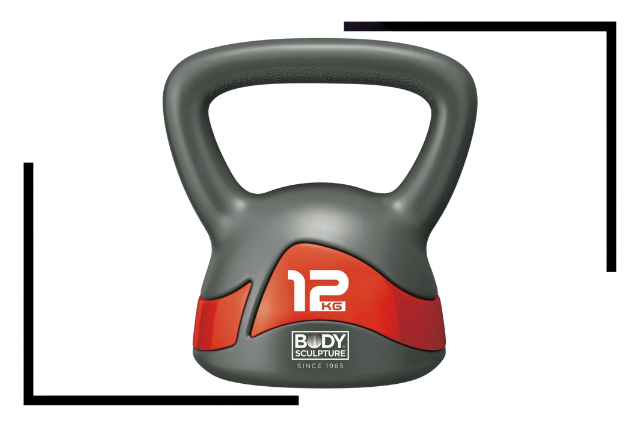
A kettlebell is a weight shaped with a flat base and a looped handle on top. With a dumbbell, the weight is evenly distributed on either side of the grip. With a kettlebell, the weight hangs below the handle, which shifts the centre of gravity away from the hand and changes the way the body has to work to control it.
This off-centre weight is the foundation of what makes kettlebell training distinctive. Almost every kettlebell exercise requires your muscles to stabilise and control the movement in a way that static weights don't demand. The result is a training style that builds strength, improves coordination and balance and raises the heart rate all at the same time, often within a single exercise rather than needing separate sessions for each goal.
Where Do Kettlebells Come From
Kettlebells have a longer history than most people realise. They originated in Russia in the 18th century, initially used as counterweights in markets before strongmen began using them to demonstrate feats of strength. By the early 20th century, they were a cornerstone of Russian military and athletic training, valued for the combination of strength and endurance they developed.
They made their way into mainstream Western fitness in the early 2000s, largely driven by strength coaches who recognised the functional value of the movements they made possible. Since then, their popularity has grown steadily and they're now a fixture in gyms, fitness classes and home gym setups across the UK. A single piece of equipment that works for dozens of exercises, takes up almost no space and requires no machine or bench makes them a particularly strong fit for home workouts.
How Is Kettlebell Training Different From Regular Weight Training
Most traditional weight training is built around isolation exercises, movements that focus on one muscle group at a time. A bicep curl works the biceps. A leg press works the quads and glutes. There's nothing wrong with this approach, but it requires a lot of different exercises and often a lot of equipment to cover the whole body.
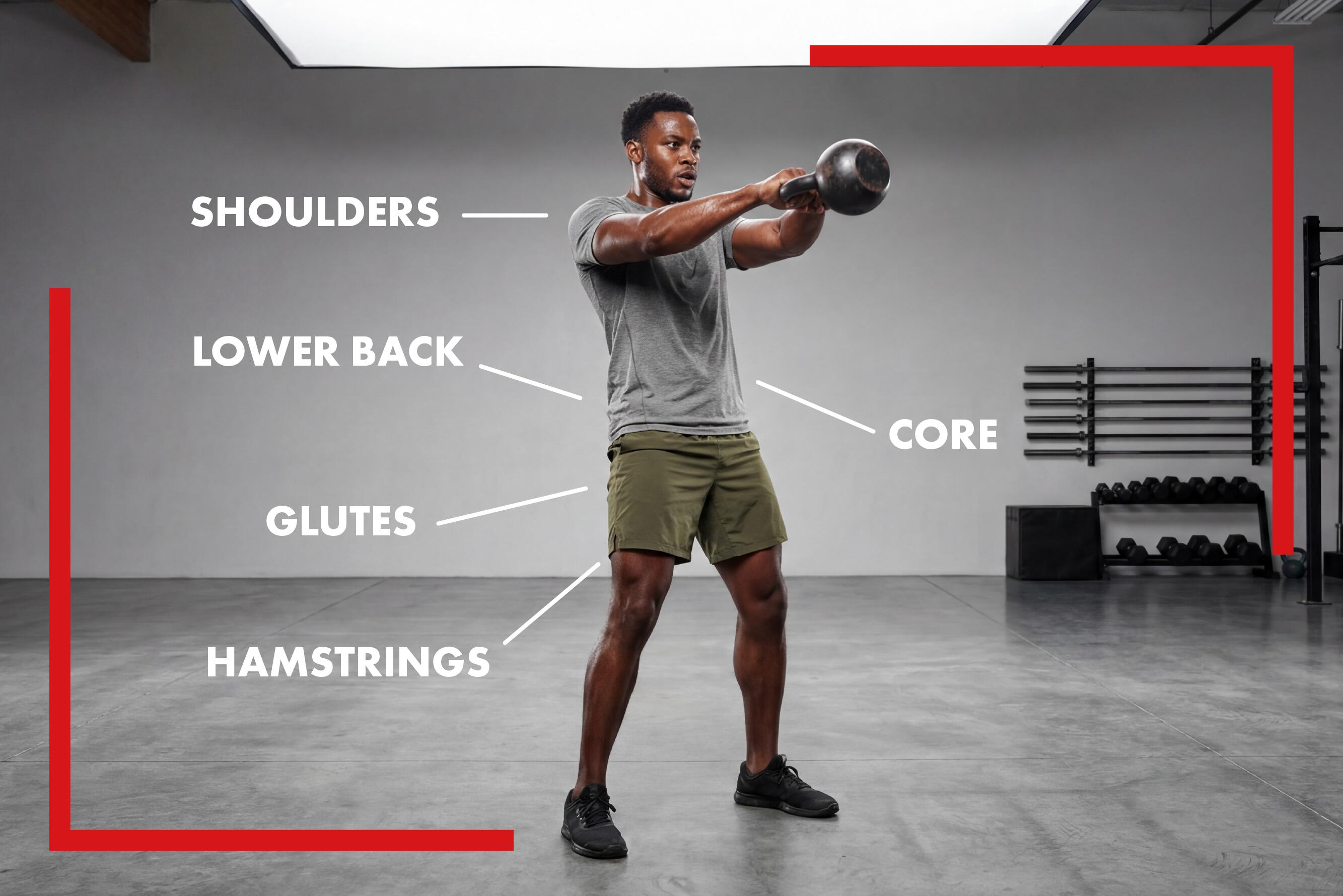
Kettlebell training works differently. The movements are compound and dynamic, meaning they engage multiple muscle groups at once and often require the whole body to work together. A kettlebell swing, for example, works the hamstrings, glutes, core, back and shoulders all in one movement while also raising the heart rate significantly. This makes kettlebell training one of the most time-efficient ways to train, which is a big part of why it suits home workout routines so well where time and space are often limited. If you're thinking about why compact equipment tends to work better at home than larger machines, kettlebells are one of the clearest examples of that principle in action.
Body Sculpture
"A single kettlebell exercise can build strength, improve coordination and raise your heart rate all at the same time."
What Are the Benefits of Kettlebell Training
The combination of strength, cardio and functional movement that kettlebell training delivers means the benefits cover more ground than most other training styles of comparable time investment.
How Kettlebell Training Builds Full Body Strength
Kettlebell movements rarely isolate a single muscle. They engage large muscle groups across the whole body, which builds functional strength that translates into everyday movement rather than just gym performance. Regular kettlebell training develops the posterior chain, the muscles running from the calves up through the hamstrings, glutes and back, which are among the most important for posture, movement and injury prevention.
Can Kettlebell Training Replace Cardio
One of the less obvious benefits of kettlebell training is how effectively it conditions the cardiovascular system. High-rep kettlebell circuits raise the heart rate and keep it elevated throughout the session.
Did You Know?
Research published in the Journal of Strength and Conditioning Research found that kettlebell swings achieved average heart rates of around 90% of age-predicted maximum, meeting the threshold for improving cardiovascular fitness and making them a strong alternative to traditional cardio.
How Kettlebells Improve Balance, Coordination and Flexibility
The dynamic, off-centre nature of kettlebell movements demands constant coordination and stability. Over time, this improves balance and body awareness in a way that static weight training rarely does. Many kettlebell exercises also move through a wide range of motion, which develops flexibility alongside strength rather than compromising one for the other.
How Many Calories Does Kettlebell Training Burn
The combination of muscular effort and elevated heart rate means kettlebell training burns a significant number of calories in a relatively short session. This makes them particularly well suited to mini workouts, where getting the most out of a limited window of time matters. A few well-chosen kettlebell exercises can deliver more in 15 minutes than many longer gym sessions, which is exactly the kind of approach covered in the guide on how to fit mini workouts into your day.
The Best Kettlebell Exercises for Beginners
Kettlebell training has a large library of exercises, but a small handful of movements form the foundation of most programmes. Learning these well before adding complexity is the most effective way to build confidence and get results.
| Exercise | Muscles Worked | Key Focus |
|---|---|---|
| Kettlebell Swing | Hamstrings, glutes, core, back, shoulders | Power comes from the hips, not the arms |
| Goblet Squat | Quads, glutes, core, hip flexors | Chest up, knees tracking over toes |
| Kettlebell Deadlift | Hamstrings, glutes, lower back | Flat back, hips pushing back not down |
| Kettlebell Press | Shoulders, triceps, core, upper back | Keep elbow tucked, press straight overhead |
▶ Pro Tip
Master the hip hinge before anything else. It's the foundation of the swing, the deadlift and many other kettlebell movements.
Is Kettlebell Training Good for Beginners
Kettlebell training is well suited to beginners, with one important caveat: form matters more than weight. The movements, particularly the swing and the deadlift, involve the lower back and hips in ways that require good technique to be safe and effective. Starting light and focusing on learning the movements before increasing the load is the right approach.
The good news is that the learning curve isn't as steep as it might look. Most kettlebell movements mirror natural, functional patterns that the body picks up relatively quickly. Starting with two or three sessions a week using basic movements like the swing, goblet squat and deadlift gives beginners a solid foundation without overwhelming them. A kettlebell also pairs well with other beginner-friendly equipment and if you're putting together your first home workout setup, the five essentials every beginner home gym needs is a good read before you start buying.
How to Choose the Right Kettlebell Weight for Your Level
Choosing the right starting weight is one of the most common questions from people new to kettlebell training. Starting too heavy compromises technique and increases the risk of injury, so getting this right from the beginning matters. The general rule is to choose a weight that allows 10 to 15 repetitions with good form but feels challenging by the end of the set.
| Weight | Best For |
|---|---|
| 4kg | New to exercise or returning after a break. Ideal for learning movement patterns. |
| 6kg | Some existing fitness with a more challenging starting point in mind. |
| 8kg | Active beginners comfortable with basic compound movements. |
| 10kg | Those with an existing strength training background looking for a real challenge. |
| 12kg | Experienced lifters with solid technique looking to push their training further. |
Why Kettlebells Are Great for Home Workouts
Kettlebells are particularly well suited to home workouts for a combination of practical and performance reasons. A single kettlebell takes up almost no floor space, requires no machine, bench, or electrical supply and can be used in any room with enough clearance to swing the weight safely. They store easily and don't require any setup time between exercises.
From a performance standpoint, the variety of exercises a single kettlebell makes possible means you can work through a complete full body home workout without needing anything else. Swings, squats, presses and rows can all be combined into circuits that cover strength, cardio and mobility in a single session. For anyone who doesn't have the space or budget for multiple machines, a kettlebell or two covers a remarkable amount of ground and they make a great starting point if you're building out a home gym from scratch.
Kettlebell training is one of the most effective and practical forms of exercise available, combining strength, cardiovascular conditioning, balance and flexibility in a single dynamic workout. The movements are functional, the equipment is compact and the results are well supported by research. Whether you're new to training or looking to add variety and efficiency to an existing routine, kettlebells deliver a consistently high return for the time and effort you put in. To see exactly how kettlebell training compares to dedicated cardio machines for calorie burn, our guide on which type of home fitness equipment burns the most calories has the full breakdown.
Key Takeaways
- Kettlebell training combines strength, cardio, balance and flexibility in one compact workout
- The off-centre weight demands more from your muscles than standard dumbbells
- Research shows kettlebell swings can reach 90% of maximum heart rate, matching traditional cardio
- Beginners should start light and focus on mastering the hip hinge before increasing load
- A single kettlebell can replace multiple pieces of equipment in a home gym setup
Frequently Asked Questions
How often should I train with kettlebells?
Two to three sessions per week is a solid starting point for beginners. This gives you enough frequency to build the movement patterns and see progress while allowing adequate recovery between sessions. As your fitness improves you can add sessions or increase intensity.
Can I build muscle with kettlebells alone?
Yes, particularly for beginners and intermediate trainers. Kettlebell movements load multiple muscle groups simultaneously and when applied with progressive overload, they can stimulate meaningful muscle growth. For advanced strength goals, combining kettlebells with heavier free weights will give better results over time.
Are kettlebells better than dumbbells?
They're different tools rather than one being better than the other. Kettlebells excel at dynamic, compound movements and cardiovascular conditioning. Dumbbells are better for isolation exercises and precise loading. Many people find having both gives them the most versatile home setup.
Is kettlebell training safe for people with back problems?
Kettlebell training can be safe for people with back issues, but technique is critical. The hip hinge movement pattern, which is central to the swing and deadlift, must be performed correctly to avoid loading the spine incorrectly. Starting with lighter weights, focusing on form and consulting a professional if you have a specific injury is strongly recommended.
How much space do I need to train with kettlebells at home?
A clear area of roughly two metres by two metres is enough for most kettlebell exercises. You need enough room to swing the weight overhead and to the sides without obstruction. Outdoors or in a garden works just as well if indoor space is limited.
Found this helpful? Share it with someone who has been thinking about adding kettlebells to their home setup.
Find Your Perfect Kettlebell
Browse the full Body Sculpture kettlebell range, with options from 4kg to 12kg to suit all fitness levels. With over 50 years of expertise, we are here to help you find the right fit for your goals and your space.
Shop Kettlebells50+ Years Expertise Designing equipment since 1975 | ★★★★★ Trustpilot Rated Excellent by our customers | FREE UK Delivery On all qualifying orders | 24/7 Expert Advice Our team is happy to help |