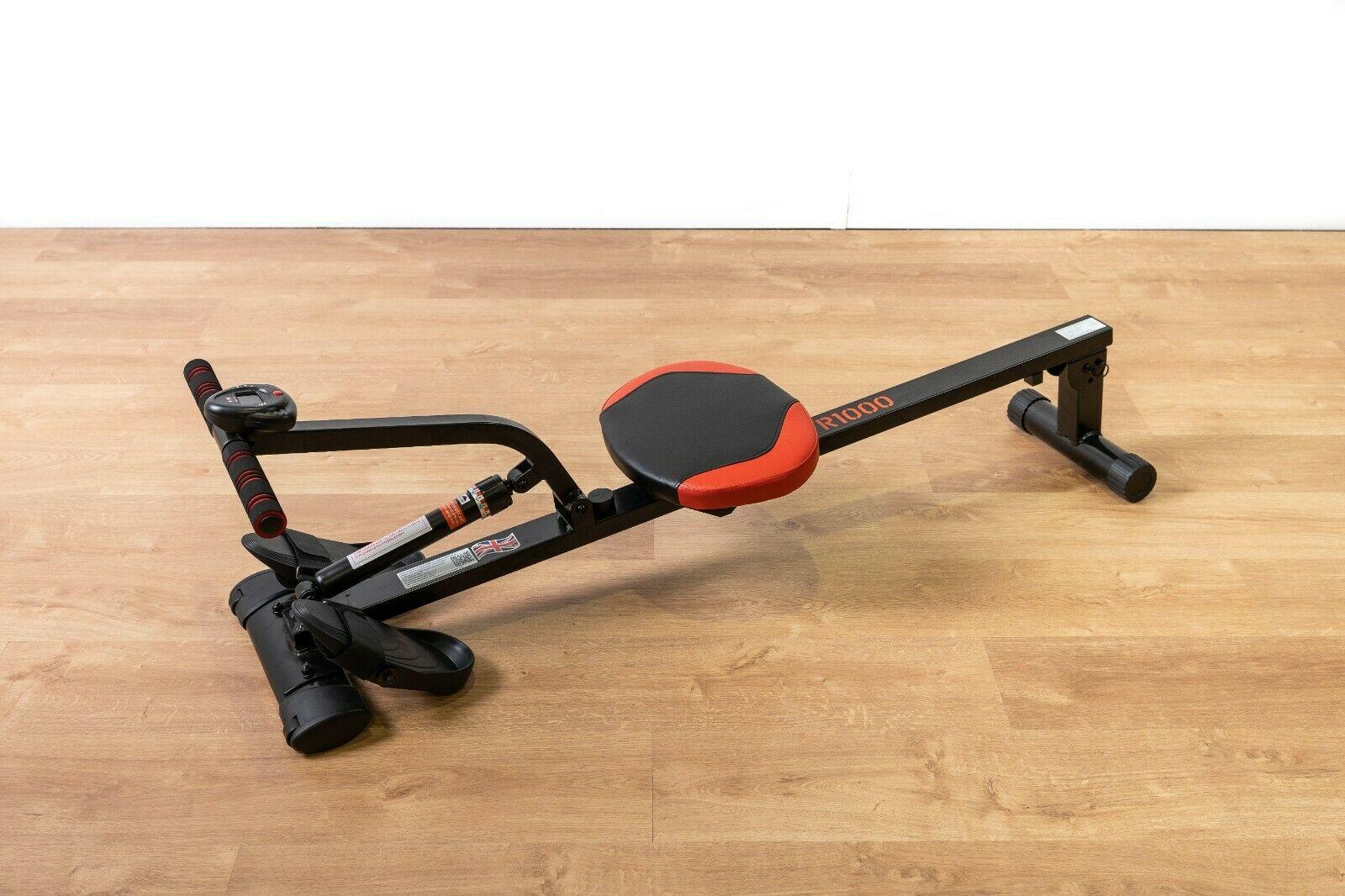
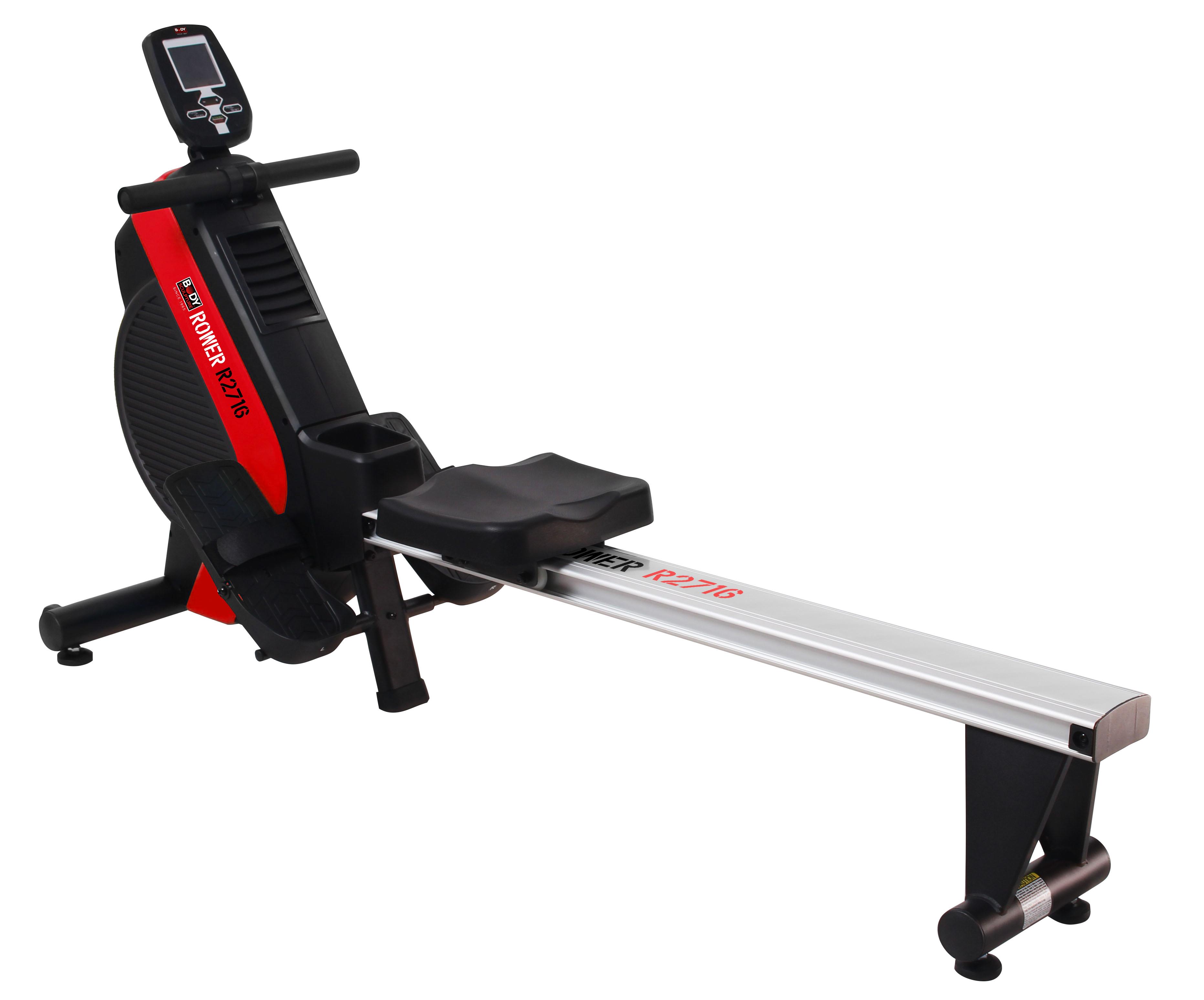
Setting up a home gym might sound intimidating, especially if you're just starting out and don't know where to begin. But the truth is, creating a space to get fit doesn't have to be complicated or expensive. Whether you've got a spare room, a corner of your living room or even just a bit of garage space, with a few simple pieces of equipment and a bit of planning, you can build a home gym that genuinely works for you.
This guide will walk you through the essentials step by step, so you can start getting stronger, fitter and more confident from the comfort of home.
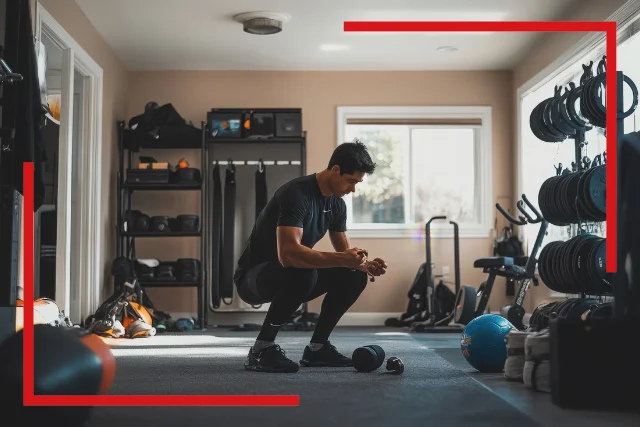
In This Article
Step 1: Know Your Fitness Goals
Before you start buying equipment or clearing out space, it's important to think about why you want a home gym. Are you aiming to lose weight, gain muscle, increase flexibility or just improve your overall fitness? Your goals will directly influence the equipment you choose and how you structure your workouts.
Did You Know?
Research consistently shows that people who define a specific goal before starting an exercise programme are significantly more likely to stick with it. Knowing whether you want to lose weight, build strength or improve endurance shapes every decision you make about your home gym setup.
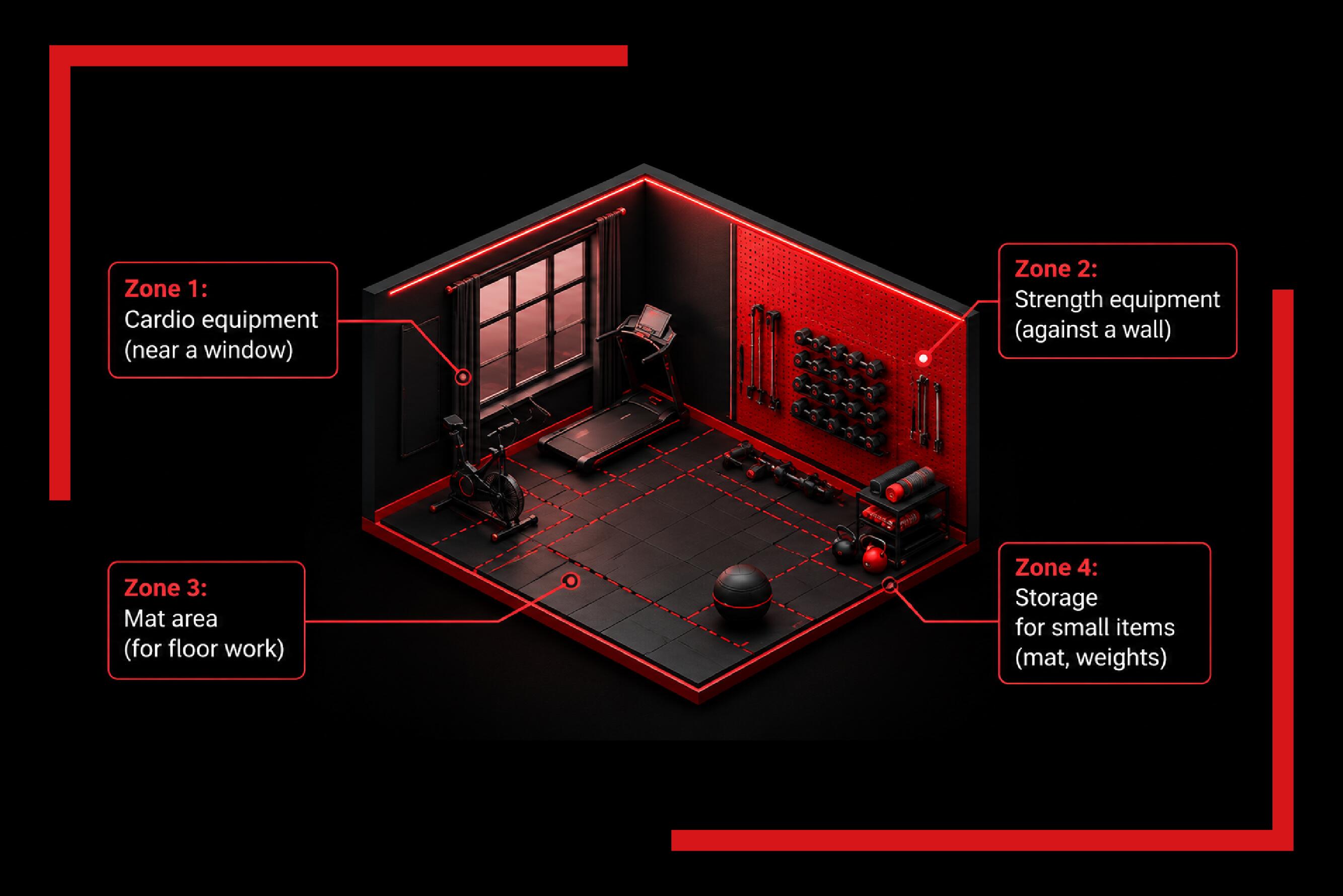
If cardio is your main focus, a treadmill, exercise bike or skipping rope will be more useful than heavy weights. If building strength is the priority, dumbbells, kettlebells and resistance bands will give you the best results. Even if you're looking for a mix of fitness benefits, starting with a few versatile pieces keeps your setup focused rather than cluttered. Our guide on the top mistakes to avoid when buying home gym equipment is worth reading before you spend anything.
Step 2: Choose the Right Space
Finding the right spot for your home gym doesn't mean you need a whole room to yourself. A corner of your living room, a section of your garage or a small spare room can all work perfectly. What matters most is that the area is safe, well-lit and has enough room to move freely during exercise.
Consider investing in protective flooring such as rubber mats or interlocking tiles. They protect your floors from heavy equipment and reduce impact during higher-intensity workouts. Good ventilation is another key factor since fresh air keeps you energised and natural light makes a workout space more inviting. Our guide on why compact equipment is better for home workouts covers how to make the most of a smaller space without sacrificing the range of exercises you can do.
Body Sculpture
"Creating a space to get fit doesn't have to be complicated or expensive. A few well-chosen pieces of equipment and a clear plan are all you really need."
Step 3: Start With Essential Equipment
When it comes to setting up a home gym, versatility matters far more than having every machine available. A few well-chosen items cover most fitness needs without overwhelming your space or budget. Here's a practical breakdown of what's worth prioritising:
| Equipment | Priority | Best For |
|---|---|---|
| Yoga or exercise mat | Essential | Floor exercises, stretching, warm-up and cool-down |
| Resistance bands | Essential | Strength training, mobility, warm-up activation, rehab |
| Dumbbells | Highly recommended | Full-body strength, toning, progressive resistance |
| Kettlebells | Recommended | Cardio and strength combined, coordination, grip strength |
| Exercise bike or treadmill | Recommended for cardio goals | Cardio fitness, weight management, endurance |
| Weight bench | Useful addition | Expanding dumbbell exercises, chest press, form support |
| Foam roller | Optional but worthwhile | Recovery, flexibility, reducing post-workout soreness |
The key is to start small, use what you enjoy and gradually expand your gym as your confidence and fitness develop. Trying to buy everything at once is one of the most common mistakes beginners make. Our guide on 5 home gym essentials for beginners picks out the best starting combination in more detail.
Step 4: Plan Your Workouts
Having the equipment is one thing, but knowing what to do with it is just as important. Beginners benefit most from full-body routines performed two to three times a week. This ensures all major muscle groups are trained evenly and helps build a strong, balanced foundation before specialising.
A typical beginner session might include a mix of strength exercises, a short cardio burst and some stretching. Always start with a warm-up to prepare your body and finish with a cool-down to aid recovery. Our warm-up and cool-down guide covers simple five-minute routines for both. As you progress, you can gradually increase intensity, add new exercises or focus on specific areas to match your evolving goals.
▶ Pro Tip
Write your workouts down before your session rather than deciding on the spot. Knowing exactly what you're going to do before you start removes one of the most common reasons people cut sessions short or skip exercises. Even a simple handwritten plan on your phone or a post-it on the wall is enough to keep you focused.
Step 5: Keep It Organised
A cluttered space makes workouts feel stressful and uninviting. Organising your home gym is just as important as the equipment itself. Use hooks, shelves or storage bins to keep your weights, bands and mats neatly arranged. A tidy, accessible space makes it far easier to start a session quickly and encourages you to use your gym consistently rather than talking yourself out of it because setup feels like a hassle.
Compact and foldable equipment makes organisation much easier. A dumbbell tower keeps weights in one place, resistance bands hang on a door hook and a foldable bench takes seconds to store when not in use. Keeping your most-used items visible rather than packed away also reduces the friction of starting, which matters more than most people realise. Our guide on how to fit mini workouts into your day covers this idea in more detail.
Step 6: Safety First
Even at home, safety should be a top priority. At the gym, equipment is set up correctly and people are around to help if something goes wrong. At home, that responsibility sits entirely with you, which means a few important habits are worth building from the start.
- Learn proper form before increasing weight. Poor technique repeated over time is the most common cause of home workout injuries
- Start lighter than feels necessary and build gradually as movements become controlled and comfortable
- Keep water nearby and take breaks when your body needs them rather than pushing through fatigue
- Ensure your workout space is clear of trip hazards and that all equipment is stable before you begin
- Wear supportive footwear for standing exercises and consider joint supports if you have any existing concerns
Our guide on the do's and don'ts of injury prevention for home workouts covers all of this in detail and is essential reading before you start any new training programme at home.
Step 7: Make It Motivating
Your home gym should feel like somewhere you want to go, not somewhere you feel obligated to. Small environmental details have a bigger effect on motivation than most people expect. Good lighting, a clear and tidy space, a playlist you actually enjoy training to and even a motivational poster or mirror can transform how you feel about the space.
Setting a consistent schedule and tracking your progress, whether through a journal, an app or simply noting your weights and reps each session, creates a visible record of improvement that's genuinely motivating over time. Celebrating small wins matters too. Noticing that a weight feels easier than it did three weeks ago, or that you're recovering faster, keeps your confidence high and your momentum going.
Starting a home gym is about more than just equipment. It's about creating a space that supports your goals, motivates you and fits your lifestyle. With a clear plan, versatile equipment and a little organisation, you can build something that helps you stay consistent, improve your fitness and make exercise a regular and enjoyable part of your life.
Key Takeaways
- Define your fitness goals before buying any equipment. Your goals determine everything else
- Any clear, well-lit, ventilated space can work. You don't need a dedicated room
- Start with versatile essentials: a mat, resistance bands and dumbbells cover most needs
- Plan your workouts in advance rather than deciding on the spot for more consistent results
- A tidy, accessible space and a consistent routine make long-term adherence far more likely
Frequently Asked Questions
How much does it cost to set up a basic home gym?
A genuinely effective starter setup can cost as little as £50 to £100 if you focus on a mat and a set of resistance bands. Adding a pair of dumbbells and a kettlebell brings the total to a few hundred pounds and covers most strength and conditioning needs. A cardio machine like a compact exercise bike or folding treadmill is a larger investment, but not necessary to get started. Our guide on what to look for when buying on a budget helps you prioritise spending wisely.
How much space do I need for a home gym?
Much less than most people assume. A clear area of two metres by two metres is sufficient for mat-based exercises, resistance bands, dumbbells and kettlebells. Larger cardio machines need a bit more room but foldable designs significantly reduce the permanent footprint. The key is choosing equipment proportionate to your available space rather than buying what looks impressive and then struggling to fit it in.
What should I buy first for a home gym?
A mat and a set of resistance bands are the best first purchases for most beginners. They're inexpensive, store away in seconds, cover a huge range of exercises and give you something to use immediately while you decide what else to add. A pair of dumbbells is the logical next step once you have a feel for the kind of training you enjoy.
Can I get a good workout at home without expensive machines?
Absolutely. Bodyweight exercises, resistance bands and dumbbells cover the full spectrum of strength, cardiovascular and flexibility training at a fraction of the cost of machines. Many people build significant fitness, muscle and endurance with nothing more than a mat and a few bands. Machines add variety and convenience, but they're not required to get results.
How do I stay motivated to use my home gym regularly?
Consistency comes from removing friction and making the habit easy to start. Keep your equipment accessible and visible, set a regular schedule rather than deciding day by day, plan your workouts in advance and track your progress so you can see it improving. Our guide on how to build a consistent routine when your schedule is unpredictable covers this in practical detail.
Found this helpful? Share it with someone who has been thinking about setting up a home gym but doesn't know where to start.
Build Your Home Gym With Body Sculpture
Explore the full Body Sculpture range of home fitness equipment. From first-time essentials to cardio machines and strength kit, we have everything you need to build a home gym that actually works for you. Our UK-based team is always here to help.
Shop the Full Range50+ Years Expertise Designing equipment since 1975 | ★★★★★ Trustpilot Rated Excellent by our customers | FREE UK Delivery On all qualifying orders | 24/7 Expert Advice Our team is happy to help |