Not all yoga mats are the same, even when they look similar on a product page. The material a mat is made from affects how it grips, how it feels underfoot, how easy it is to keep clean and how it holds up over time. TPE is one of the newer materials you'll see listed alongside PVC, rubber and PE, so it's worth understanding what sets it apart before you decide.
In This Article
What Is TPE and How Is It Different From Other Yoga Mat Materials?
TPE stands for Thermoplastic Elastomer. It's a synthetic foam material that combines the flexibility of rubber with the durability of plastic, without the chemical content that comes with PVC. Unlike open-cell foams, it doesn't absorb moisture or harbour bacteria, which makes it easier to keep clean. It's also lighter than most mat materials, odourless straight out of the packaging and recyclable at the end of its life.
Did You Know?
TPE yoga mats have a closed-cell foam structure, which means sweat and moisture cannot be absorbed into the material itself. This makes them significantly more hygienic for regular use than open-cell foam mats, which can absorb bacteria and odour over time even with regular wiping.
To understand where TPE sits, it helps to know the alternatives. PVC is the most common yoga mat material. It's affordable and hardwearing, but heavier than TPE and made with chloride and chemical plasticisers. Natural rubber gives excellent grip and is a more sustainable raw material, though it tends to be heavier and often has a noticeable smell when new. PE is the most basic option, used in entry-level mats. It's lightweight and affordable but offers less grip and cushioning than the others. TPE sits in the strongest position across all three key factors: performance, hygiene and environmental impact.
TPE vs PVC: The Key Practical Differences
The practical differences between TPE and PVC yoga mats come down to a few key areas. Here's how they compare across the factors that matter most for home practice:
| Factor | TPE | PVC |
|---|---|---|
| Weight | Lighter. Easier to carry and store | Heavier. Stays put more on slippery floors |
| Grip Performance | Reliable in both dry and damp conditions. Suede surfaces improve grip as you warm up | Good on dry surfaces. Can become slippery under sweaty hands and feet |
| Hygiene | Closed-cell surface. Doesn't absorb sweat or bacteria. Easy to wipe clean | Open-cell foam can absorb moisture and odour with frequent use |
| Odour | Odourless or very mild. Ready to use from day one | Can have a noticeable chemical smell when new. Fades over time |
| Environmental Impact | No chloride or harmful plasticisers. Recyclable at end of life | Contains chloride and chemical plasticisers. Less recyclable |
| Storage | Rolls or folds flat. Compact and portable | Rolls. Heavier to carry between locations |
| Price | Slightly more than entry-level PVC | Most affordable yoga mat material available |
A TPE mat with a suede top layer, like the Body Sculpture 6mm TPE Yoga Mat, performs well in both dry and warmer conditions because the suede texture absorbs surface moisture rather than sliding on it. This makes it a more reliable choice for more active yoga styles or for anyone who tends to practise at a higher intensity.
Does a TPE Yoga Mat Smell?
Smell is one of the most common concerns with yoga mats, particularly for anyone who has ever unrolled a new natural rubber mat and been hit with a strong rubber scent. TPE yoga mats are generally odourless or carry only a very mild smell that dissipates quickly after opening. PVC mats can also have a noticeable chemical smell when new, which tends to fade over time. If smell sensitivity is a factor in your decision, TPE is the lower-risk option of the two and is ready to use from the moment you unbox it.
What Does 6mm Yoga Mat Thickness Mean in Practice?
Yoga mats are typically available in thicknesses ranging from around 3mm at the thinner end to 6mm or more at the thicker end. The right thickness depends on what you're using the mat for and the floor surface underneath.
Body Sculpture
"TPE comes out ahead on the things that affect you most during practice: lighter to carry, doesn't hold onto sweat and no chemical odour when you unroll it."
A 6mm yoga mat provides more cushioning under joints, which is beneficial for floor-based work including Pilates, stretching and yoga poses that involve extended time on knees, hips or elbows. On a hard floor like wood or tiles, 6mm makes a noticeable difference to comfort during a longer session. The trade-off with thicker mats is a slightly reduced sense of floor connection during standing poses, though at 6mm this is rarely significant for home practice or general yoga. For balance-intensive practice where ground feel is important, a thinner mat may be preferable. For most home practitioners doing a mix of yoga, Pilates and stretching, 6mm is a good all-round choice.
Is a TPE Yoga Mat Good for Beginners?
A TPE yoga mat is a strong starting point for beginners, mostly because it doesn't get in the way. The 6mm thickness provides enough cushioning for poses that put pressure on the knees, wrists and spine, which matters more in the early stages when form is still developing. The suede surface grips reliably from the first session without needing to be broken in, aired out or treated before use, unlike some natural rubber mats that take time to reach their best performance.
The light weight also means it's practical to carry to a class or move between rooms without it becoming a consideration. It's easy to wipe down after use, which encourages the consistent practice that actually builds a habit. For anyone still deciding between yoga and Pilates, our guide on why everyone is talking about Pilates and how to try it at home is worth reading before committing to either direction.
How to Clean a TPE Yoga Mat
Cleaning a TPE yoga mat is straightforward. The closed-cell surface doesn't absorb sweat, so a quick wipe after each session is all that's needed for regular maintenance.
▶ Pro Tip
Avoid soaking a TPE mat or putting it in a washing machine. Prolonged water exposure can affect the bond between the suede top layer and the TPE foam base. A damp cloth with mild soap or a dedicated mat spray after each session is all it needs to stay clean and fresh long-term.
- Wipe the surface with a damp cloth and a small amount of mild soap or yoga mat spray after each session
- Leave the mat to air dry fully before folding or rolling it for storage
- Avoid soaking the mat, submerging it in water or putting it in a washing machine
- For the suede surface specifically, wring out the cloth well before wiping so it's damp rather than wet
For a PVC yoga mat the cleaning process is broadly similar. Our full guide on how to clean a yoga mat, including frequency recommendations and what to avoid for different materials, covers everything you need to keep any mat in good condition.
Which Yoga Mat Material Should You Choose?
The choice between TPE and PVC comes down to what matters most to you.
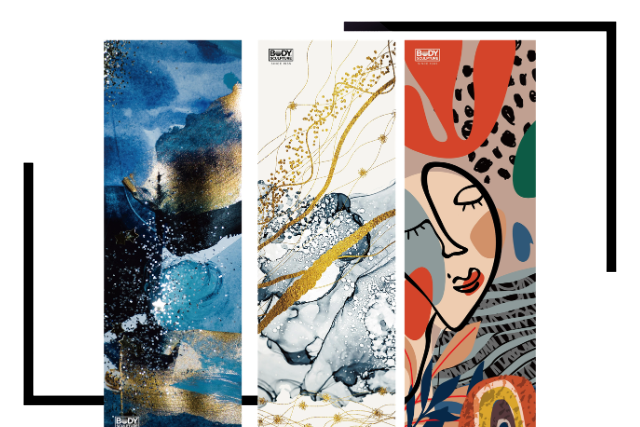
Choose TPE if you want a lighter mat, a closed-cell surface that's easy to keep clean, better environmental credentials and reliable grip during warmer or more active sessions. The Body Sculpture TPE 6mm Yoga Mat has a suede anti-slip surface over a TPE base, so grip stays consistent even once your hands and feet start to warm up, which is where cheaper mats typically let you down. It folds flat for easy storage or travel and comes in Galaxy, Marble and Abstract finishes.
Choose PVC if budget is the primary consideration, you want a heavier mat that stays put on slippery floors, or you'd find printed pose guides on the mat surface useful as a beginner. The PVC Instructional Yoga Mat takes the guesswork out of early sessions by printing poses directly onto the surface. For anyone who wants to build a complete home practice from day one, the 4-in-1 Yoga Set and Yoga Ab Toner Set bundle everything needed in one order. The full yoga and pilates range is worth browsing to see all options side by side.
Choosing the wrong mat material is one of the buying mistakes worth knowing about before you spend, so getting clear on your priorities first saves both money and frustration.
Key Takeaways
- TPE is lighter, odourless and easier to clean than PVC thanks to its closed-cell foam structure
- A suede TPE surface maintains grip as you warm up, making it more reliable than PVC for active or longer sessions
- 6mm thickness provides meaningful joint cushioning on hard floors without affecting stability during standing poses
- TPE is the more environmentally responsible synthetic mat material, with no chloride, harmful plasticisers or significant odour
- PVC remains a strong choice if budget is the priority or printed pose guides would be helpful as a beginner
Frequently Asked Questions
Is a TPE yoga mat better than a PVC yoga mat?
For most home practitioners, yes. TPE is lighter, odourless, easier to keep hygienic and more environmentally responsible than PVC. It also tends to perform more reliably during warmer or more active sessions when a standard PVC surface can become slippery. The only areas where PVC has a clear advantage are price and weight, as heavier mats stay in place more easily on smooth floors.
How long does a TPE yoga mat last?
With regular care, a good quality TPE yoga mat will typically last three to five years of consistent use. The main factors that affect longevity are how often it's used, whether it's exposed to direct sunlight during storage (which can degrade the foam over time) and whether it's cleaned regularly without being over-wetted. Treating it gently and storing it rolled or folded in a cool, dry place extends its life significantly.
Can I use a TPE yoga mat for Pilates and floor work?
Yes, and the 6mm thickness makes it particularly well suited to Pilates and floor-based exercises. The extra cushioning under the knees, hips and elbows makes a noticeable difference during extended floor sessions compared to thinner 3mm or 4mm mats. Our guide on how to start Pilates at home covers the kind of mat work that benefits most from this thickness.
What is the best thickness for a yoga mat?
For most home practitioners doing a mix of yoga, Pilates and stretching on hard floors, 6mm is the most practical all-round thickness. It provides enough cushioning for joint-sensitive work while remaining stable enough for standing poses. Thinner mats of 3 to 4mm suit experienced practitioners who prefer more ground connection and balance challenge. Thicker mats of 8mm or more are better for pure floor work or rehabilitation rather than active yoga practice.
Is a TPE yoga mat eco-friendly?
More so than PVC, yes. TPE contains no chloride or harmful plasticisers and is recyclable at the end of its life. It's still a synthetic material rather than a natural one, so it's not in the same category as mats made from jute or natural cotton, but within the range of synthetic yoga mat materials it's the most environmentally responsible option available at a mainstream price point.
Found this helpful? Share it with someone who's been trying to work out which yoga mat is actually worth buying.
Find Your Perfect Yoga Mat
Browse the full Body Sculpture yoga and Pilates range, including TPE and PVC mats, complete yoga sets and accessories designed for home practice. With over 50 years of expertise, we are here to help you find the right fit.
Shop Yoga and Pilates50+ Years Expertise Designing equipment since 1975 | ★★★★★ Trustpilot Rated Excellent by our customers | FREE UK Delivery On all qualifying orders | 24/7 Expert Advice Our team is always happy to help |