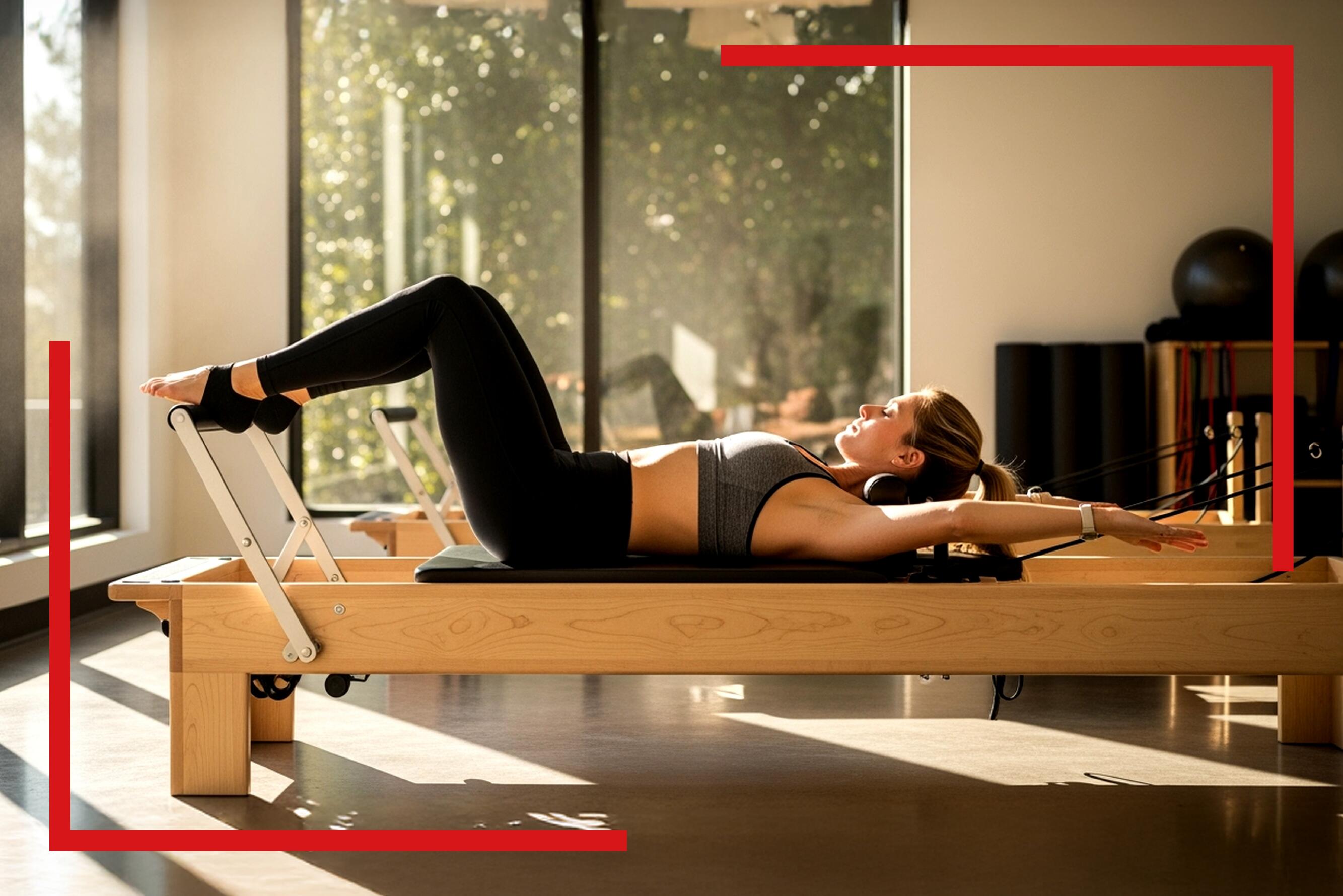
Pilates has become one of the most talked-about fitness practices in recent years, with everyone from elite athletes to office workers incorporating it into their weekly routines. This low-impact, full-body exercise method focuses on strength, flexibility and control, making it ideal for people of all ages and fitness levels.
What makes Pilates especially appealing is its accessibility. While it was once only taught in specialist studios, more people are now enjoying the benefits of Pilates at home, creating a space where they can move at their own pace without the need for expensive memberships or travel time. In this article we explore why Pilates has gained so much attention, the specific benefits it offers and how you can start a simple home routine to experience its advantages for yourself.
In This Article
The Rise of Pilates
Pilates has seen a huge increase in popularity in recent years thanks to its versatility and ability to cater to a wide range of fitness goals. Many people are drawn to it because it focuses on core strength, which is essential for good posture and spinal health. It's also known for its ability to reduce stress, as it encourages mindfulness through slow, controlled movements and steady breathing.
Did You Know?
Pilates was originally developed in the early 20th century by Joseph Pilates as a rehabilitation method. Today it is used by professional athletes, dancers, physiotherapists and millions of everyday exercisers worldwide as both a performance tool and a recovery practice.
Athletes often use Pilates to complement other training methods, preventing injuries and aiding recovery, while beginners love how easily it can be adapted to their personal fitness level. With both physical and mental benefits, it has become a staple in modern wellness routines.
The Key Benefits of Pilates
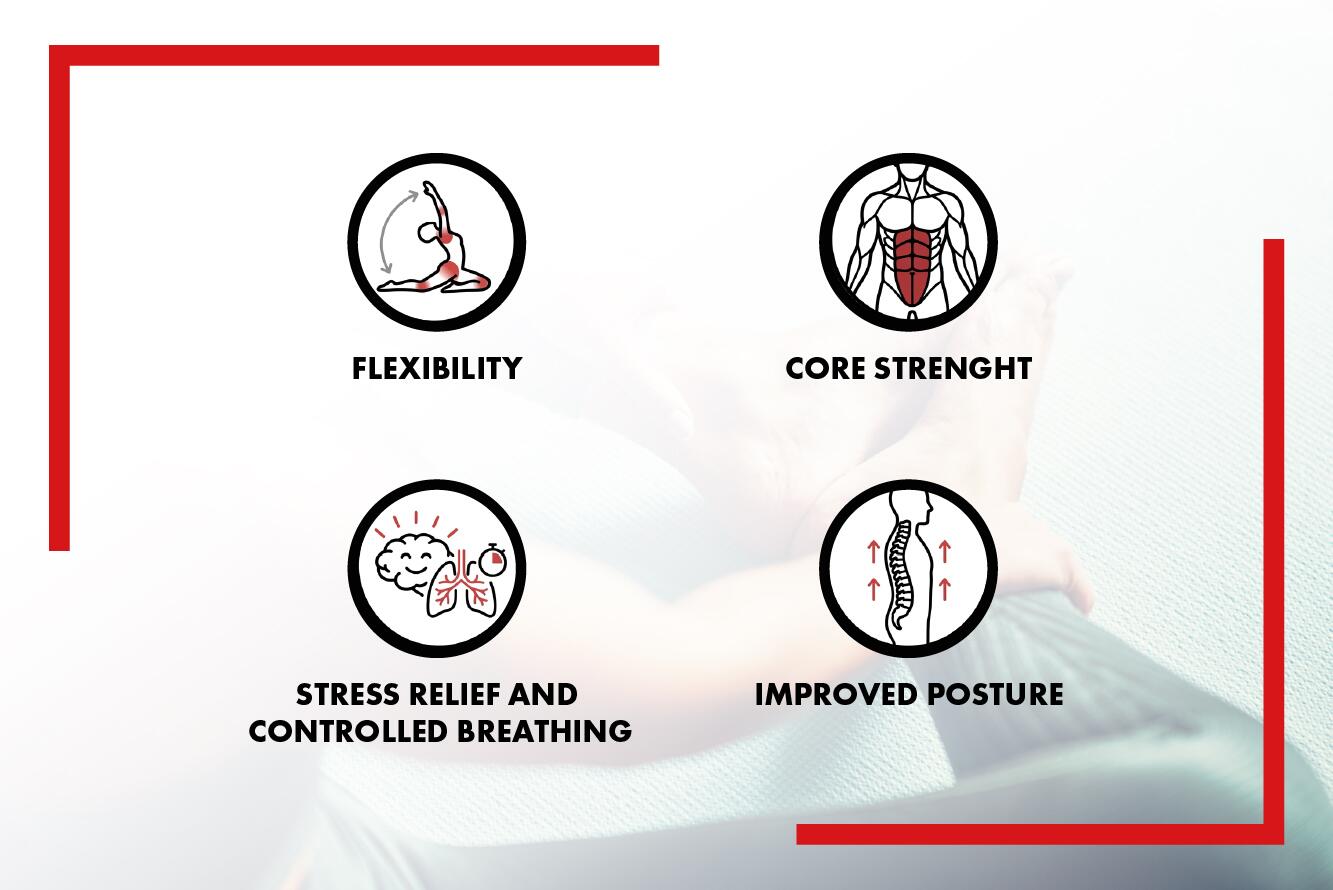
Pilates offers much more than just a workout. Its combination of strength-building and mindful movement has a positive impact on both the body and mind.
Building Core Strength and Stability
One of the main benefits of Pilates is how effectively it targets the deep muscles of the abdomen and lower back, which form the foundation of a strong, stable body. Improving core strength supports better posture, enhances balance and helps prevent or reduce back pain, a common issue for those who sit at a desk all day or do repetitive tasks.
Increasing Flexibility and Mobility
Regular Pilates practice helps lengthen and strengthen muscles, making them more flexible and resilient to everyday strain. This improved mobility reduces the risk of injury and makes everyday movements like bending and lifting easier and more comfortable over time.
Reducing Stress and Boosting Mental Wellbeing
Pilates isn't just about physical strength, it also promotes a calm and focused mind. The controlled breathing techniques used in each session help lower stress levels and improve concentration, leaving you feeling refreshed and energised after every session.
Body Sculpture
"A short Pilates routine of just 15 to 20 minutes can deliver impressive improvements in strength, flexibility and overall wellbeing."
Because Pilates is low impact, it's an excellent choice for those recovering from injury or managing long-term conditions. Movements can be easily modified to suit different abilities, making it a safe and adaptable option for almost everyone.
Why Pilates Works So Well at Home
While many people first try Pilates in a studio, it's just as effective and often more convenient when practised at home. You don't need a large space or costly equipment, making it ideal for busy lifestyles or those who prefer to exercise in a private, comfortable environment.
Practising at home gives you complete control over your routine. You can move at your own pace, choose the exercises that suit you best and fit sessions around your schedule without the pressure of a group class. It's also a great way to save on regular studio fees while still achieving excellent results.
To make the most of home sessions, adding a few simple tools can really elevate your practice. Body Sculpture's Pilates Deluxe Set, which includes a power band, toning balls and a gym ball with pump, provides everything you need to add variety and challenge to your workouts, helping you build strength and confidence as you progress.
Simple Pilates Exercises to Try
A short Pilates routine of just 15 to 20 minutes can deliver impressive improvements in strength, flexibility and overall wellbeing. If you're new to Pilates, start with a variety of moves that target different parts of the body. Focus on slow, mindful movements and steady breathing throughout.
| Exercise | Target Area | How to Do It | Reps |
|---|---|---|---|
| Bridge Pose | Glutes, hamstrings, lower back | Lie on your back, knees bent, feet hip-width apart. Press through heels to lift hips into a straight line from shoulders to knees. Hold, then lower slowly. | 10 to 15 reps |
| Side-Lying Leg Lifts | Outer thighs, glutes, core | Lie on one side, legs stacked and straight. Lift the top leg slowly, keeping core engaged, then lower with control. Repeat each side. | 10 to 15 each side |
| Leg Circles | Hip mobility, core stability | Lie on your back, one leg extended toward the ceiling. Slowly trace a circle with your toes, keeping hips stable. Switch direction, then swap legs. | 5 to 8 circles each direction |
| Seated Spine Twist | Spinal mobility, posture, back | Sit tall, legs extended in front. Cross arms and twist slowly to one side using your core. Return to centre and repeat on the other side. | 8 to 10 each side |
Aim to complete this routine two to three times a week to build strength, flexibility and confidence in your Pilates practice. As you progress, you can increase the number of repetitions or add resistance with resistance bands or toning balls to challenge your muscles further. If you want to combine Pilates with other home training methods, our guide on building muscle with resistance bands works well alongside a Pilates routine.
Creating a Home Pilates Space
A small, well-organised space makes home Pilates more enjoyable and more effective. Choose a quiet area free of clutter where you can move freely. Use a non-slip yoga mat or Pilates mat as your base and add lightweight equipment such as resistance bands to keep your routine varied as your fitness develops. Once your mat is getting regular use, our guide on how do you clean a yoga mat is worth a read to keep it hygienic and grippy session after session.
▶ Pro Tip
Good lighting, ventilation and a consistent space all have a meaningful effect on how much you look forward to your sessions. When your Pilates area feels calm and intentional rather than squeezed in around other things, you are far more likely to use it regularly and actually enjoy it.
Body Sculpture's range of home fitness equipment is designed with compact spaces in mind, making it easier than ever to create your own home workout studio without dedicating an entire room to it.
Avoiding Common Mistakes
When starting Pilates, it's easy to make small mistakes that can slow your progress or lead to discomfort. Being aware of these from the start saves a lot of frustration and helps you get far more from every session.
| Mistake | Why It Matters | What to Do Instead |
|---|---|---|
| Rushing through exercises | Pilates is about precision and control. Speed removes the benefit entirely. | Take your time with each movement. Focus on form and alignment rather than how quickly you finish. |
| Holding your breath | Breath is fundamental to Pilates. Holding it increases tension and reduces effectiveness. | Exhale during effort and inhale as you release. Keep breathing steady throughout. |
| Skipping warm-up and cool-down | Even low-impact movement benefits from preparation and recovery. | Follow our warm-up and cool-down guide before and after each session. |
By paying attention to these areas, you'll get more from your practice and create a safer, more rewarding Pilates routine from the very first session. Pilates has rightfully earned its reputation as one of the most effective practices for building strength, improving flexibility and reducing stress. Whether you're looking to tone your body, support recovery or boost your mental wellbeing, it offers something for everyone. With its adaptability and minimal equipment needs, it's perfectly suited to home practice.
Key Takeaways
- Pilates builds core strength, improves flexibility and supports mental wellbeing in one practice
- It's low impact, easily adaptable and suitable for all fitness levels and ages
- A 15 to 20 minute routine done two to three times a week delivers real, measurable results
- Breath control and slow, controlled movement are more important than speed or repetitions
- A non-slip mat and a resistance band are all you need to get started at home
Frequently Asked Questions
Is Pilates suitable for complete beginners?
Yes, and it's one of the best exercise methods for beginners. The movements are adaptable to any fitness level and the focus on control rather than intensity means you can start slowly and build at your own pace. Beginning with shorter sessions and simpler exercises, like the four covered in this guide, gives you a solid foundation before progressing to more challenging variations.
How long does it take to see results from Pilates?
Most people begin to notice improvements in posture, core awareness and flexibility within three to four weeks of consistent practice. Visible changes in muscle tone and strength typically become apparent after six to eight weeks. Like any form of exercise, the results come from regularity, so two to three sessions per week is the sweet spot for most beginners.
Do I need any equipment to do Pilates at home?
A non-slip mat is the only essential. Many Pilates exercises can be performed with just your bodyweight and a mat. As you progress, adding a resistance band or light toning balls introduces more variety and challenge. Body Sculpture's Pilates accessories range covers everything you need to build your practice at home without a large upfront investment.
Can Pilates help with back pain?
Yes, and it's one of the most commonly cited reasons people start Pilates. By strengthening the deep core muscles that support the spine and improving posture and spinal mobility, Pilates can significantly reduce lower back discomfort, particularly for people who sit for long periods. If you have a specific back condition or recent injury, consult a healthcare professional before starting.
Is Pilates good for weight loss?
Pilates builds lean muscle and improves body composition over time, which supports a healthy metabolism. It's not the highest calorie-burning form of exercise, so it works best for weight management when combined with some cardiovascular training. Pairing Pilates sessions with regular cardio on an exercise bike or cross trainer creates a well-rounded routine that supports both toning and fat loss.
Found this helpful? Share it with someone who has been curious about Pilates but isn't sure where to start.
Start Your Home Pilates Practice
Explore Body Sculpture's yoga and Pilates range, including mats, resistance bands and accessories designed to support your practice at home from day one.
Shop Yoga and Pilates50+ Years Expertise Designing equipment since 1975 | ★★★★★ Trustpilot Rated Excellent by our customers | FREE UK Delivery On all qualifying orders | 24/7 Expert Advice Our team is happy to help |