It's one of those fitness questions that comes up constantly and the confusion is understandable. Pick up a dumbbell at home and it's not immediately obvious whether you're doing something that burns fat, builds muscle, or some combination of both. The answer, as it turns out, depends on how you use them and understanding that makes dumbbell training a significantly more effective tool for whatever your goal happens to be.
In This Article
Do Dumbbells Build Muscle or Burn Fat?
The short answer is that dumbbells can do both and the two outcomes are more connected than most people realise. The goal of your session and how you structure it determines which effect is dominant. Light weights with shorter rest periods and higher repetitions push your heart rate up and increase calorie burn during the session. Heavier weights with more rest between sets and fewer repetitions stimulate the muscle fibres more directly and support strength gains.
Did You Know?
What makes dumbbell training particularly powerful for weight loss is the metabolic side effect of building muscle. More muscle tissue means your body burns more calories at rest, which is a significant long-term advantage for anyone trying to manage their weight sustainably.
A full-body dumbbell training plan takes advantage of both effects simultaneously, which is why it's one of the most efficient home fitness approaches available regardless of whether the goal is fat loss, muscle building or body recomposition.
How Dumbbell Training Burns Calories
A dumbbell session burns calories in two distinct ways. The first is during the session itself. A moderate-intensity dumbbell workout lasting 45 to 60 minutes burns roughly 200 to 400 calories depending on body weight and effort level, comparable to a steady-paced run. The second is after the session ends.
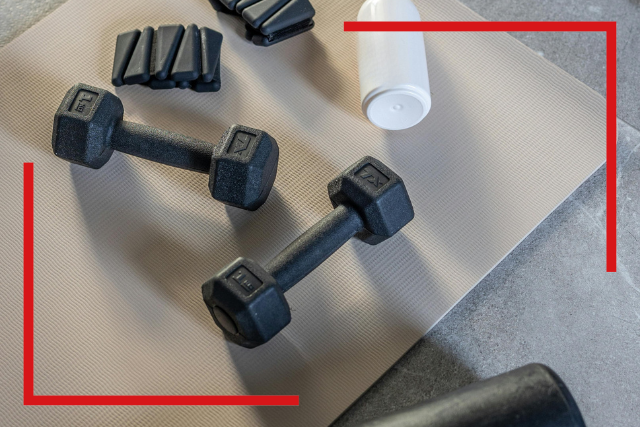
Resistance training creates a phenomenon known as EPOC (excess post-exercise oxygen consumption), where your body continues burning more calories than usual for hours after training as it repairs muscle tissue and returns to its resting state. This afterburn effect is one of the reasons strength training produces better long-term fat loss results than cardio alone in many cases. The Body Sculpture dumbbell range runs from 1.5kg through to adjustable sets of 20kg, covering everything from a beginner's first session through to more advanced strength training progressions.
Will Dumbbell Training Make You Look Bulky?
This concern comes up frequently and the reassuring truth is that building noticeably bulky muscle is considerably harder than it looks. It requires very high training volume, a consistent caloric surplus and years of progressive overload. A typical home dumbbell workout routine, even a committed one, is far more likely to produce a leaner, more defined physique than a bulky one.
Body Sculpture
"Dumbbells are not just a muscle-building tool or just a weight-loss tool. They're both, and the outcome depends almost entirely on how you use them."
What most people describe as "toning" is the combination of building muscle and reducing body fat, which is exactly what a well-structured dumbbell programme produces. The muscle gives the body shape and definition; the reduction in fat makes it visible. These two things work together rather than against each other.
How to Use Dumbbells for Fat Loss
The key variables for fat loss with dumbbells are intensity, rest periods and exercise selection. Keeping rest periods short, between 30 and 60 seconds between sets, keeps the heart rate elevated and increases the total calorie burn of the session. Compound movements that work multiple muscle groups at once recruit more muscle tissue simultaneously and produce a higher metabolic demand than isolation exercises.
▶ Pro Tip
Circuit-style training is one of the most effective formats for fat loss with dumbbells. Moving directly from one exercise to the next with minimal rest keeps the intensity high and produces a similar cardiovascular effect to cardio training, while also building strength. A circuit repeated three to four times with short breaks between rounds makes for a solid 30 to 40 minute fat-burning session.
The Best Dumbbell Exercises for Burning Fat
These five movements cover the whole body and work well together in a circuit format. Each targets large muscle groups, which maximises the metabolic demand of the session and produces the highest calorie burn per exercise.
| Exercise | Primary Muscles | Why It Works for Fat Loss |
|---|---|---|
| Dumbbell Squats | Quads, glutes, hamstrings | One of the highest calorie-burning movements you can do with dumbbells, due to the large muscle groups involved |
| Bent-Over Rows | Back, biceps, core | Keeping the core engaged throughout adds a stability demand that increases total calorie burn |
| Shoulder Press | Shoulders, triceps, core | Done standing adds core demand to an already effective upper body exercise |
| Reverse Lunges | Glutes, quads, balance | Hits the glutes and quads hard with less knee stress than forward lunges, suitable for all levels |
| Dumbbell Deadlifts | Hamstrings, glutes, lower back | One of the best compound movements for overall strength and calorie burn in a single exercise |
Starting each session with a proper warm-up makes a meaningful difference to how the session feels and how well you recover from it. Our guide on the best warm-up and cool-down routines to avoid injury at home removes the guesswork from that part of the session entirely.
How to Use Dumbbells to Build Muscle
Building muscle with dumbbells requires a different approach. The emphasis shifts to heavier weights, fewer repetitions per set, typically six to twelve, and longer rest periods of one to two minutes between sets. This gives the muscle fibres enough time to recover between efforts so each set can be performed with sufficient intensity to stimulate growth.
Progressive overload is the most important concept in muscle building. This means consistently increasing the demand on the muscle over time, whether by adding more weight, more sets or more reps. Without that progression, the body adapts and growth stops. An adjustable dumbbell set is particularly practical for this because it lets you increase the weight in small increments without buying multiple separate pairs. Paired with a weight bench, adjustable dumbbells cover a comprehensive range of pressing, rowing and fly movements that would otherwise require a fully equipped gym.
Can You Lose Fat and Build Muscle at the Same Time?
Yes, and this is one of the more encouraging truths about dumbbell training for beginners. Body recomposition, the process of losing fat and building muscle simultaneously, is most achievable for people new to training or those returning after a significant break. In these situations, the body responds strongly to the new stimulus of resistance training even in a modest calorie deficit.
For more experienced trainers, the same process is possible but slower and requires more precise management of nutrition and training stimulus. The principle is the same either way: consistent strength training with progressive overload, combined with a slight calorie deficit or maintenance, produces body recomposition over time. If you're thinking about how kettlebell training fits into the picture alongside dumbbells, the two complement each other well. Kettlebells favour more dynamic, flowing movements while dumbbells allow finer control of load across a wider range of exercises.
What Weight Dumbbells Should You Start With?
Choosing the right starting weight is one of the most common points of confusion for beginners. Going too light means the session doesn't produce enough stimulus to drive change. Going too heavy increases the risk of poor form and injury. A useful guide is to choose a weight where the last two or three repetitions of a set feel properly challenging but can still be completed with controlled form.
For most people starting out, 3 to 5kg is appropriate for lighter exercises like lateral raises and overhead work. A pair of 6 to 10kg suits squats, rows and pressing movements for those with some baseline strength. Pairing dumbbells with resistance bands adds variety and is particularly useful for warm-up activation work and mobility exercises. Ankle weights are another accessible addition for lower body exercises where adding a dumbbell is awkward. For anyone building their first home training setup, our post on 5 home gym essentials for beginners gives a practical guide to expanding your setup in a logical order.
Dumbbells are not just a muscle-building tool or just a weight-loss tool. They're both, and the outcome depends almost entirely on how you use them. Lighter weights with shorter rest periods and circuit-style training push fat loss. Heavier weights with progressive overload and structured rest drive muscle growth. Used consistently with the right approach, dumbbell training is one of the most versatile and effective ways to change your body composition at home, whether the goal is to lose weight, build strength or do both at once.
Fat Loss vs Muscle Building: How to Set Up Your Dumbbell Sessions
| Variable | Fat Loss Focus | Muscle Building Focus |
|---|---|---|
| Weight | Lighter to moderate | Moderate to heavy |
| Repetitions | Higher (12 to 20 reps) | Lower (6 to 12 reps) |
| Rest Between Sets | Short (30 to 60 seconds) | Longer (60 to 120 seconds) |
| Session Format | Circuit training with minimal rest between exercises | Structured sets with full rest between each |
| Best Exercises | Compound movements covering multiple muscle groups | Mix of compound and isolation exercises |
| Key Principle | Keep heart rate elevated throughout the session | Progressive overload over weeks and months |
Key Takeaways
- Dumbbells can support both fat loss and muscle building depending entirely on how you structure the session
- The afterburn effect from resistance training means calories are burned for hours after the session ends
- Circuit-style training with short rest periods is the most effective dumbbell format for fat loss
- Heavier weights, longer rest periods and progressive overload are the keys to building muscle
- Body recomposition, losing fat and building muscle simultaneously, is very achievable for beginners with consistent dumbbell training
Frequently Asked Questions
Can I lose weight using just dumbbells?
Yes. A well-structured dumbbell programme, particularly one using circuit-style training with compound movements and short rest periods, burns a meaningful number of calories during the session and creates an afterburn effect that continues for hours afterwards. Combined with a moderate calorie deficit, consistent dumbbell training is an effective standalone approach to weight loss. Adding cardio sessions alongside accelerates the process by increasing total weekly calorie expenditure.
How heavy should my dumbbells be for weight loss?
A moderate weight where you can perform 12 to 20 reps with good form but feel genuinely challenged by the final few reps is the sweet spot for fat loss training. Too light and the metabolic demand is insufficient. Too heavy and the rest periods need to be longer, reducing the cardiovascular effect. Starting in the 3 to 8kg range covers most upper body fat loss exercises for beginners, with 6 to 12kg more appropriate for lower body movements.
How long before I see results from dumbbell training?
Most people notice improvements in strength and energy levels within two to three weeks of consistent training. Visible changes in body composition typically become apparent after four to six weeks when training three or more times per week alongside a balanced diet. Fat loss and muscle gain both progress gradually, so tracking non-scale changes like how clothes fit and how sessions feel is often more informative than the scales alone.
Will I get bigger arms from using dumbbells?
It depends on how you train. Light to moderate weights with higher reps and shorter rest periods, used in circuit style, produce a toning and conditioning effect rather than significant size gains. To noticeably increase arm size, you'd need heavier weights, lower reps, longer rest periods and a caloric surplus maintained consistently over months. For most people training at home with standard dumbbell routines, the result is more defined, leaner-looking arms rather than larger ones.
Should I do cardio as well as dumbbell training?
Combining both produces the best overall results for most goals. Dumbbell training builds muscle, improves strength and creates an afterburn effect. Cardio increases weekly calorie expenditure and supports cardiovascular health. The two complement each other well and don't need to be done in the same session. Alternating between dumbbell strength sessions and cardio on a machine like an exercise bike or rowing machine across the week gives you the benefits of both.
Found this helpful? Share it with someone who's been unsure whether dumbbells are the right tool for their goals.
Find the Right Dumbbells for Your Goals
Browse the full Body Sculpture dumbbell range, from fixed-weight sets and towers to adjustable options, designed to support every goal from fat loss to serious strength training.
Shop Dumbbells50+ Years Expertise Designing equipment since 1975 | ★★★★★ Trustpilot Rated Excellent by our customers | FREE UK Delivery On all qualifying orders | 24/7 Expert Advice Our team is always happy to help |