As the seasons shift, so do the demands on your body, your energy levels and your motivation to stay active. What works perfectly in the warmth of summer may feel challenging in the darker months of winter, and a routine that's too rigid can quickly feel unsustainable when the world around you changes. Learning to adapt your fitness habits seasonally isn't about starting from scratch every few months. It's about making smart, intentional adjustments that keep you consistent, healthy and genuinely enjoying your training all year round.

In This Article
Why the Seasons Affect How You Train
It's not just the weather that changes with the seasons. Your body responds to shifts in daylight hours, temperature and even the social rhythms of the year in ways that directly affect your energy, sleep quality, mood and motivation. Understanding this connection removes the guilt from feeling less driven in winter and helps you work with your body's natural cycles rather than against them.
Did You Know?
Reduced daylight during autumn and winter lowers the body's production of serotonin and disrupts melatonin rhythms, which directly affects mood, energy and the motivation to exercise. This is a biological response, not a willpower issue, and adjusting your routine to account for it is a far more effective strategy than simply trying harder.
Most people find they have more energy and enthusiasm for exercise during spring and summer, while autumn and winter require more deliberate effort to maintain the same output. Rather than treating this as a failure of discipline, treating it as a natural rhythm to plan around leads to far more sustainable long-term consistency.
Spring: Rebuilding Momentum
Spring is the natural reset point for many people's fitness routines. Longer days, improving weather and a general sense of renewal make it one of the easiest seasons to rebuild habits that may have slipped during winter. The key is to use this momentum wisely rather than trying to make up for lost time all at once.
Start by reintroducing the sessions you dropped rather than adding new ones. If you've been doing two workouts a week through winter, build back to three before pushing for four. Gradual rebuilding protects you from the overuse injuries that often strike when people go too hard too fast after a quieter period. Spring is also a good time to reassess your equipment and make sure everything you need for the months ahead is in place. Our guide on why compact equipment is better for home workouts covers how to set up a practical space that serves you through every season.
Summer: Capitalising on Energy and Longer Days
Summer brings longer days, higher energy and for many people a stronger motivation to stay active. This is the season to make the most of your training and potentially push beyond what you managed in the months before. The challenge in summer is managing heat and avoiding the temptation to over-train when everything feels possible.
Stay hydrated during every session and be aware that exercising in heat places additional stress on the cardiovascular system, meaning sessions that feel comfortable indoors may feel significantly harder in a warm environment. Timing matters too. Early morning or evening sessions are more effective and more enjoyable than training in the heat of the day.
Body Sculpture
"Adapting your fitness habits seasonally isn't about starting from scratch. It's about making smart adjustments that keep you consistent all year round."
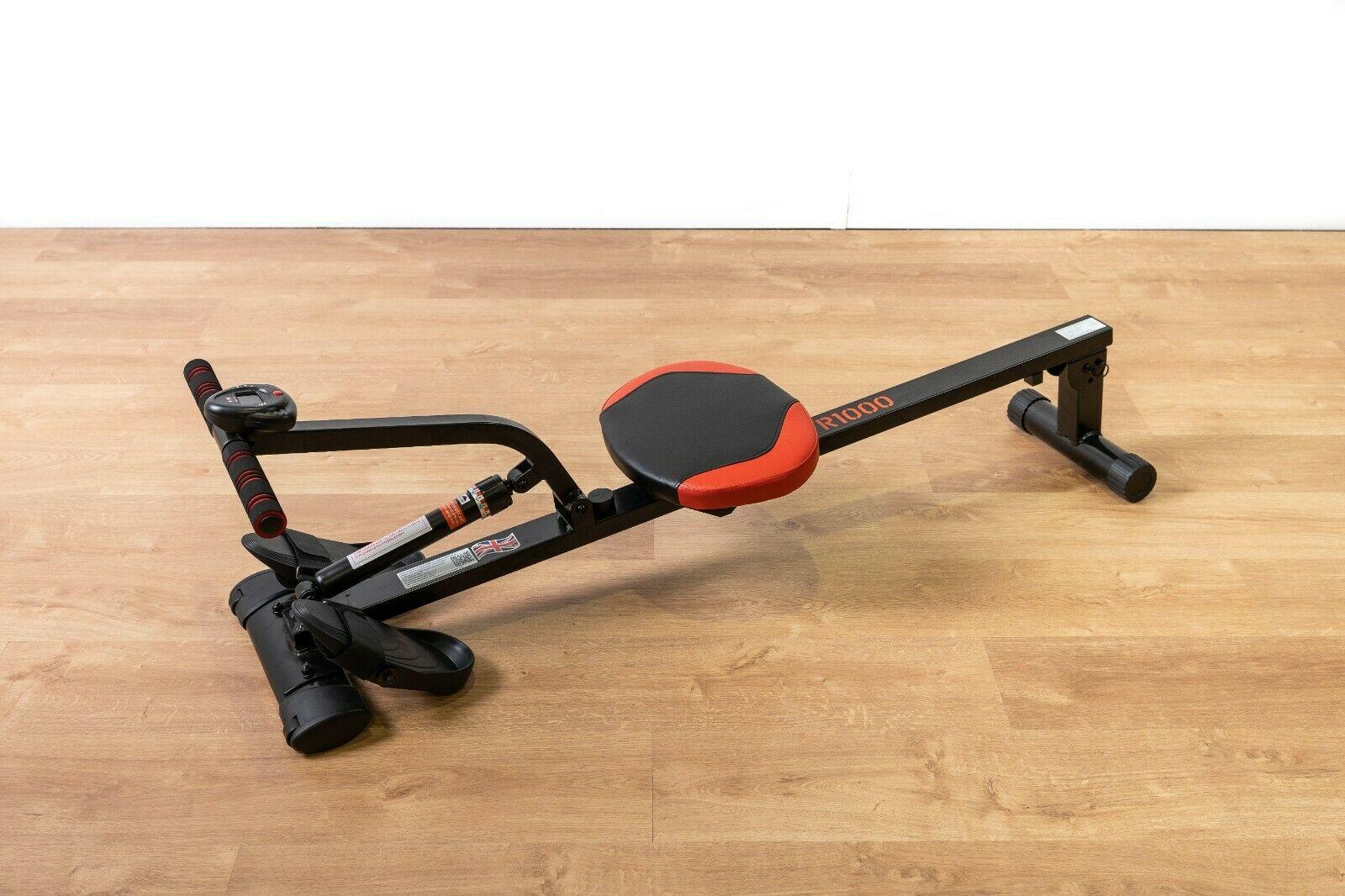
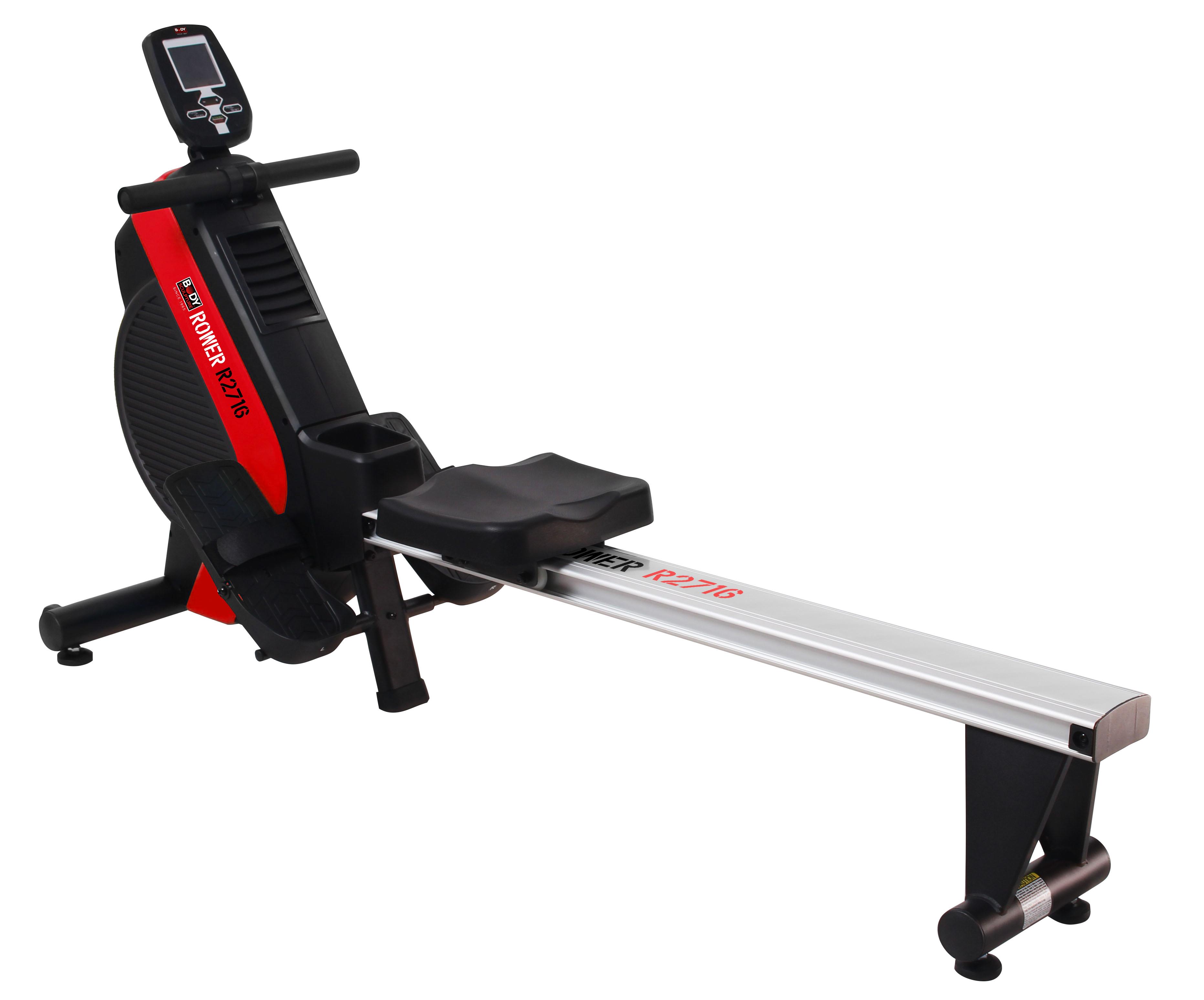
Summer is also an excellent time to use cardio machines at home in a ventilated space. An exercise bike, cross trainer or rowing machine allows you to maintain intensity without the complications of outdoor heat. Many people find their performance peaks in summer and it's a great season to build a strength base using dumbbells or kettlebells that carries them through the cooler months ahead.
Autumn: Transitioning Indoors With Purpose
Autumn is the season most people find hardest to navigate. The energy and long days of summer give way to shorter, cooler days and the pull of staying indoors. Motivation often dips noticeably and it's the time of year when consistent habits are most vulnerable to slipping.
The most effective strategy in autumn is to make the transition to indoor training a deliberate, positive one rather than something that just happens by default. Set up your home workout space well before you need it, ensure your equipment is easily accessible and plan your sessions in advance so there's no friction when it's time to start. Autumn is also a natural opportunity to shift your focus slightly, perhaps placing more emphasis on strength and technique through the winter months while outdoor cardio becomes less appealing.
▶ Pro Tip
Set a specific autumn goal to give your training a new focus as the days shorten. Whether it's increasing your dumbbell press by a set amount, completing a number of rowing sessions or building a Pilates practice, having something to work toward is far more motivating than simply trying to maintain what summer built.
Winter: Maintaining Consistency When Motivation Dips
Winter is the season where fitness habits are most at risk. Cold, dark mornings and evenings remove many of the natural triggers for exercise and reduced daylight genuinely affects both mood and energy at a biological level. The goal in winter isn't to perform at your summer peak. It's simply to maintain enough consistency to make spring's rebuild easier.
Short, achievable sessions matter far more in winter than ambitious ones. A 15-minute resistance band routine or a 20-minute steady ride on an exercise bike done consistently across the week delivers far more value than occasional longer sessions followed by long gaps. Our post on how to fit mini workouts into your day is particularly relevant during the winter months when finding motivation for longer sessions is harder. Our guide on how to build a consistent routine when your schedule is unpredictable also covers practical strategies that apply directly to the challenges winter brings.
Year-Round Principles That Never Change
While the specifics of your routine should shift with the seasons, a few core principles remain constant regardless of the time of year. These are the habits that underpin sustainable fitness through every season.
| Season | Primary Focus | Best Approach | Recommended Equipment |
|---|---|---|---|
| Spring | Rebuilding and reactivating | Gradual return to previous frequency. Reset goals and refresh your routine | Resistance bands, yoga mat |
| Summer | Peak performance and strength building | Maximise energy and longer days. Stay hydrated and train early or late | Dumbbells, kettlebells, exercise bike |
| Autumn | Transitioning indoors, setting new goals | Make the indoor shift deliberate. Set a specific goal to maintain focus | Rowing machine, cross trainer |
| Winter | Maintaining consistency, protecting habits | Short, achievable sessions. Lower the bar to keep the streak going | Resistance bands, stepper, Pilates accessories |
Regardless of the season, always warm up before training, cool down after and give your body adequate rest between sessions. Our guides on the best warm-up and cool-down routines and the do's and don'ts of injury prevention cover these foundations in full and are worth revisiting at the start of each new season.
Why a Home Gym Makes Seasonal Consistency Easier
One of the most practical arguments for home training is how much it reduces the seasonal barriers that derail gym-based routines. When your equipment is at home, there's no dark commute in January, no changing rooms in February and no excuse to skip a session because the weather is miserable. The friction that causes people to abandon their routines in autumn and winter disappears almost entirely when the gym is twenty steps from your kitchen.
A home gym also adapts easily to seasonal training shifts. You can move seamlessly from a strength-focused winter programme with dumbbells and a weight bench to a high-energy summer cardio routine on a rowing machine or treadmill, without changing where you train. The equipment simply gets used differently as your goals and the season shift. If you're still building your setup, our guide on 5 home gym essentials for beginners gives you a clear starting point and our post on how to set up a home gym covers how to make the most of whatever space you have.
The seasons will always change. Your fitness doesn't have to follow them down. With the right approach, the right equipment and a willingness to adapt rather than abandon your routine, you can stay active, healthy and genuinely enjoying your training through spring, summer, autumn and winter.
Key Takeaways
- Lower energy and motivation in winter is a biological response to reduced daylight, not a willpower failure
- Each season calls for a different focus: rebuilding in spring, peak performance in summer, transitioning in autumn and maintaining in winter
- Short, consistent sessions in winter are far more valuable than occasional ambitious ones
- A home gym removes the seasonal barriers that derail gym-based routines, particularly in autumn and winter
- The year-round principles of warming up, cooling down and progressive overload apply regardless of season
Frequently Asked Questions
Is it normal to lose fitness motivation in winter?
Yes, and it's backed by biology. Reduced daylight decreases serotonin production and disrupts sleep patterns, which directly affects mood and motivation. Acknowledging this and planning for it, rather than expecting willpower alone to carry you through, leads to far more consistent outcomes. Shorter, easier sessions that maintain the habit are more effective than ambitious goals that get abandoned in February.
How do I stop losing fitness gains over winter?
Consistency at a lower intensity preserves far more fitness than you might expect. Even two or three short sessions per week of combined cardio and strength work maintains most of the gains built through summer and autumn. The goal in winter is habit preservation, not performance. Everything built over spring and summer will come back quickly once motivation returns.
What's the best home equipment for winter training?
Compact, versatile equipment that's already set up and easy to use without much preparation is best in winter, when the barrier to starting is higher. Resistance bands left visible in the living room, a mini stepper under the desk or a folded exercise bike that unfolds in seconds all lower the friction of starting to almost zero. That accessibility matters more than the equipment itself in winter.
Should I change my diet as well as my training when seasons change?
It's worth being mindful of it. Energy intake naturally tends to increase in winter and activity levels often drop, which can affect body composition over several months. Maintaining a reasonable protein intake to support muscle retention and being aware of portion sizes during less active periods both help. However, large dietary changes alongside training changes can be hard to sustain, so making small, practical adjustments tends to work better than overhauling everything at once.
How do I get back into exercise after a winter break?
Start with less than you think you need and build from there. Returning to the frequency and intensity you left off at before winter typically leads to soreness, frustration or injury. Instead, start with two easy sessions per week for the first couple of weeks, let your body remember the movements and gradually add volume over four to six weeks. Spring rebuilds are most successful when they're patient.
Found this helpful? Share it with someone who always loses their fitness routine when the clocks change.
Stay Active All Year Round
Explore the full Body Sculpture range and find the home fitness equipment that keeps you moving through every season, whatever the weather outside.
Shop the Full Range50+ Years Expertise Designing equipment since 1975 | ★★★★★ Trustpilot Rated Excellent by our customers | FREE UK Delivery On all qualifying orders | 24/7 Expert Advice Our team is happy to help |