Most people trying to lose fat start with cardio and it's a solid instinct. Moving more burns more calories and burning more calories is how the deficit that drives fat loss happens. But not all cardio is equal. The equipment you choose, how hard you push and whether you pair it with any strength work all make a bigger difference to your results than most people expect. Some machines burn significantly more calories than others in the same time. Some suit longer, steadier sessions while others are built for short bursts. Here's a look at the best options, what each one is good at and how to use them effectively.
In This Article
How Does Fat Burning Actually Work?
The body burns fat when it's in a calorie deficit, meaning you're burning more than you're consuming. Cardio is one of the most efficient ways to create that deficit. What matters most for fat loss is the total number of calories you burn over time, not the specific intensity zone or the type of cardio you choose.
Did You Know?
Lower-intensity steady-state cardio can often produce more total fat loss than high-intensity work simply because it's more sustainable. The best intensity level is the one you can maintain consistently across the week, not the one that feels hardest in a single session.
Where intensity does matter is in how sustainable the session is and how quickly you recover. Lower-intensity steady-state cardio can be sustained for longer and is easy to recover from. Higher-intensity work burns more calories per minute but can only be maintained in shorter bursts. Both work. The best approach is the one you'll stick to consistently, which is why choosing equipment that suits your fitness level and daily schedule matters more than most people give it credit for.
Why Weight Training Supports Cardio Work for Fat Loss
This might seem like an odd addition to a cardio equipment guide, but it's worth covering because it changes how you approach your training. Muscle tissue is metabolically active, meaning the more of it you have, the more calories your body burns at rest. Adding weight training to a cardio routine, even just two or three sessions a week with dumbbells or kettlebells, helps preserve and build muscle while the cardio creates the calorie deficit.
Without it, sustained cardio can lead to muscle loss alongside fat loss, which slows your metabolism over time and makes the whole process harder. You don't need to spend hours lifting heavy weights. Short, consistent strength training sessions alongside your cardio routine are enough to protect your muscle mass and keep your metabolism working in your favour.
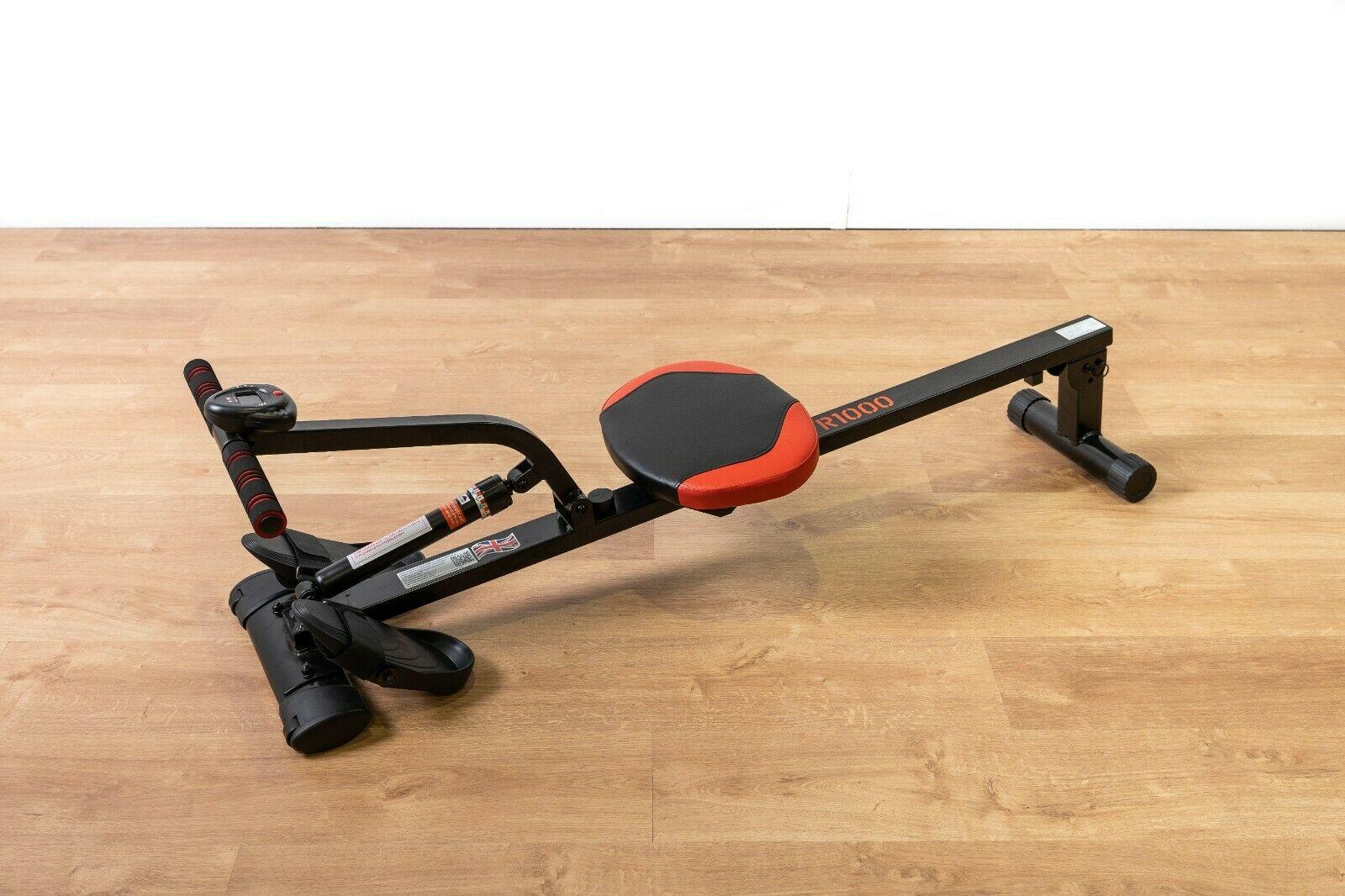
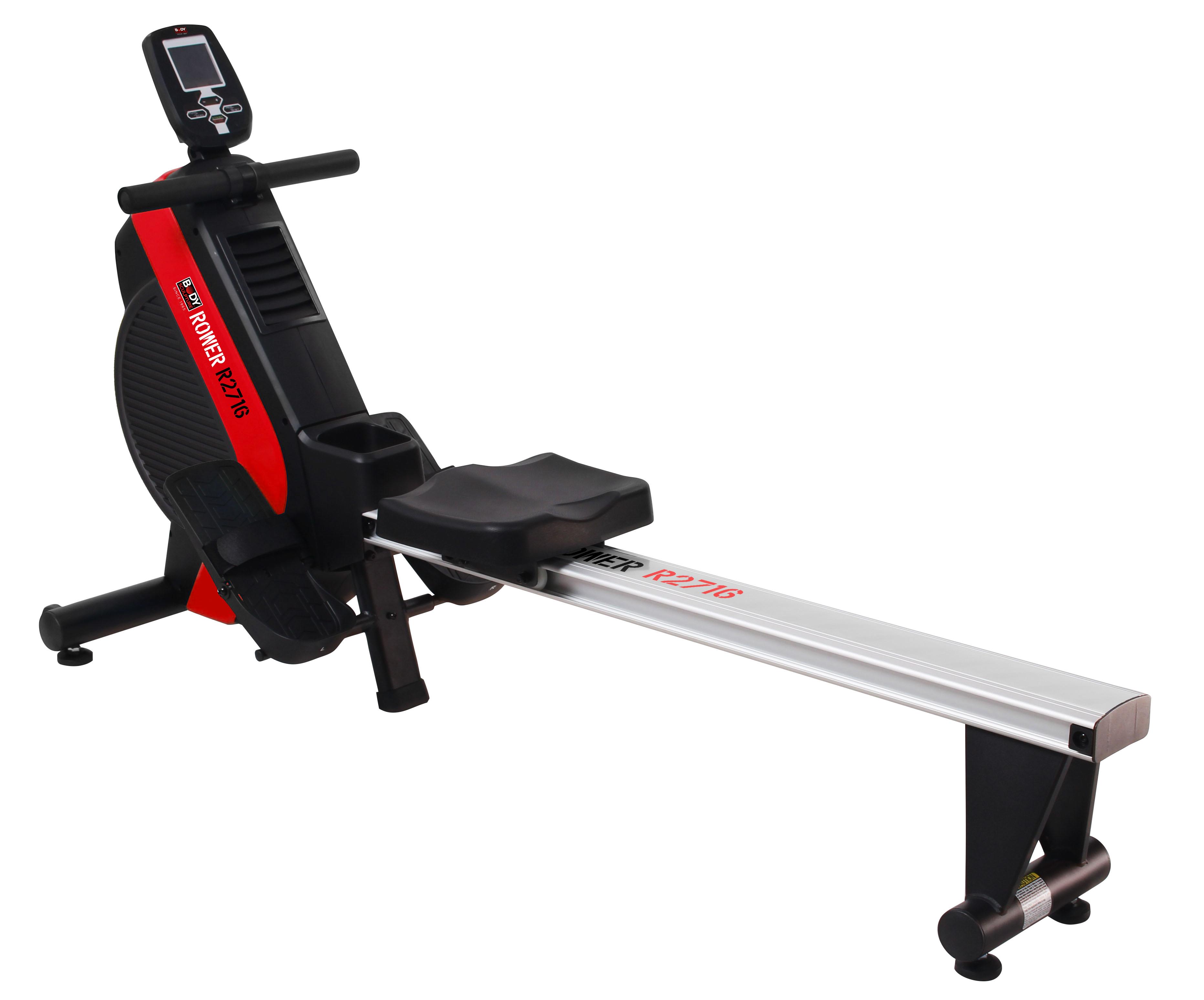
Rowing Machines: The Best All-Round Option for Burning Fat
A rowing machine engages over 80% of the body's muscles in every stroke, combining cardiovascular effort with resistance in a single movement. That combination makes it one of the most time-efficient pieces of cardio equipment available. A 30-minute moderate-intensity row burns roughly 200 to 300 calories depending on body weight and effort level and unlike running, the movement is low impact on the joints throughout.
The full-body engagement of rowing also means you're building muscular endurance alongside cardiovascular fitness, which ties directly back to the metabolism point above. It's one of the few cardio machines that does double duty on fat loss. Our guide on how a rowing machine works and whether it's good for beginners covers the technique and the 7 specific benefits it delivers go well beyond just calorie burn.
Treadmills: High Calorie Burn With Built-In Variety
Running is one of the highest calorie-burning exercises available and a treadmill brings that indoors with a level of control that outdoor running can't match. You can set the speed and incline precisely, build interval programmes and track your effort consistently without weather or terrain getting in the way.
▶ Pro Tip
Incline walking on a treadmill is one of the most underused fat-burning techniques available. Setting the incline to 10 to 15% and walking at a brisk pace keeps the heart rate in an effective fat-burning zone and burns a comparable number of calories to jogging, with significantly less joint stress.
The Body Sculpture treadmill range includes options from entry-level manual models through to motorised smart treadmills with multiple programmes. If you want to understand exactly what consistent treadmill training does to your body over time, our guide on what the treadmill does for your body covers it in detail.
Exercise Bikes: Accessible Fat Loss Without Joint Stress
An exercise bike burns fewer calories per minute than a rowing machine or treadmill, but its low-impact nature makes it far more accessible, especially for beginners or anyone with knee, hip or lower back concerns. The lack of impact means you can sustain longer sessions without the fatigue or soreness that follows running, which often means a higher total calorie burn across the week even if each individual session burns slightly less.
Exercise bikes are also excellent for high-intensity interval training. Short sprints at high resistance followed by recovery periods are highly effective for fat burning and can be completed in 20 to 25 minutes, making them well suited to busy schedules. If space is a consideration, our guide on whether folding exercise bikes are worth it answers that question clearly. The comparison between exercise bikes and treadmills ultimately comes down to personal preference and joint comfort.
Cross Trainers: Full-Body Cardio With No Learning Curve
An elliptical cross trainer offers something between a bike and a treadmill, with a smooth elliptical motion that involves both the upper and lower body simultaneously. Because you're pushing and pulling through the arms while driving through the legs, the calorie burn is higher than a standard bike at the same perceived effort level. Like a bike, it's low impact on the joints throughout.
The cross trainer is one of the easiest cardio machines to pick up without any technique learning curve. You step on, find a comfortable resistance level and maintain a rhythm. That simplicity makes it a reliable choice for sustained moderate-intensity sessions, which is exactly the kind of consistent effort that drives fat loss over time.
Fitness Steppers: Compact and Surprisingly Effective
A fitness stepper is one of the most underestimated pieces of home cardio equipment. The stepping motion targets the glutes, quads, hamstrings and calves continuously, keeping the heart rate elevated with minimal joint stress. Sustained stepping sessions deliver a solid cardiovascular workout and a meaningful calorie burn, particularly when resistance is increased or when arm movements are added.
The biggest practical advantage is size. A stepper takes up almost no floor space, stores easily between sessions and requires no setup time, all of which makes it much more likely to get regular use than larger equipment that needs to be moved around. If you're interested in fitting more movement into a limited space or a busy day, our guide on how to fit mini workouts into your day pairs particularly well with a stepper.
Mini Trampolines: Burn More Than You'd Think
A mini trampoline is one of the more surprising entries on a list of fat-burning equipment, but the numbers back it up. Bouncing on a rebounder elevates the heart rate quickly and keeps it there, burning roughly 150 to 200 calories in 30 minutes of moderate use depending on intensity. The lymphatic system also benefits from the vertical bouncing motion, which standard cardio machines don't replicate.
The other significant advantage is enjoyment. If you struggle to stay motivated with traditional cardio, a trampoline tends to feel considerably less like hard work while delivering genuine cardiovascular results. Our guide on what a rebounder trampoline does for your body covers far more than just calorie burn.
Hula Hooping: A Surprisingly Effective Way to Burn Fat
A weighted hula hoop might not be the first thing that comes to mind for fat-burning cardio, but it's more effective than it looks. A 30-minute hooping session burns between 165 and 200 calories, comparable to a brisk walk at pace, while targeting the core, hips and waist continuously throughout. It's low impact, requires no setup, takes up virtually no space and is easy to combine with other activities, which removes a lot of the mental friction that stops people starting a session in the first place. Our guide on how many calories are burned while hula hooping covers the research in detail.
Body Sculpture
"The right choice comes down to your goals, your joints and what you'll actually stick to. Add a couple of strength sessions alongside and your results will be noticeably better than cardio alone."
Cardio Equipment for Fat Loss: At a Glance
| Equipment | Calories Per 30 Min | Joint Impact | Best For |
|---|---|---|---|
| Rowing Machine | 200 to 300 | Low | All-round fat loss, full-body engagement, strength and cardio combined |
| Treadmill | 250 to 450 | Medium to High | Maximum calorie burn, interval training, incline walking |
| Exercise Bike | 200 to 400 | Low | HIIT, joint-friendly fat loss, longer sustainable sessions |
| Cross Trainer | 250 to 450 | Low | Full-body low-impact cardio, beginners, steady-state sessions |
| Fitness Stepper | 150 to 250 | Low | Compact home cardio, lower body toning, mini workouts |
| Mini Trampoline | 150 to 200 | Very Low | Fun cardio, lymphatic health, maintaining motivation |
| Weighted Hula Hoop | 165 to 200 | Very Low | Core and waist toning, low-friction cardio habit-building |
Figures are approximate ranges for moderate intensity effort. Actual calorie burn varies with body weight and effort level.
Key Takeaways
- Total calorie deficit over time matters more than intensity zone or machine type for fat loss
- Rowing machines are the best all-round option, combining full-body engagement, calorie burn and low impact in one machine
- Treadmills offer the highest calorie burn per session, particularly with running or steep incline walking
- Exercise bikes and cross trainers suit anyone with joint concerns while still delivering meaningful fat loss results
- Adding two or three strength sessions per week alongside any cardio routine produces significantly better fat loss results than cardio alone
Frequently Asked Questions
Which cardio machine burns the most fat?
No single machine burns fat directly. What burns fat is a sustained calorie deficit over time. In terms of which machine creates the largest deficit per session, treadmills and rowing machines tend to top the list due to their high calorie burn rates. However, the machine that burns the most fat for you personally is the one you use consistently, because total weekly calorie expenditure is what drives results. Our full guide on which cardio equipment burns the most calories covers the numbers clearly.
How long should I do cardio to burn fat?
The NHS recommends at least 150 minutes of moderate-intensity cardio per week for general health. For fat loss, most people benefit from 200 to 300 minutes per week across three to five sessions. Shorter sessions of 20 to 30 minutes done more frequently will produce better results than long sessions done once or twice a week. Consistency across the week always outperforms single long efforts.
Is it better to do cardio before or after weight training?
For fat loss, the order matters less than doing both. If you're doing both in the same session, strength training first is generally recommended so you can lift with full energy and technique. Doing cardio first can leave your muscles fatigued for the strength work that follows. Alternatively, separating the two into different sessions entirely removes the question completely and tends to produce the best overall results.
What cardio equipment is best for beginners?
Exercise bikes and cross trainers are the most beginner-friendly cardio machines because they're low impact, require no technique learning curve and can be started at very low intensity. Rowing machines are also excellent for beginners once basic technique is learned. Steppers and rebounders are good low-barrier options that require minimal space and no setup time, making them easy to use even on low-motivation days.
Can I lose fat with just cardio and no diet changes?
In theory, yes, if the cardio creates a sufficient calorie deficit. In practice, most people find that cardio alone produces slower results because the body adapts to the increased activity and appetite can increase alongside it. Combining cardio with modest dietary awareness, such as focusing on protein intake and avoiding significant calorie overshoots, consistently produces better and faster fat loss results than cardio alone.
Found this helpful? Share it with someone who is trying to decide which home cardio machine will give them the best results.
Find Your Perfect Fat-Burning Machine
Browse the full Body Sculpture cardio range to find the right machine for your goals, your space and your budget. With over 50 years of expertise, we are here to help you get started.
Shop Cardio Equipment50+ Years Expertise Designing equipment since 1975 | ★★★★★ Trustpilot Rated Excellent by our customers | FREE UK Delivery On all qualifying orders | 24/7 Expert Advice Our team is always happy to help |