Training at home is one of the most convenient ways to stay fit, but convenience alone doesn't guarantee results. A lot of people put in consistent effort and still find themselves stuck, doing the same sessions week after week without much changing. That usually comes down to a handful of fixable habits rather than anything more complicated. The tips below cover the most common places where home workouts fall short and what to do about each one.
In This Article
1. Set a Specific Goal Before You Start
The difference between "I want to get fitter" and "I want to be able to row 3,000 metres without stopping in eight weeks" is enormous in terms of what it does to how you train. Vague intent produces vague results. A specific goal shapes every session, tells you whether you're making progress and gives you something to work towards when motivation dips.
It doesn't need to be complex. Losing a set amount of weight, completing a certain number of press-ups, or lifting a heavier dumbbell by the end of the month all work perfectly well as anchors for an effective home training plan. Our guide on how a rowing machine works and whether it's good for beginners is a good example of how having a specific target changes the kind of training you do.
2. Warm Up Every Time, Not Just When You Feel Like It
Skipping the warm-up is the most common shortcut in home exercise and it consistently makes sessions less effective even when it doesn't lead to injury. Five to ten minutes of light movement raises your core temperature, increases blood flow to the muscles and prepares your joints for the demands of the session. The quality of the work you do in the main part of the workout goes up noticeably when your body is properly ready for it.
Did You Know?
Cold muscles are less responsive, less coordinated and significantly more prone to straining than warmed-up ones. A five-minute warm-up doesn't just reduce injury risk; it actively improves the quality of every rep you do in the session that follows.
Warm-up habits and injury prevention matter more in home training than most people give them credit for. Our guide on the best warm-up and cool-down routines to avoid injury at home and our post on the do's and don'ts of injury prevention both cover this in practical detail.
3. Follow a Structured Programme Instead of Random Sessions
Doing whatever you feel like each day is better than nothing, but it's considerably less effective than following a plan with a clear structure. A good programme tells you what to do on each day of the week, how many sets and reps to complete and how to progress from one session to the next. Without that structure, most people end up repeating what they enjoy, avoiding what they find hard and wondering why progress has slowed.
You don't need a complicated plan. A simple three-day split covering cardio, upper body and lower body, done consistently over several weeks, will produce better results than six random sessions of varying intensity with no thread between them. Fitting sessions around a busy week is one of the most common reasons people fall off a plan and staying consistent when your schedule isn't predictable is a challenge with practical solutions.
4. Build Progressive Overload Into Every Session
Progressive overload is the principle that underpins all meaningful fitness progress. It means the training demand needs to increase over time for the body to keep adapting. If you're doing the same session this week as you were six weeks ago, the likelihood is that progress has slowed or stalled, because your body has adapted to that level of effort and no longer needs to change to cope with it.
▶ Pro Tip
You don't need to increase the weight every session to achieve progressive overload. Adding one or two reps, reducing rest time by 10 seconds, or slowing the eccentric phase of a movement all count. Small, consistent increments compound into significant results over months of training.
Resistance bands are a practical tool for progressive overload since they come in multiple resistance levels, making it straightforward to increase the challenge without needing a full set of new equipment. Dumbbells work the same way, with Body Sculpture's range covering a broad spread of weights to support gradual, controlled progression.
5. Match Your Equipment to Your Goals
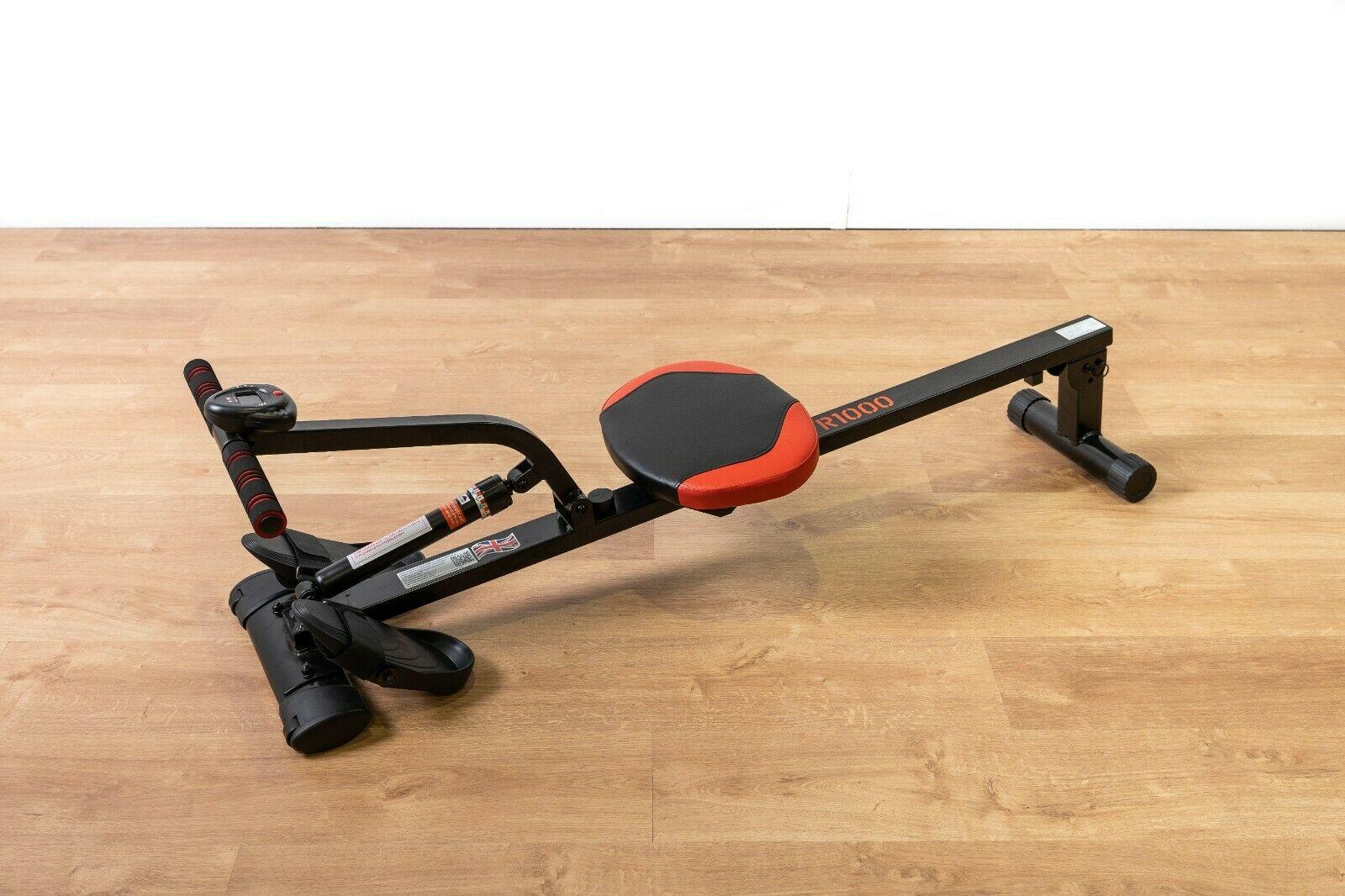
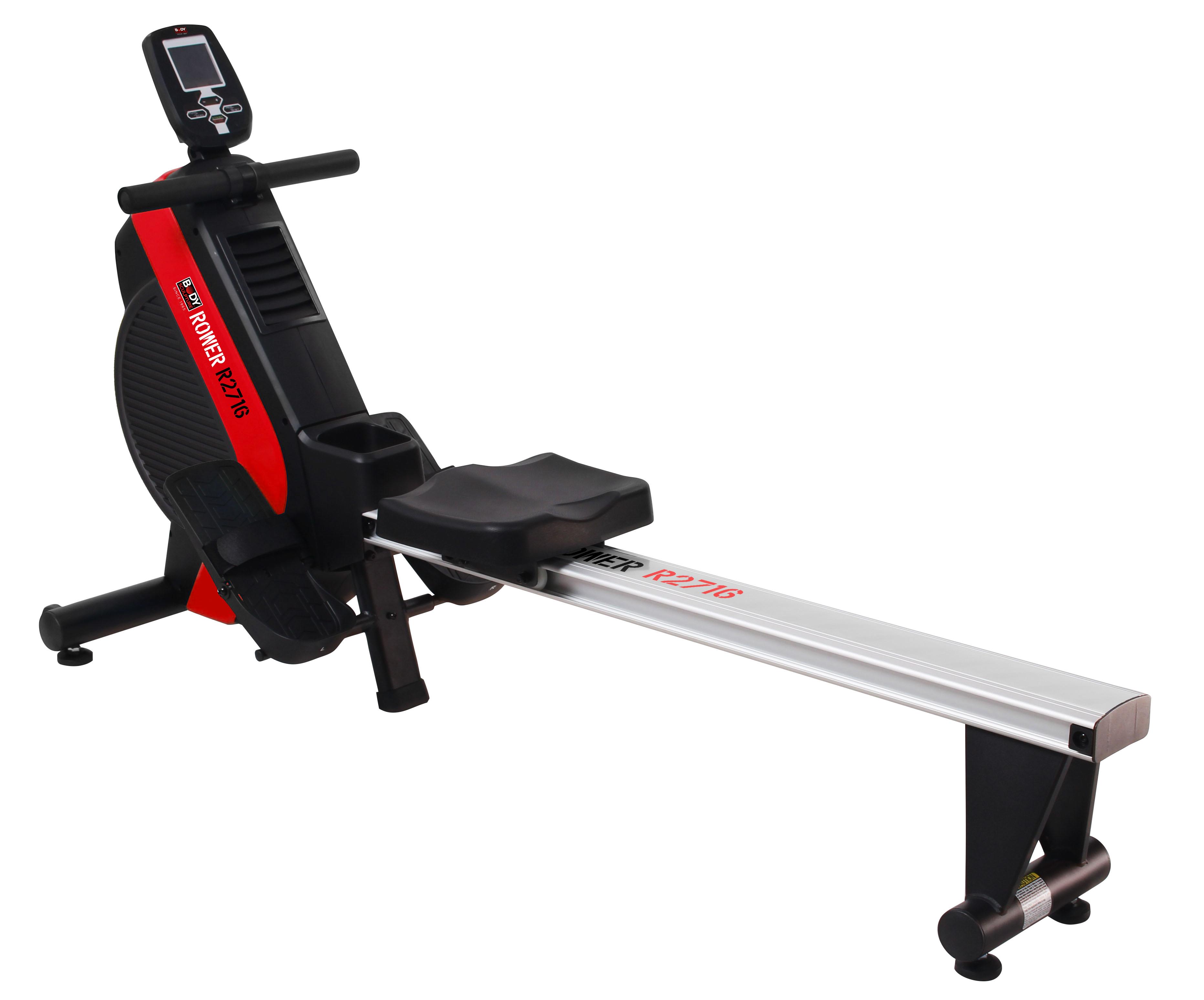
Using the wrong equipment for your goals makes everything harder than it needs to be. If your primary aim is improving cardiovascular fitness, the most valuable addition to your home gym is a cardio machine you'll use consistently, whether that's an exercise bike, a rowing machine or a stepper. If strength and toning are the focus, a set of dumbbells, kettlebells or resistance bands will serve you better.
Knowing which equipment matches your specific goals avoids wasting money on something that sits unused. Our guide on which cardio equipment burns the most calories helps make the choice clearer if burning calories is your main goal, and our post on the top mistakes to avoid when buying home gym equipment is worth reading before you commit to anything.
6. Short Workouts Are Enough If the Effort Is There
One of the most persistent myths about working out at home is that sessions need to be long to be worthwhile. They don't. A focused twenty to thirty minute session with appropriate intensity will produce better results than an unfocused hour where effort dips in and out. This matters for scheduling, because most people can find thirty minutes far more reliably than they can find an hour.
A short session done consistently five days a week is more valuable than a long session done twice. Our post on the rise of short workouts and why they actually work is worth a read if you need a mindset shift here, and our guide on how to fit mini workouts into your day has practical ideas for making shorter sessions the default.
7. Cool Down Properly After Every Session
The cool down gets cut short far more often than the warm-up, usually because the session feels done once the last rep is finished. Stopping suddenly after sustained effort leaves your heart rate elevated, blood pooling in the working muscles and your body without the gradual return to a resting state it needs. A proper cool down of five to ten minutes, combining light movement with targeted stretching, helps clear metabolic waste from the muscles, reduces next-day soreness and begins the recovery process.
A good exercise mat makes floor-based stretching considerably more comfortable and gives you a dedicated cool-down space that takes seconds to lay out. If you're dealing with joint sensitivity or easing back into exercise after time off, our guide on gentle resistance band exercises for injury recovery at home is a practical place to start.
8. Write Down What You Do Each Session
Tracking workouts is one of the simplest changes available and one of the least used. A basic written record of what exercises you did, how many reps and at what resistance gives you the information you need to make deliberate improvements next time. Without it, it's surprisingly easy to believe you're progressing when you're actually repeating the same session each week.
The record doesn't need to be elaborate. A notebook, a phone note, or even a whiteboard in your home gym space works perfectly well. Many cardio machines also have built-in computers that log distance, time, calories and resistance automatically, which takes part of the admin out of it entirely. The value is in having a reference point that tells you clearly whether today's session was harder than last week's.
9. Change Your Routine Before Your Body Stops Responding
The human body is highly adaptable. Expose it to the same stimulus consistently and it gets progressively more efficient at handling that demand, which sounds positive but in practice means the same workout produces diminishing returns over time. Varying your routine doesn't mean completely overhauling it every week. Changing the exercises, switching the order, adjusting the number of sets or swapping between cardio and strength-focused sessions introduces enough variety to keep the body responding without disrupting the consistency that produces results.
Adding ankle weights to bodyweight movements is a simple way to increase the demand without changing the exercise itself, while a kettlebell introduces a different movement pattern to dumbbell-based training that challenges coordination and stability alongside strength. Our guide on 10 common home workout mistakes and how to fix them gets into the specifics of what might be holding your progress back.
Body Sculpture
"Effort applied intelligently produces far better results than effort applied randomly. These ten habits are the difference between going through the motions and genuinely moving forward."
10. Set Up Your Space So Working Out Feels Easy
The environment you train in has a real effect on how likely you are to train consistently. A dedicated space, even a small one, that's tidy and set up for use makes it far more likely you'll follow through on a session than having to move furniture or dig equipment out of storage every time.
Compact, foldable equipment plays a significant role here. A foldable rowing machine, a compact exercise bike or a set of resistance bands and dumbbells stored neatly on a shelf remove the friction between deciding to train and starting. Our guide on why compact equipment works better for home workouts makes the case for this clearly, and our simple guide to setting up a beginner home gym is a good starting point if you're building your space from scratch.
All 10 Tips at a Glance
| # | Tip | Quick Fix |
|---|---|---|
| 1 | Set a specific goal | Write a measurable, time-bound target before your next session |
| 2 | Warm up every time | 5 minutes of light movement before every session, no exceptions |
| 3 | Follow a structured programme | Plan your next four weeks with specific sessions on specific days |
| 4 | Build progressive overload | Add one rep or reduce rest by 10 seconds compared to last session |
| 5 | Match equipment to your goals | Identify your primary goal and check your kit actually supports it |
| 6 | Embrace shorter sessions | Schedule 25-minute focused sessions rather than waiting for a spare hour |
| 7 | Cool down properly | 5 minutes of stretching after every session on a mat |
| 8 | Track every session | Write down exercises, sets, reps and resistance after each workout |
| 9 | Vary your routine regularly | Change at least one element of your routine every three to four weeks |
| 10 | Set up a friction-free space | Keep equipment visible and accessible so starting requires no effort |
Key Takeaways
- A specific goal changes how you train and whether you make progress. Vague intent produces vague results
- Warming up and cooling down are not optional extras. They directly affect session quality and recovery
- Progressive overload is the single most important principle for continued improvement
- Short, focused sessions done consistently outperform long, unfocused ones done occasionally
- A friction-free, accessible training space is one of the most underrated drivers of long-term consistency
Frequently Asked Questions
Why am I not seeing results from my home workouts?
The most common reasons are lack of progressive overload, inconsistent training frequency, sessions that are too similar from week to week and insufficient structure. If you've been doing the same workout for more than four weeks without increasing the challenge in any measurable way, your body has adapted and progress has likely stalled. Our guide on 10 common home workout mistakes covers the specific habits that hold most people back.
How many times a week should I work out at home to see results?
Three to four sessions per week is a strong starting target for most people. This provides enough stimulus for the body to adapt and improve while allowing adequate recovery between sessions. Consistency over weeks and months matters more than frequency in any given week. Three reliable sessions per week will always outperform an inconsistent pattern of more.
How do I stop getting bored with home workouts?
Vary at least one element of your routine every three to four weeks. That might mean changing the exercises, switching the order, trying a new piece of equipment or adjusting the rep ranges. Having a specific goal also keeps sessions purposeful rather than feeling repetitive. Tracking your progress gives you something to compare each session against, which adds a layer of engagement that random sessions don't have.
How do I make a home workout feel harder without buying new equipment?
Reduce rest time between sets, slow down the eccentric phase of each movement, increase the number of sets or reps, add pauses at the hardest point of the movement, or try more challenging variations of exercises you already do. All of these increase the training demand without requiring anything new. Tempo manipulation and rest reduction are often the most underused tools available to home trainers.
What's the most important change I can make to improve my home workouts?
Track them. Without a record of what you did last session, it's nearly impossible to make deliberate improvements this session. A notebook or phone note covering exercises, sets, reps and resistance takes two minutes after each workout and gives you the information you need to make every subsequent session more effective than the last.
Found this helpful? Share it with someone who has been putting in the effort at home but not seeing the results they deserve.
Build a Smarter Home Gym
Browse the full Body Sculpture range to find the right equipment for your goals, whether you're building a home gym from scratch or adding to what you already have. With over 50 years of expertise, we are here to help.
Shop the Full Range50+ Years Expertise Designing equipment since 1975 | ★★★★★ Trustpilot Rated Excellent by our customers | FREE UK Delivery On all qualifying orders | 24/7 Expert Advice Our team is always happy to help |